
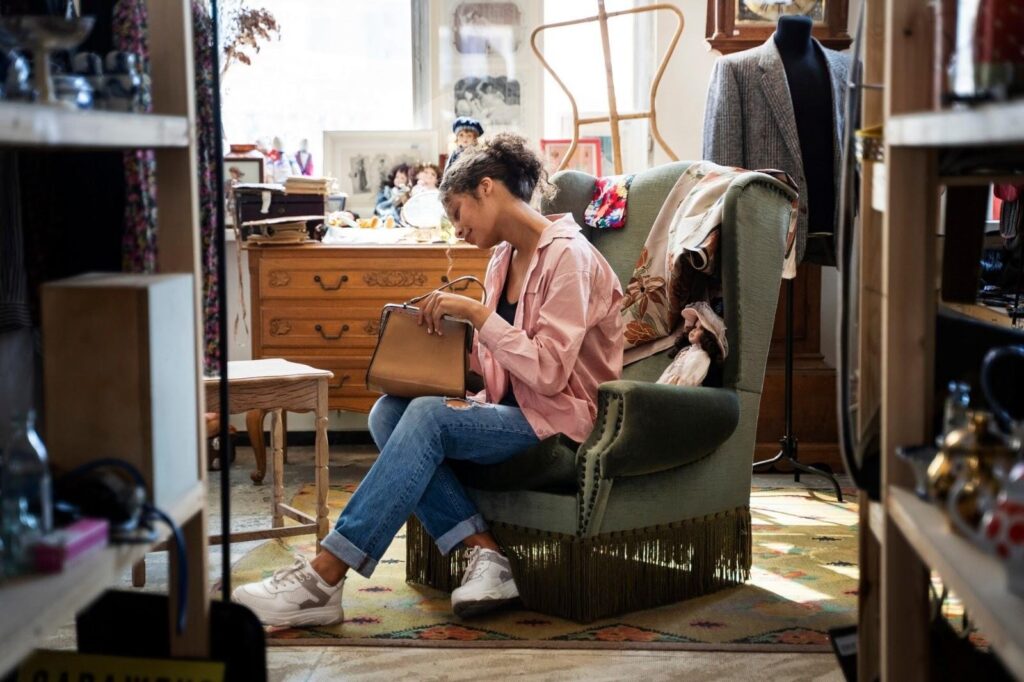
Ikea is preparing to launch a dedicated online secondhand marketplace in the UK within the next few months, placing itself in direct competition with eBay, Vinted, and Facebook Marketplace, according to The Guardian. The move signals a significant escalation of the Swedish furniture giant’s existing resale activity, and the stakes for everyday shoppers are considerable.
Trust, Usability, and the Platform Credibility Question
For Martynas Norvilas, a sports journalist who covers European basketball, the consumer logic at the centre of the Ikea story is immediately familiar from a different domain entirely. The core question shoppers are solving for, he argues, is not whether secondhand furniture is a good idea, but whether the platform offering it can be trusted. Ikea’s model compounds that question: the marketplace will be restricted to Ikea Family loyalty scheme members, enabling peer-to-peer buying and selling of pre-owned Ikea items locally. That membership gate may build community confidence, but it also raises the bar for first impressions. Shoppers will weigh Ikea’s reputation against well-established rivals before committing.
Norvilas observes that the same evaluation runs through entirely different categories of digital service.
“Platform credibility is the real variable people are solving for. They ask the same questions every time — how reliable is this, is it easy to use, does it have a good name — whether they are choosing a resale site for a secondhand sofa or deciding where to watch a EuroLeague live stream online.”
That instinct, Norvilas notes, is one he recognises constantly from his vantage in European basketball coverage, where fans apply exactly those criteria of reliability, usability, and reputation before settling on a platform.
What the Platform Offers and What It Costs
The UK launch builds on trials Ikea has already run in Spain and Norway, with the Spanish platform providing the clearest window into how the system works in practice. Sellers on the Spanish site receive pre-filled product descriptions and Ikea-suggested prices, removing much of the friction that puts casual resellers off listing items in the first place. Those who choose to accept an Ikea gift card as payment rather than cash earn 15 percent extra on their final sale price, an incentive that nudges transactions back into the Ikea retail ecosystem.
On the buying side, a 5 percent protection fee covers costs related to the sale, in a model explicitly similar to Vinted’s approach. A Poäng armchair currently listed on the Spanish site sits at €56, roughly half the retail price of a new version. That gap illustrates precisely where the appeal lies for budget-conscious shoppers looking to furnish a home without paying full price.
Ikea has been buying and selling used items in some UK physical stores for five years, so the infrastructure and operational experience are already in place. The online platform extends that reach considerably, allowing peer-to-peer trades between members across the country rather than limiting transactions to whoever happens to walk through a store’s returns section.
An Ikea spokesperson framed the intent clearly in a statement to The Guardian.
“Our goal is to make passing on beloved Ikea pieces as seamless as possible. We’re creating a trusted and vibrant space to make it quick and easy for our Ikea Family members to trade directly with one another.”
The Crowded Secondhand Market Ikea Is Entering
The landscape Ikea is stepping into has shifted rapidly. Vinted, which launched as a clothing resale platform, is now expanding into homewares and electronics, putting it on a converging path with exactly the category Ikea intends to occupy. The competitive pressure from that direction alone would be significant.
The wider market has also seen notable consolidation. UK fashion seller Depop acquired US secondhand site eBay for $1.2 billion, a deal that signals how seriously major players are treating the resale category. Preloved items now account for about a tenth of global fashion sales, a share that reflects years of gradual normalisation rather than a sudden trend.
Furniture and homewares are following a similar trajectory, if slightly behind. Ikea’s entry into peer-to-peer resale is less a gamble on an emerging market than a calculated move into one that has already proven its scale.
Sustainability Goals and the Broader Consequences
Behind the commercial rationale sits a longer-term commitment. Ikea has pledged to become climate positive by 2030, with an accompanying goal of making all its products from renewable, recyclable, and recycled materials. A secondhand platform fits that ambition directly, extending the useful life of existing products and reducing the volume of furniture heading to landfill. The Spanish and Norwegian trials were, in that context, as much about testing sustainability operations as proving commercial viability.
The mainstream shift toward resale has not been cost-free for every part of the sector. Charity retailers including the British Heart Foundation have closed stores amid rising costs, with pressure from the growing commercial secondhand market cited as a contributing factor. As platforms like Ikea’s absorb an increasing share of the preloved transaction volume, the charitable sector’s traditional role as a resale intermediary is being squeezed.
That tension sits in the background of Ikea’s UK launch. The platform offers genuine savings for shoppers and a credible route for members to recoup value from furniture they no longer need. Its 2030 climate deadline gives the initiative a structural purpose that extends well beyond a single product launch, framing the UK marketplace not as a standalone experiment but as one component of a broader shift in how the company expects its products to be bought, used, and eventually passed on.