Here on Earth, it’s easy to get caught up in the constantly unfolding micro-dramas of daily life and lose sight of just how lucky we are to be alive at all. Most nights I find myself looking up and finding a brief moment of consolation in the constellations.
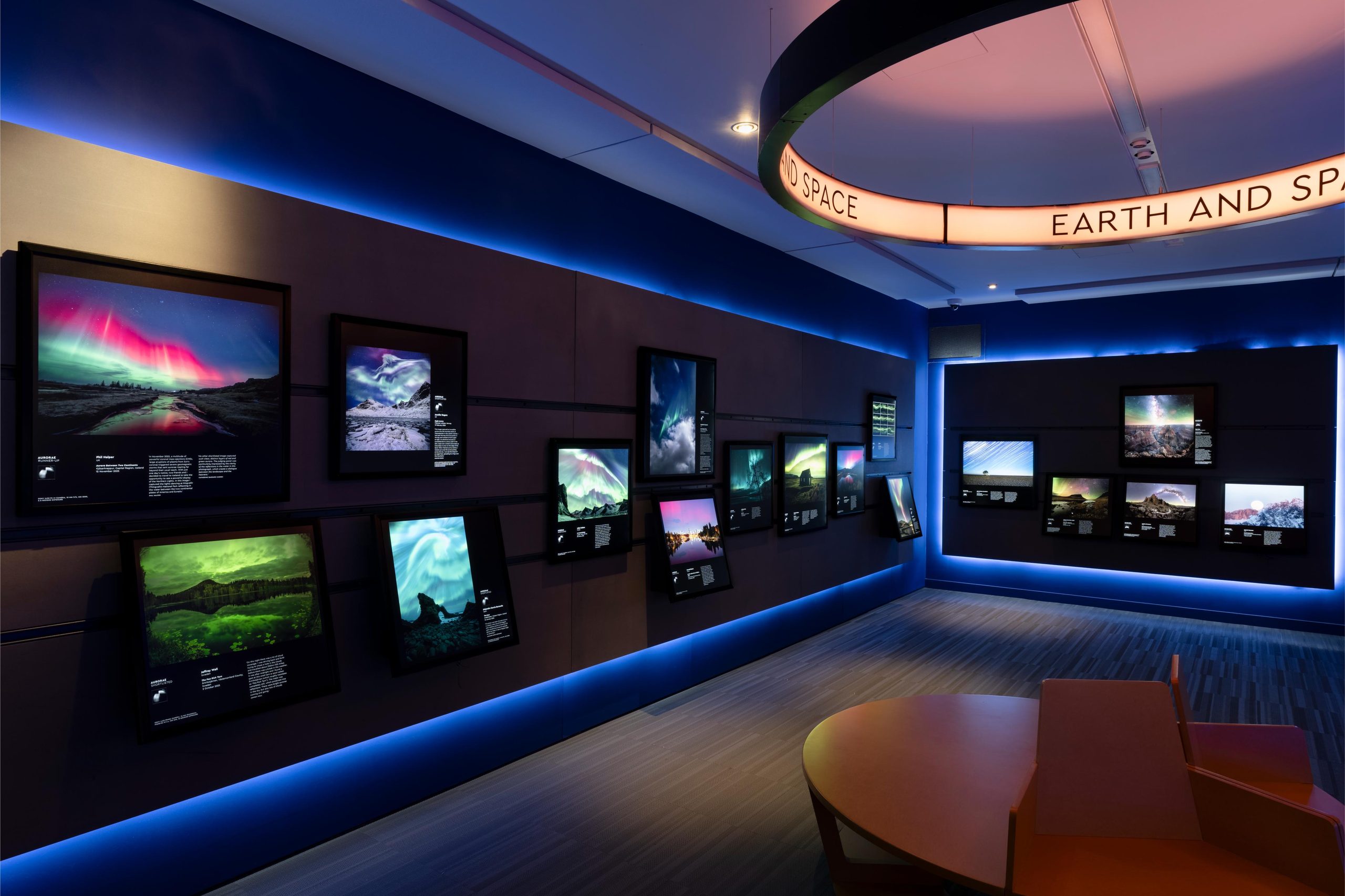
On this particular evening, I could see those impossibly bright specks which represent worlds existing in both past and present states, a thought which never fails to stop my mental treadmill in its tracks. It probably doesn’t help that I’m currently binge-watching Blake Crouch’s Dark Matter on Apple TV.
I’ve had a strange fascination with astrophotographer J-P. Metsavainio for years now (if you haven’t discovered him yet, here you go: https://astroanarchy.blogspot.com/. Enjoy never being productive again and wishing you could retrain as an astronaut). So when the opportunity arose to attend the awards evening for this year’s ZWO Astronomy Photographer of the Year exhibition, I leapt, much like Neil Armstrong taking his first step on the moon.
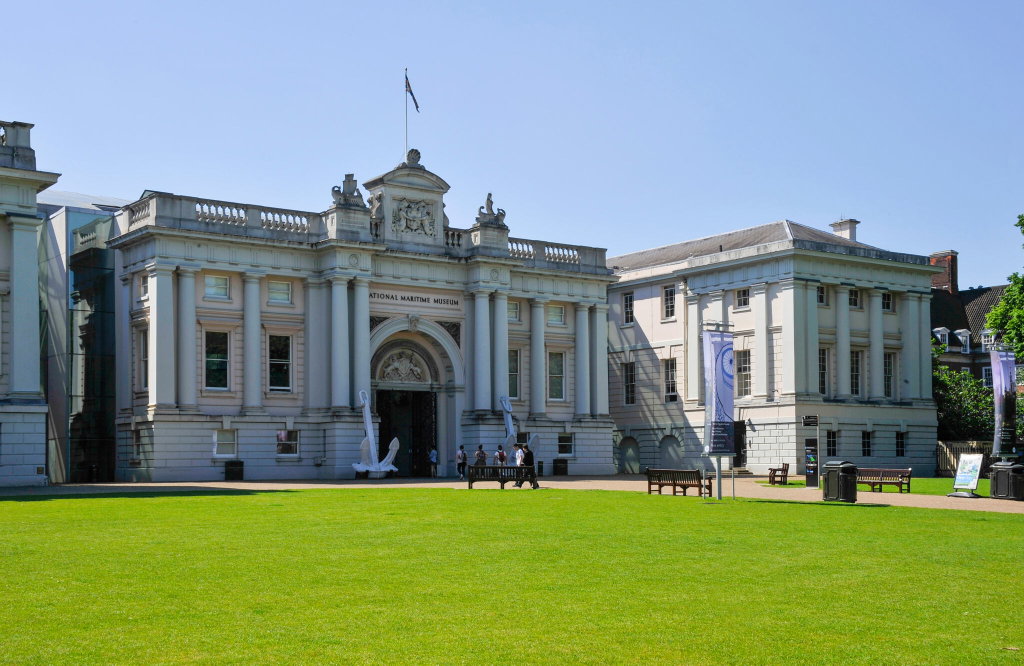
The National Maritime Museum is a beautiful building and the perfect venue for such an exciting, yet deeply contemplative, event. Opened in 1937, it sits within the Maritime Greenwich World Heritage Site, a short walk down the hill from the Royal Observatory, home of the Prime Meridian and the team behind this competition. It makes more sense than you might first think: for centuries, sailors found their way home by reading the same night sky these photographers now capture. There are few places where you can see some of the most captivating still images of the universe while standing alongside the Miss Britain III racing speedboat, which does harbour some rather UFO-like qualities.
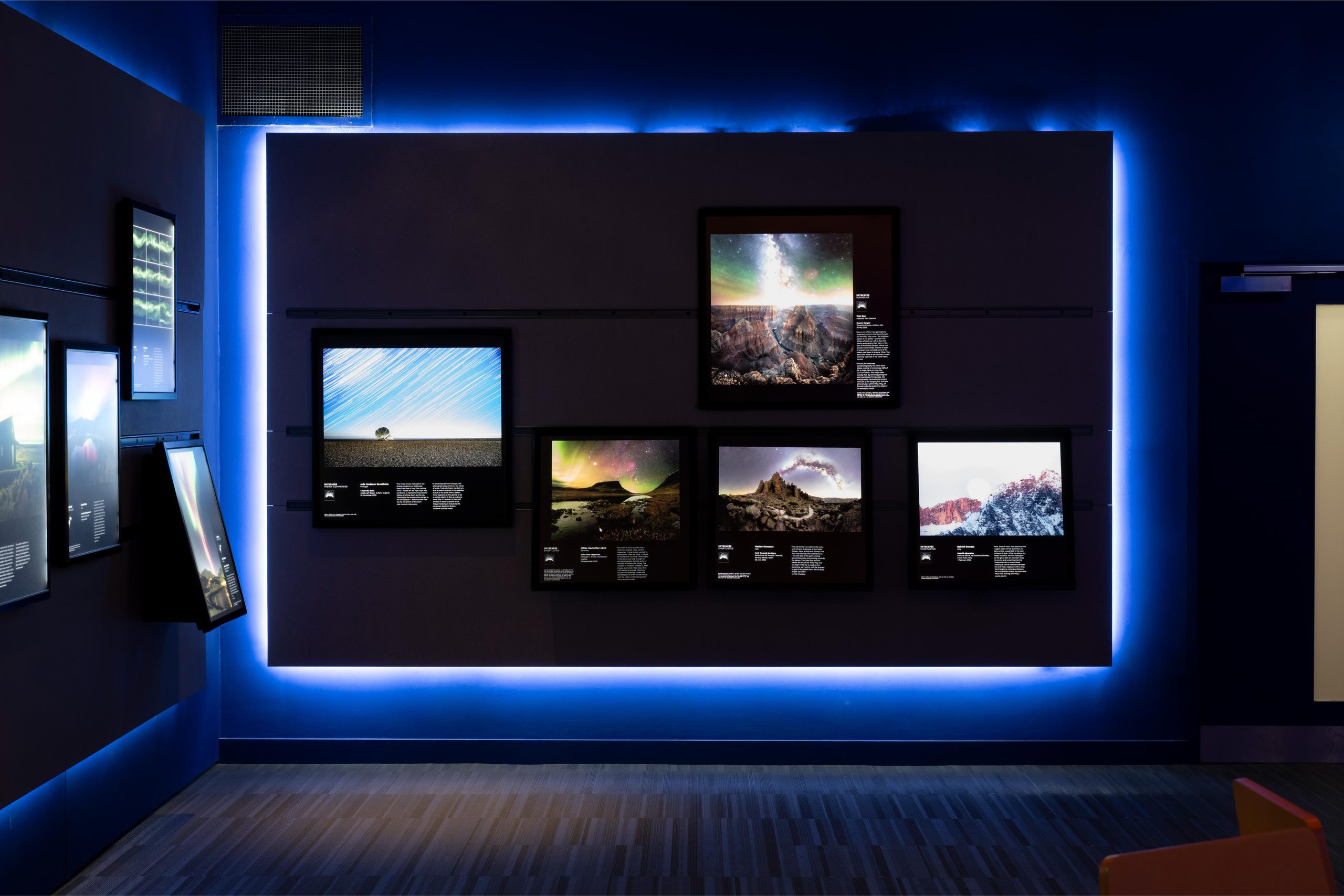
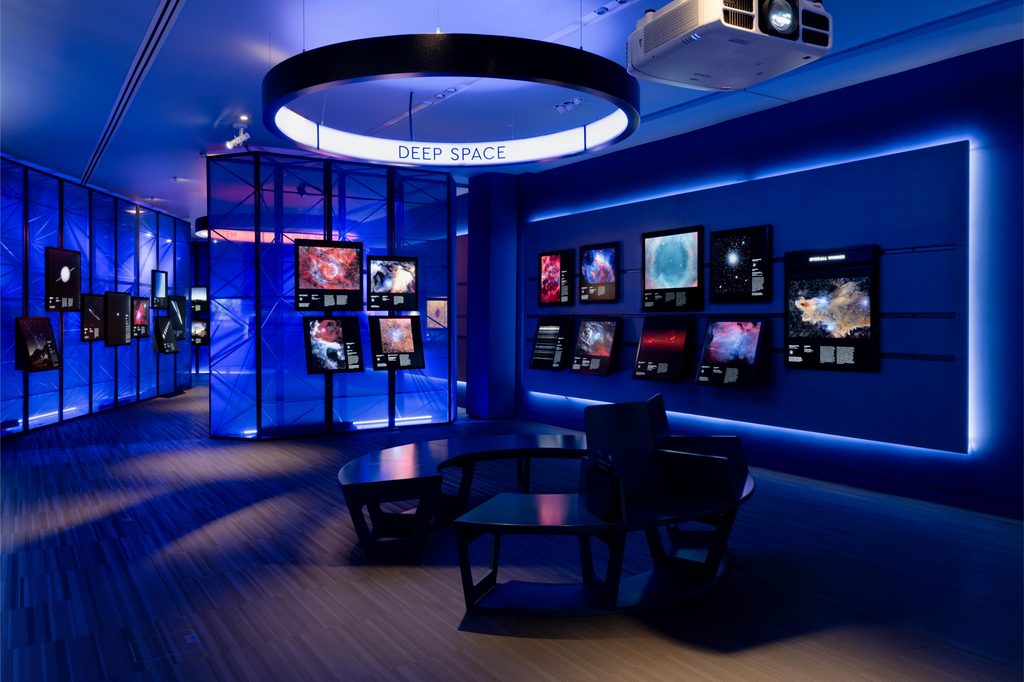
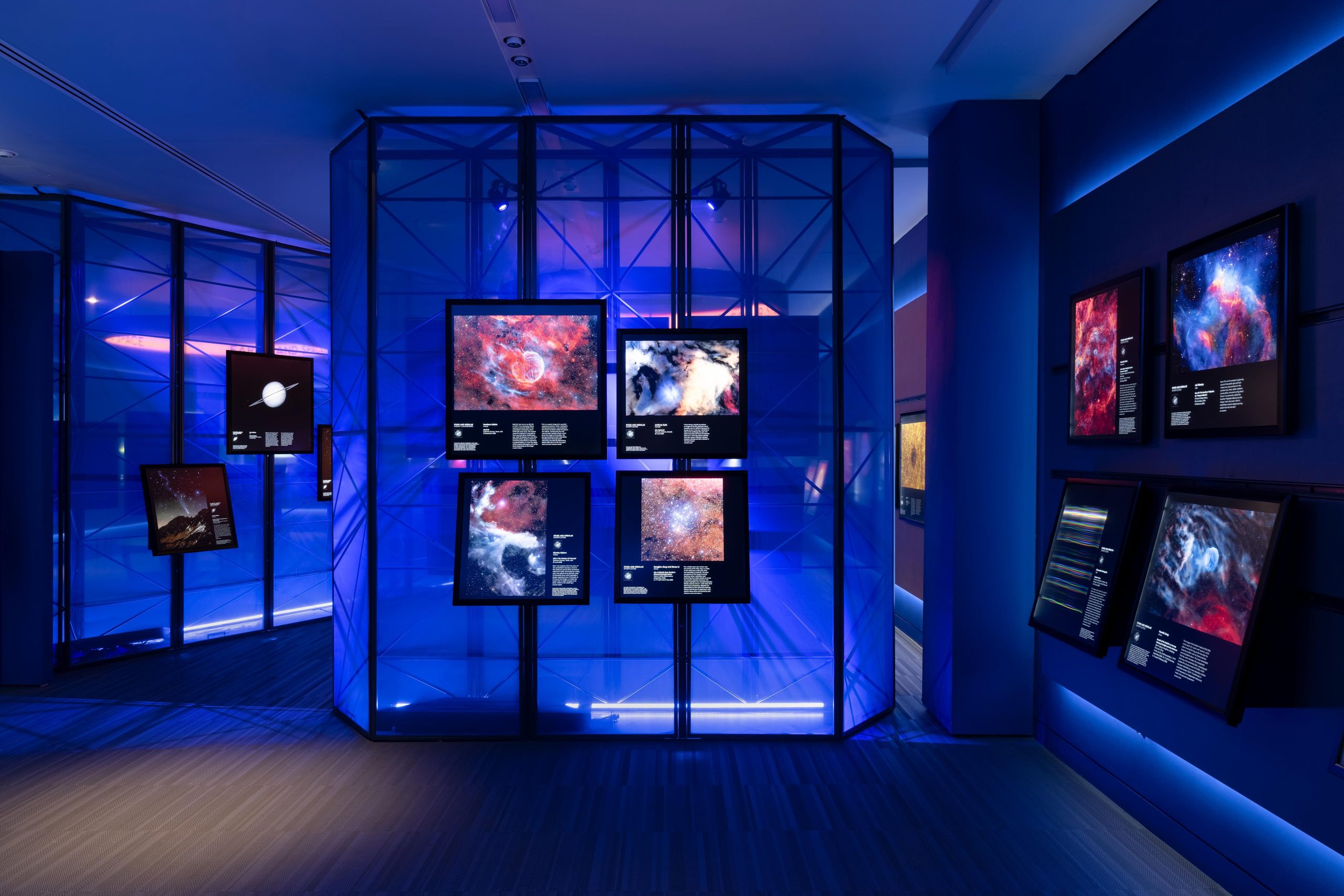
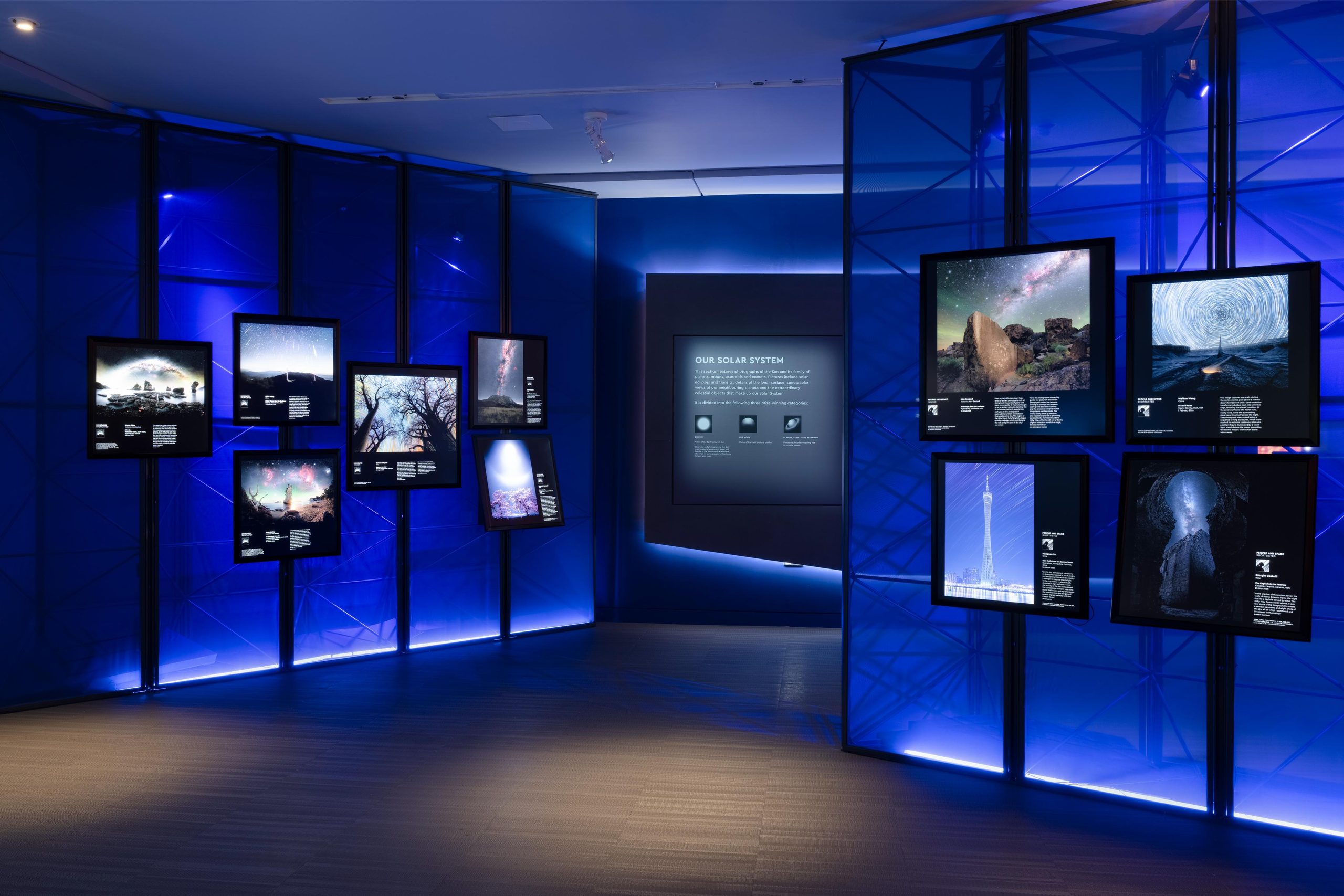
As I slowly wandered through the blue-hued tunnels, I couldn’t help but gawp in awe at the images of cosmic clusters glowing in the light boxes before me, some of which were taken by children as young as ten. I was fortunate enough to speak at length with two of the featured photographers, aged 10 and 12 (and their parents!), for whom this was the second time their images had been selected.
The evening’s top honour went to Ali Alobaidly, whose image The Quiet Predator won both the Stars and Nebulae category and the overall title. It’s easy to see why: the Shark Nebula lives up to its name, its dusty fins and jaws rendered in such fine detail that distant galaxies can be seen right through it. Max Inwood’s A Message From the Ancients took the People and Space category, setting ancient petroglyphs against the Milky Way in a way that perfectly captures the feeling of looking up and realising how many generations have done the same before us. Stefano Pellegrini’s Botswana Star Trail turns the sky above a baobab tree into ribbons of colour, while Petr Horalek’s Venusian Pearl on the Moon shows a pale crescent Moon slowly swallowing Venus in a blue daytime sky. The ZWO Young Competition was won by Nikolaos Strimpoulis for Mineral Moon, which brings out the subtle colours hidden in the lunar surface, and Haocheng Zhu took the Sir Patrick Moore Prize for Best Newcomer with M1: Echoes of an Ancient Explosion, the remains of a supernova still expanding almost a thousand years after it first lit up the sky.
These were the images that stood out most for me, though the exhibition also spans the Galaxies, Our Sun, Aurorae, and Planets, Comets and Asteroids categories, as well as the Annie Maunder Open Category.
The Astronomy Photographer of the Year showcase is on at the National Maritime Museum until August 2027, and if I can urge you to attend one exhibition this year, this is the one. It’s the perfect collaboration between human and nature, where we simply appreciate the wonder of what exists beyond ourselves and remember just how small, young and insignificant we are, and should continue to be.