
Streetwear has changed considerably over the past decade, moving from niche urban communities into a much broader fashion conversation. One of the factors behind this development is the growing role of collaborations, where brands combine distinctive visual identities, cultural references and creative ideas.
Within this environment, Trapstar collaborations offer an interesting example of how a London-rooted label can remain connected to street culture while reaching audiences beyond its original setting. The appeal is not simply about limited products; it is also about storytelling, design language and the cultural meaning attached to collaborative releases. Understanding this background provides useful context for anyone interested in the evolution of the Trapstar Tracksuit and contemporary streetwear.
The Story Behind Trapstar Collaborations
The development of a Trapstar collaboration can be understood through the wider evolution of the brand and its relationship with music, youth culture and London fashion. Rather than treating collaboration as a purely commercial activity, modern streetwear often uses these projects as a way to bring together different creative communities. Looking at the Trapstar collab history also highlights an important feature of contemporary fashion: successful collaborations often work because they create a connection between existing audiences.
A recognisable brand identity can be combined with another creative influence, resulting in garments and graphics that feel connected to more than one cultural space. This approach reflects the environment surrounding Trapstar London, where streetwear has historically developed alongside music, independent creativity and changing youth trends. As the brand identity evolved, collaborations became another way of presenting its visual language to audiences with different interests.
Why Trapstar Collaborations Stand Out
The influence of Trapstar streetwear collaborations is closely connected to the way London has shaped modern urban fashion. London streetwear has developed through a mixture of music, art, sport, independent labels and youth communities, creating an environment where clothing can communicate identity as much as personal style.
This connection with London streetwear culture helps explain why collaborative fashion can feel more meaningful than a simple product launch. Design details, typography, graphics, colour combinations and silhouettes can all carry cultural references. When two creative identities meet, the resulting collection can offer a different interpretation of familiar streetwear ideas. For consumers, this also changes the way clothing is viewed. A tracksuit, hoodie or jacket may serve a practical purpose, but its design can simultaneously represent a particular period, creative movement or cultural influence.
Limited Releases and Exclusive Pieces
Another important characteristic of collaborative fashion is scarcity. A Trapstar limited edition release can attract attention because availability may be more restricted than with standard collections. However, limited availability is only one part of the appeal. Design concept, cultural relevance and the story surrounding a release can all contribute to its perceived significance.
Similarly, Trapstar exclusive collections can demonstrate how streetwear brands use particular graphics, construction details and coordinated garments to create a distinct visual identity. Instead of focusing only on individual products, it is useful to consider how different pieces work together as part of a broader collection.
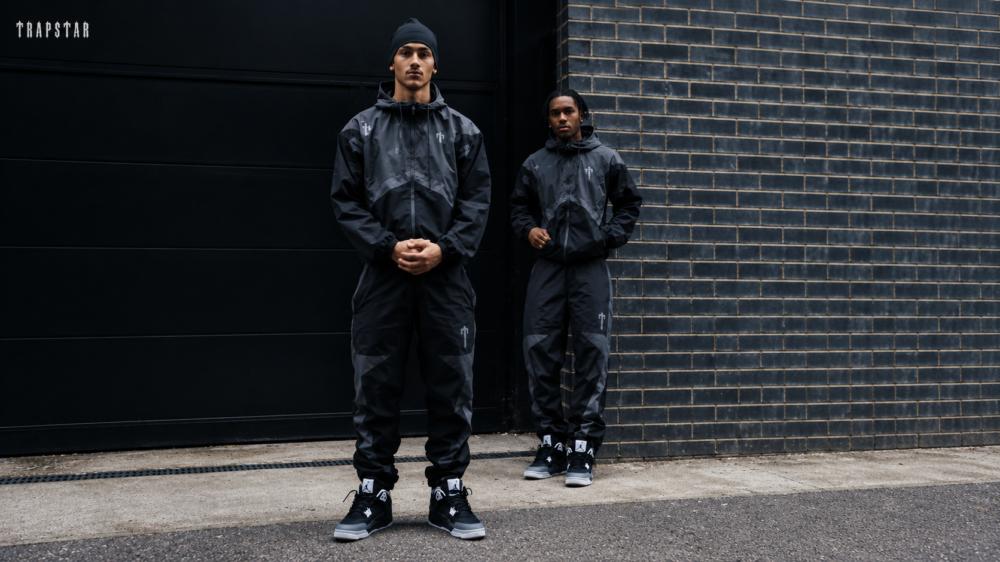
Trapstar collaboration pieces may include trapstar tracksuit, hoodies, outerwear and graphic-focused garments. These categories have become important within streetwear because they can combine everyday practicality with strong visual elements. A coordinated tracksuit, for example, can create a complete silhouette without requiring complicated styling, while a graphic jacket can become the main feature of an otherwise simple outfit.
From London Streetwear to a Wider Audience

The story of Trapstar London also reflects a broader shift in how regional streetwear influences international fashion. Digital media, music and global fashion communities have made it easier for distinctive aesthetics to travel beyond their original locations.
For UK audiences, the London connection remains an important part of the brand’s identity. For American and other international audiences, however, the appeal can also come from the way London design principles are interpreted through a global streetwear perspective.
This movement demonstrates how modern streetwear collaborations can connect different fashion communities without completely removing the identity of their original culture. London-inspired silhouettes, graphic design and casual styling can appear in different markets while still retaining references to their roots.
The same idea applies to tracksuits. Once strongly associated with sport and casualwear, they have become an established part of contemporary street fashion. Their versatility allows them to move between relaxed everyday outfits and more deliberately styled looks.
What Makes a Collaboration Relevant Today?
Not every collaboration automatically becomes culturally significant. The strongest projects usually have a clear creative relationship between the participating identities. Visual consistency, an understandable concept and relevance to the intended audience can make a collection feel more authentic.
For streetwear followers, this means looking beyond logos. Fabric choices, proportions, graphics, colour palettes and the relationship between individual garments can reveal much more about a collection’s creative direction.
This perspective is particularly useful when considering a Trapstar tracksuit. Rather than viewing it only as matching sportswear, it can be understood as part of a wider design language in which comfort, identity and visual expression overlap.
Conclusion
The evolution of collaborative streetwear shows how clothing can become a meeting point between fashion, music, design and culture. From its London roots to its wider international visibility, Trapstar provides an example of how a recognisable streetwear identity can develop through creative projects and changing audience expectations. Trapstar Tracksuit designs sit naturally within this wider story because tracksuits combine functionality with the coordinated aesthetic that has become central to contemporary streetwear. As fashion continues to evolve, collaborations will likely remain an important way for brands to introduce new ideas while maintaining a connection with their established visual identity.