
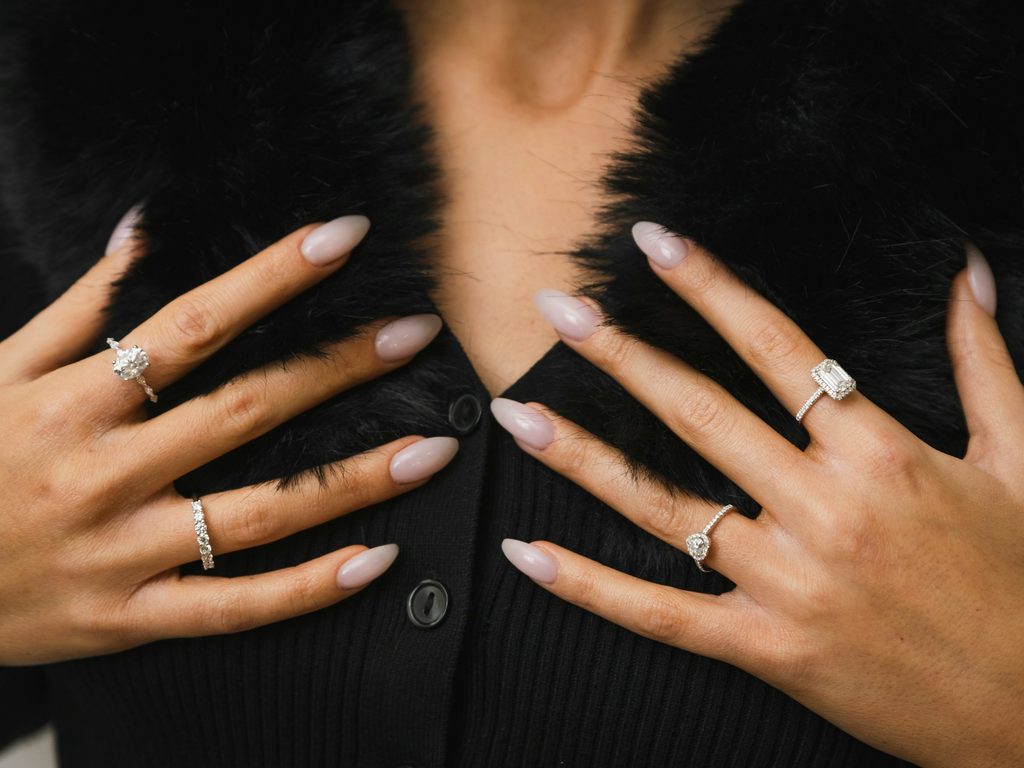
A beautiful piece of jewelry can hold financial value, but a high price tag alone doesn’t make it a sound purchase. Materials, construction, documentation and long-term wearability all affect what a piece may be worth over time. Fine jewelry also comes with costs, including maintenance and insurance, so it helps to look beyond its initial shine. No purchase offers guaranteed appreciation, but careful selection can give you a lasting piece that retains practical, personal and potential resale value.
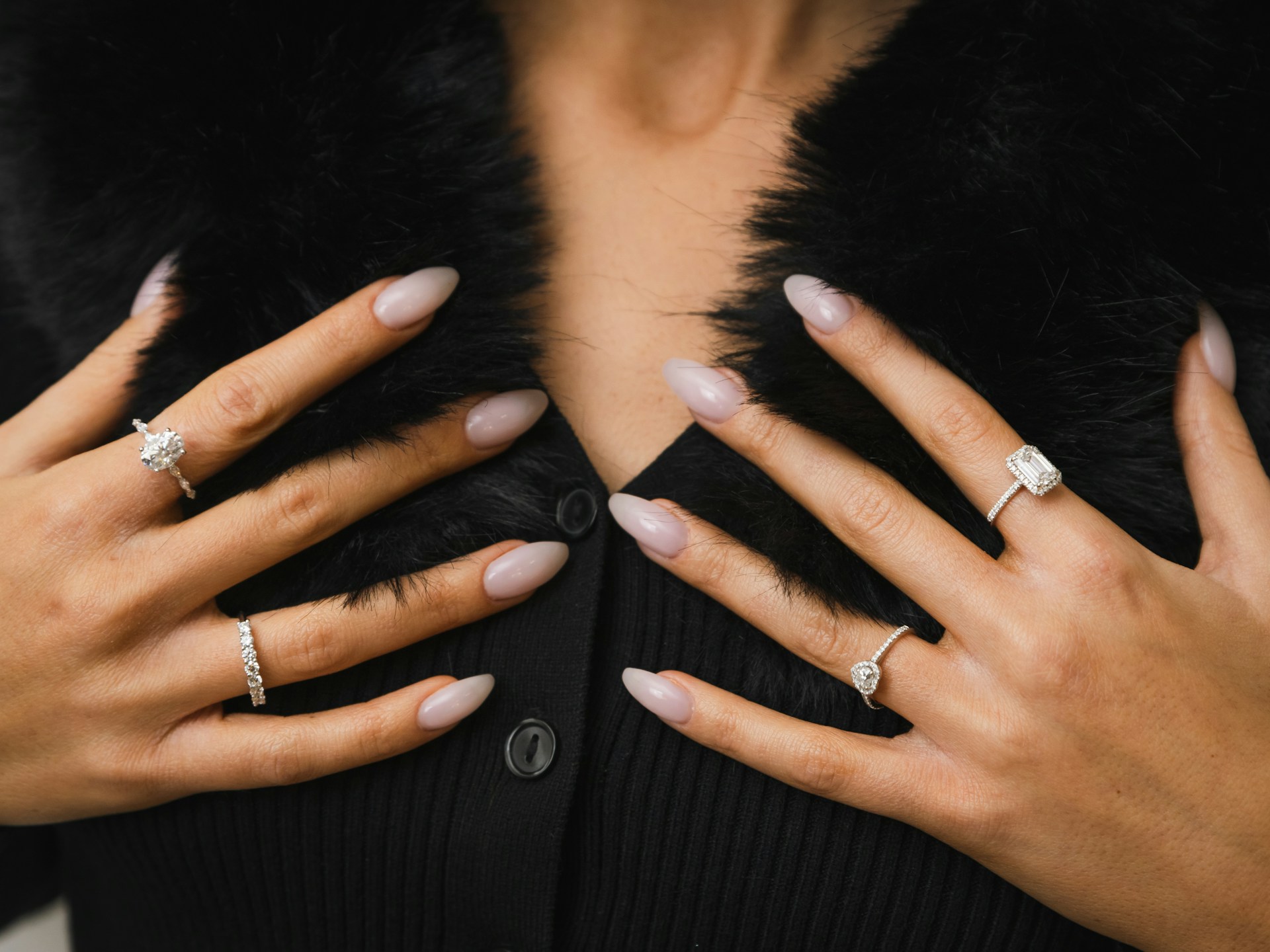
Beyond the Sparkle
Start by deciding what “investment” means to you. Some buyers want an heirloom they can pass down, while others hope to preserve part of their purchase price for a future sale. Those goals may lead to different choices.
Jewelry resale prices can fluctuate with fashion, condition and buyer demand. Precious-metal prices may provide a baseline, but design and workmanship also influence desirability. Ask for a detailed receipt and any available gemstone reports, especially when purchasing a significant stone. Independent laboratory documents can record details such as weight, treatments and quality characteristics. Keep in mind that a report describes an item. It doesn’t promise future value.
Key Factors for Value
Focus first on materials you can clearly identify. Confirm the metal type, purity and gemstone details before buying. Established precious-metal hallmarks can help indicate whether an item is 14-karat gold, 18-karat gold or another stated standard.
Design matters too. A distinctive piece with balanced proportions may remain appealing long after a short-lived trend fades. When comparing fine jewelry, look closely at the product specifications, craftsmanship and use of gold, emeralds or other gemstones. Request written information for any feature that affects the price. A clear return policy also gives you time to inspect the piece in person and check that its color, scale and comfort match your expectations.
For vintage and antique pieces, provenance and authentication can be just as important as appearance. This guide to buying antique jewellery online explains what to check when assessing a piece’s history, condition and supporting documentation.
Recognizing Quality Craftsmanship
Turn the piece over and study areas that aren’t immediately visible. The back of a pendant, inside of a ring and underside of a setting often reveal how carefully it was made. Surfaces should feel smooth, clasps should close securely and decorative elements should appear balanced.
On gemstone jewelry, check that prongs sit evenly and don’t snag fabric. Stones shouldn’t rattle when the piece moves gently. Hinges on bracelets and earrings should open without grinding or excessive looseness. For a ring you plan to wear several times a week, examine the thickness of the band near its base, where wear often occurs first. If possible, ask a qualified jeweler to inspect an expensive purchase before the return period ends.
Caring for Your Investment
Good care protects both appearance and structure. Store pieces separately in soft pouches or lined compartments so harder stones and metal edges don’t scratch neighboring items. Remove rings and bracelets before cleaning, exercising or applying lotions that may leave residue in small settings.
Cleaning methods depend on the material. Warm water and mild soap may suit many gold pieces, but treated gemstones, emeralds and delicate settings can require gentler professional care. Avoid using an ultrasonic cleaner unless a jeweler confirms that it’s safe for the specific piece.
Photograph valuable items and keep receipts, reports and repair records together. For higher-value purchases, ask your insurer whether you need scheduled coverage and how often it requires an updated appraisal.
The Emotional Return
Financial performance is only one part of jewelry’s value. A ring worn for a milestone or a necklace passed between generations can become meaningful in a way that no resale estimate captures. Pieces you genuinely enjoy also provide a practical return because they spend time being worn instead of remaining forgotten in a box.
Choose a design that fits your real wardrobe and routine. Delicate settings may suit occasional events, while a lower-profile piece can work better for regular wear. If you hope to create an heirloom, write down when and why you bought it, then keep that note with its documents. Years later, the story may be the detail that makes the piece irreplaceable.