
Whether you’re commuting to work, heading off on a weekend break, or simply running errands, your tyres play a bigger role in every journey than you might realise.
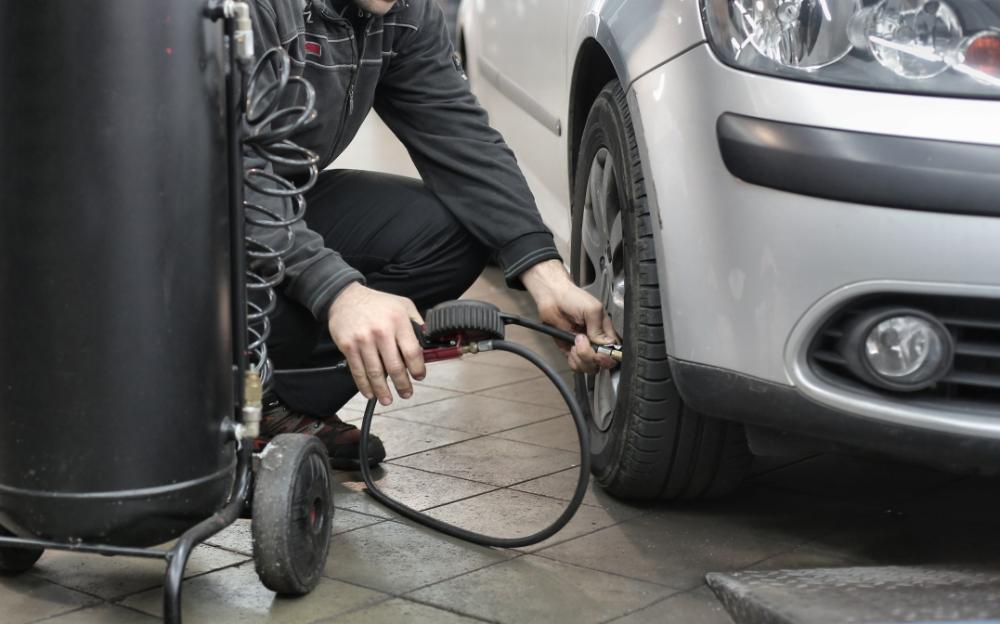
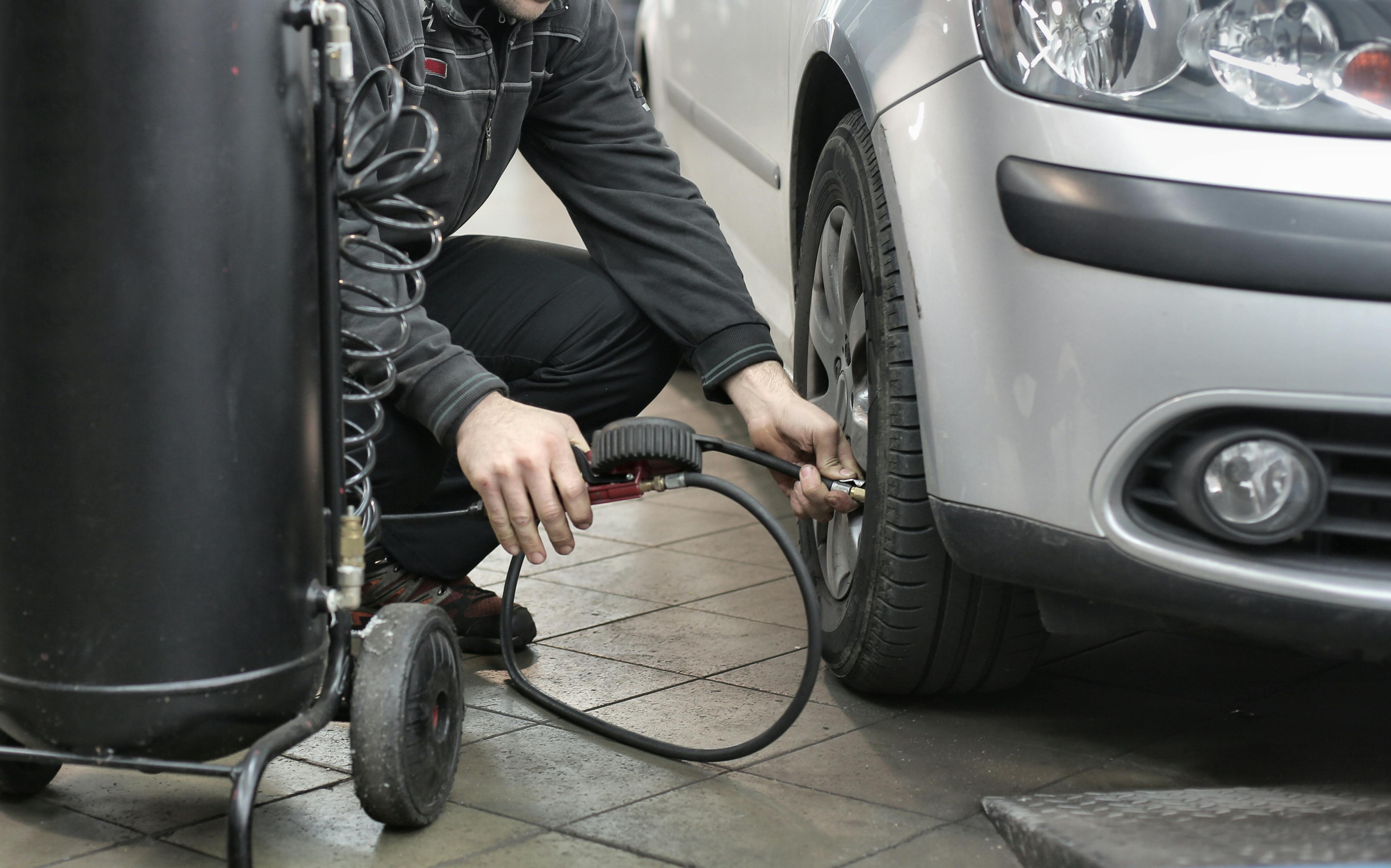
It’s easy to forget about the four rubber circles connecting your car to the road. But your tyres are actually super important for keeping you safe and making sure your car runs well. They’re the only part of your car that touches the ground, and how they’re doing can really change everything.
The Foundation of Road Safety
Your tyres are key to how well your car grips the road, steers, and stops. The patterns on your tyres, called tread, are there to push water away. This stops your car from sliding on wet roads and helps you stay in control. When your tyres are worn down, they can’t do this job as well. That means you’ll need more time to stop, and your car will be harder to handle, especially if you have to react quickly. It’s not just about how deep the tread is, though. Having the right amount of air in your tyres is also super important to keep their shape and make sure they touch the road properly. If you’re ever not sure about your tyres, getting an expert to look at them at a local tyre shop can clear things up and keep you safe.
Impact on Fuel Efficiency
Did you know your tyres can really change how much petrol you use? This happens because of something called rolling resistance. It’s basically the energy your car needs to keep the tyres moving at a steady speed. If your tyres don’t have enough air, are worn out, or aren’t of good quality, they create more friction. This means higher rolling resistance. So, your engine has to work harder, burning more petrol to go the same distance. The role tyres play in fuel efficiency can be pretty big. Making sure your tyres are properly inflated and in good shape is one of the easiest ways to get more miles out of your petrol. Picking the right new tyres can also help, as some are made to have less rolling resistance, which explains how new tyres save gas.
When to Replace Your Tyres
Knowing when it’s time for new tyres is a big deal. The easiest way to tell is by checking the tread depth. In the UK, your car tyres need to have at least 1.6mm of tread across the middle three-quarters of the tyre. A quick way to check this is with a 20p coin: just pop it into the main tread grooves. If you can’t see the outer band of the coin, your tread is probably good enough. But you should also look for other signs that your tyres are getting old or damaged.
- Cracks on the side of the tyre
- Bumps or bubbles
- Wear patterns that aren’t even, which could mean your wheels aren’t aligned right
Even if the tread looks okay, most manufacturers suggest getting new tyres after five or six years. That’s because the rubber itself starts to break down over time.
Understanding Tyre Types
Not all tyres are the same, and it’s important to get the right kind for your car and where you drive. You’ll mostly find three types: summer, winter, and all-season tyres. Summer tyres work best when it’s warm and dry, giving you great grip and handling. Winter tyres, on the other hand, are made with softer rubber and have a different tread pattern. This helps them stay flexible in the cold and get a better grip on snow and ice. All-season tyres are a mix of both. They try to do a decent job all year round, but they won’t be as good in really hot summers or harsh winters as the special tyres for those conditions.
Just taking a moment to check your tyres before you drive is a simple habit that really pays off. It’s a small bit of time that directly helps keep you safe and can even save you money on petrol.