
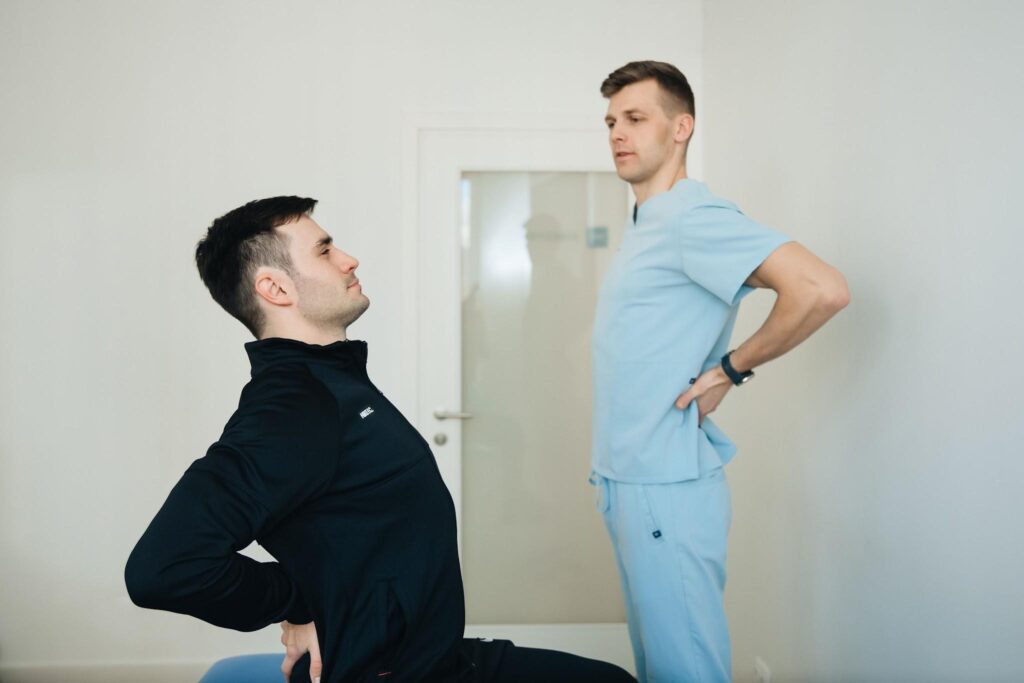
Gym goers are moving away from random workout routines and heavy lifting without purpose. Modern fitness focuses heavily on how bodies move, recover, and stay pain-free during daily activities.
Fitness professionals are adopting movement assessments to help clients build long-term stability. The shift toward targeted movement fixes is reshaping how trainers design personal programs.
Moving Past Traditional Workout Methods
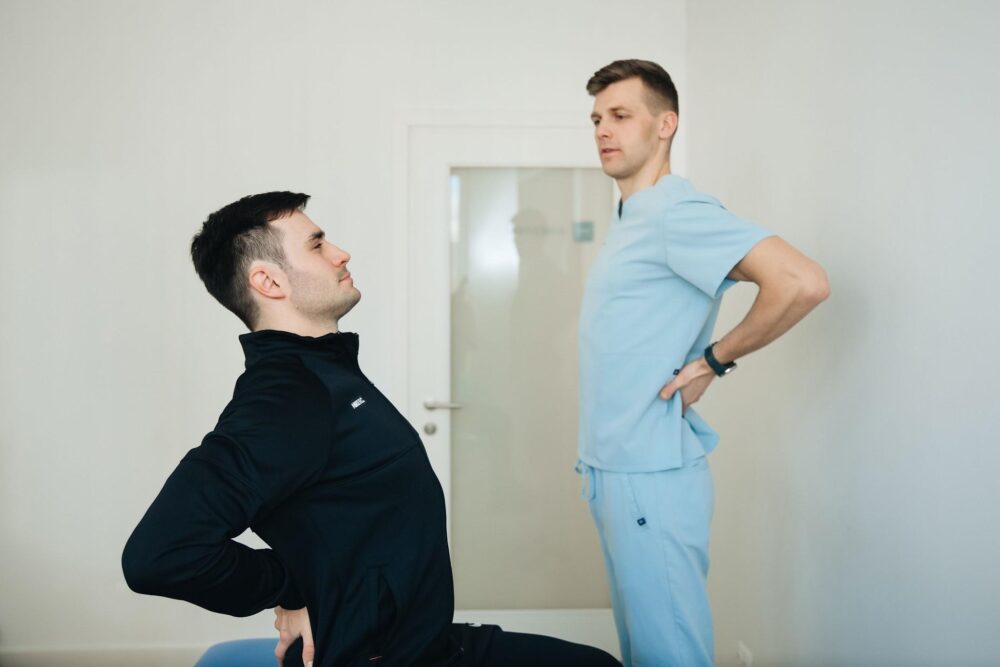
Traditional gym programs often focused purely on muscle size or raw cardiovascular endurance. Many people ended up dealing with joint discomfort from repeating poor movement patterns under heavy loads. Smarter training methodologies now prioritize joint alignment and structural balance before adding weight.
Fitness coaches must understand how anatomy, movement science, and recovery strategies work together seamlessly. Enrolling in an evidence-based, systematic, integrated, patient-centered corrective exercise certification gives trainers the exact framework required to fix client movement limitations safely. Clients achieve better results when trainers follow proven protocols tailored to unique physical needs.
Correcting posture and alignment helps gym members avoid unnecessary physical strain. People can stay active longer when their training minimizes wear on joints. Long-term health has become the main goal for average gym participants today.
Leveraging Data and Technology in Training
Technology plays a huge role in tracking movement quality and physical progress. Industry reports highlight that data-driven training technology leaped from rank 18 in 2024 up to rank 7 in 2025. Trainers use digital metrics to spot movement dysfunctions before injuries occur.
Clients want precise feedback regarding their heart rate, recovery stats, and daily movement patterns. An annual industry survey found that wearable technology ranked as the top fitness trend for 2025. Blending digital tracking with targeted movement fixes helps people stay consistent.
Smarter gadgets make it simple to monitor strain throughout the week. Individuals can see real-time updates on their cellular devices. Data removes the guesswork from personal health routines.
Targeting Muscular Systems with Precision
Addressing body mechanics requires training deep stabilizing muscles alongside larger power-producing muscles. Educational materials show that local and global muscular systems require integrated models to restore function and boost physical output. Isolating weak spots allows muscle groups to coordinate naturally during complex movements.
Weak gluteal muscles or tight hip flexors often trigger discomfort in the lower back. Targeted stretches combined with specific activation drills restore proper muscle balance. Correcting these imbalances helps clients perform daily tasks with ease.
Balanced muscle groups distribute workload evenly across major joints. Less stress on tendons means faster recovery times between heavy workouts. Members leave sessions feeling refreshed rather than completely exhausted.
Key Benefits of Targeted Movement Work
Systematic movement training offers clear physical advantages for people of all age groups. Integrating targeted exercises creates a strong foundation for daily movement and athletic performance.
- Decreased joint stress and reduced chronic stiffness
- Improved balance, core stability, and total body posture
- Faster recovery times between intense workout sessions
- Greater movement efficiency during routine physical activities
Individuals notice quick improvements in their daily comfort levels. Walking, climbing stairs, and lifting groceries become effortless tasks. Consistent practice reinforces healthy movement habits through each decade. Clients retain full mobility well into advanced age.
Reducing Injury Risks Through Smarter Screening
Screening clients before starting a routine identifies hidden compensation patterns. Trainers watch how knees, hips, and shoulders align during simple squats or overhead reaches. Spotting faulty mechanics early prevents chronic injuries down the road.
Many active individuals unknowingly push through minor pain until a serious injury occurs. Early intervention stops bad habits before they create permanent joint damage. Structured screening protocols protect participants from unnecessary setbacks.
Safe movement patterns allow athletes to maintain peak training volumes year-round. Avoiding injuries means zero lost time in the weight room. Consistency remains the top factor in reaching long-term strength milestones.
Transforming the Future of Personal Coaching
Personal trainers are evolving from cheerleaders into skilled movement specialists. Clients demand structured plans rooted in real biomechanical evidence rather than trending social media workouts. Coaches who understand movement assessment stand out in a competitive marketplace.
Cooperative relationships between physical therapists and fitness coaches continue to grow. Clients transitioning out of clinical rehabilitation need skilled trainers to maintain their progress. Seamless handoffs protect individuals as they rebuild strength.
Education drives the entire movement field forward each passing year. Science-backed methodologies provide clear pathways to physical longevity. Professional guidance keeps clients motivated, safe, and moving efficiently.

Fitness culture has embraced evidence-based strategies that prioritize movement quality over extreme intensity. People now value pain-free living and long-term functional mobility above quick aesthetic changes.
Smart movement strategies give individuals the tools needed to stay active across a lifetime. Adopting targeted exercise models creates a foundation for lifelong strength and joint health.