
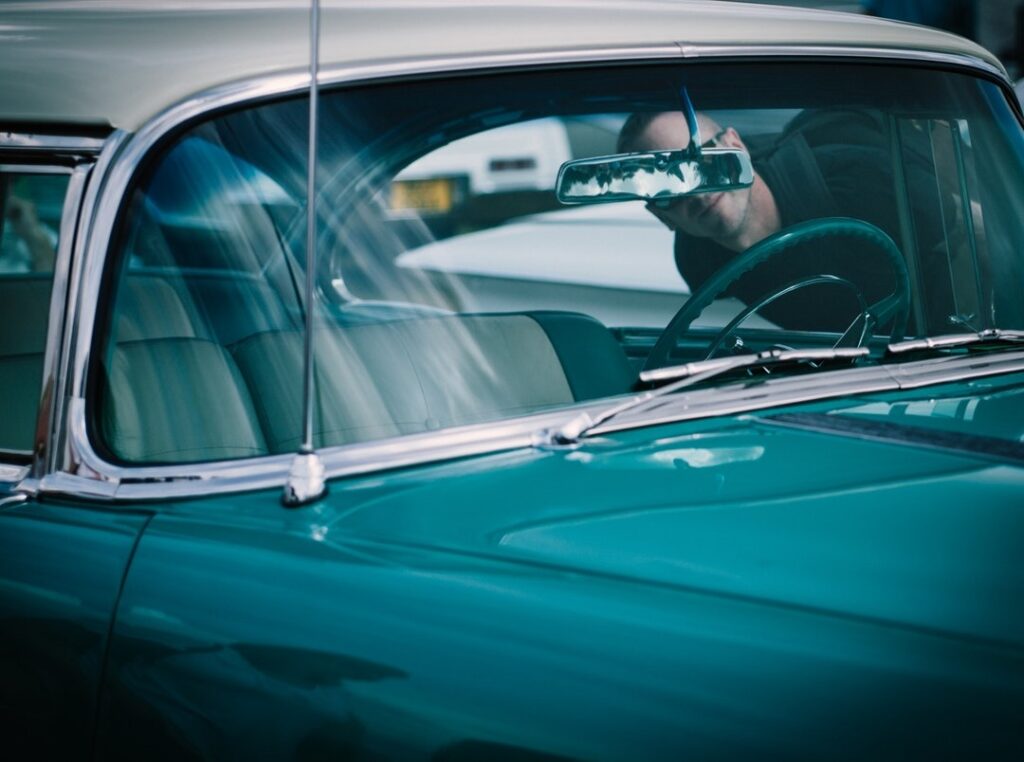
Walking up to a vintage car instantly triggers something special. The distinctive smell of aged leather, the gleaming chrome trim, and the unmistakable sound of a classic engine pull drivers into a different era.
Motorists across the globe spend significant time searching for these mechanical treasures. What drives this deep obsession with collecting vintage vehicles? Read on to find out.
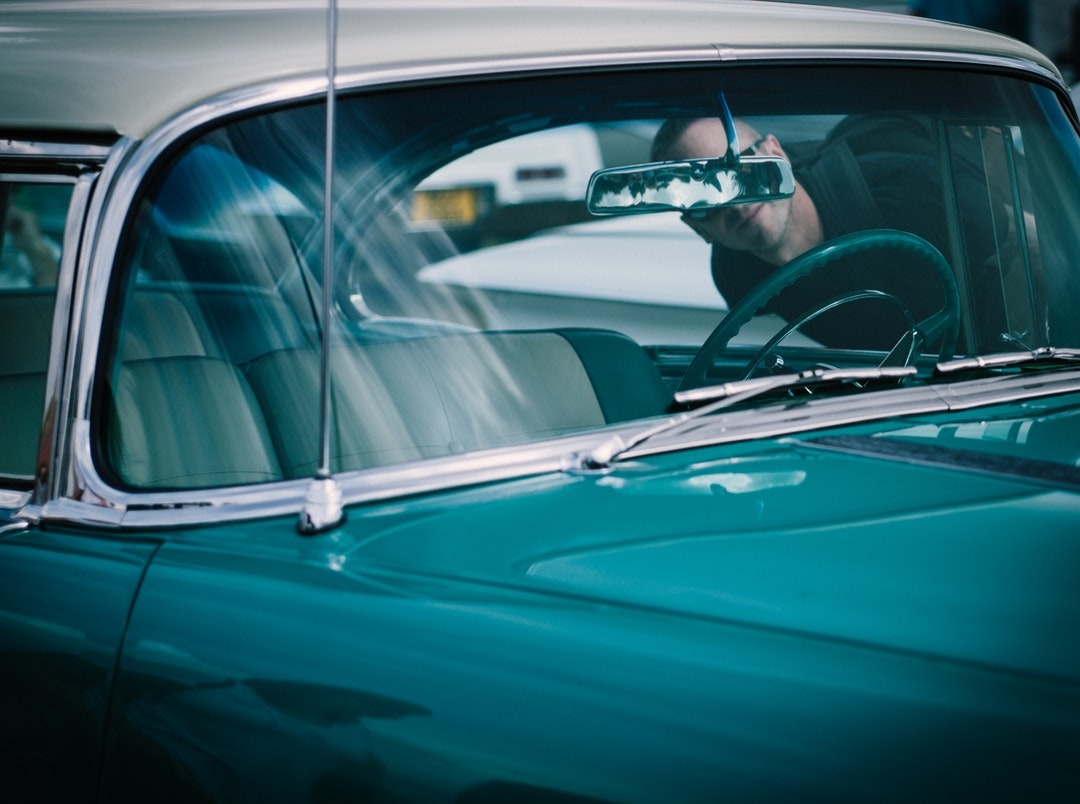
Connecting With Automotive History
Many owners begin their collection journey to reconnect with memories from their youth. Scrolling through inventory at trusted dealerships like Beverly Hills Car Club allows enthusiasts to discover iconic models that defined their favorite decades. Finding the exact vehicle from childhood dreams brings a sense of fulfillment that modern vehicles rarely deliver.
Driving an older automobile offers a tactile connection to the road. Unassisted steering, manual shifting, and distinct engine notes turn every drive into a memorable event. Owners form lasting friendships through car meets, rallies, and club events centered around shared automotive passions.
Key Factors to Evaluate Before Purchasing
Entering the collectible vehicle market requires careful planning and research. Smart buyers review critical criteria before purchasing a vintage machine:
- Vehicle History and Documentation: Complete service records and original titles verify true authenticity
- Storage and Climate Controls: Secure garage spaces protect classic metal from environmental damage
- Maintenance Requirements: Sourcing rare replacement parts requires specialized mechanics and budget planning
- Insurance and Appraisals: Specialty agreed-value coverage protects true market worth in case of loss
Thorough preparation helps buyers protect their financial investment and driving experience. Informed decisions prevent expensive restoration surprises.
Emotional Nostalgia and Personal Satisfaction
Nostalgia is one of the strongest motivators for buying a historic automobile. A good 68% of vintage vehicle owners purchase primarily for emotional nostalgia rather than financial returns. That deep emotional bond turns vehicle ownership into a rewarding personal hobby.
Preserving a classic vehicle allows drivers to showcase legendary styling choices that stand out on modern roads. Sweeping chrome lines and hand-crafted interiors offer an aesthetic appeal missing from modern mass-produced vehicles. Owning these cars keeps historic craftsmanship alive for future generations to admire.
Tangible Financial Assets in Modern Portfolios
Financial advisors recognize rare automobiles as alternative investments capable of stabilizing a portfolio. Forbes reports that tangible passion investments like classic sports cars provided stable long-term value preservation against inflation. Holding physical assets offers security compared to volatile financial markets.
Capital allocation toward vintage automobiles has risen among serious investors. Alternative asset collectors directed more than $2.1 billion into rare vintage automobiles during 2024. High-net-worth individuals expanded collectible automobile portfolios by 12% across that same timeframe.
The Growing Restoration and Craftsmanship Market
Restoring older cars transforms maintenance into an engaging art form. Mechanics and hobbyists spend weekends sourcing original components, rebuilding carbureted engines, and refining original body panels. Working on mechanical components provides hands-on satisfaction that computerized modern cars cannot match.
The restoration industry reflects strong growth as valuation numbers climb worldwide. The global classic car restoration market reached a valuation of $31 billion. High demand for period-correct restorations keeps classic cars roadworthy for decades to come.
Key Demographic Shifts Across Collector Generations
Demographics in the classic car market are going beyond traditional buyer profiles. Younger drivers are entering the scene with strong enthusiasm for vehicles produced during the 1980s and 1990s. Younger generations view these retro models as functional art pieces and distinct weekend cruisers.
Insurance figures confirm this expanding generational participation. Gen X and Millennial buyers account for more than 45% of all new classic car insurance policies issued. Rising interest among younger buyers creates long-term market stability for collectible automobiles.
Historical Appreciation and Market Performance
Selected historic vehicles display impressive financial appreciation over multi-year periods. Hagerty recorded a 7% increase in total transaction volume across major auction houses during 2024. Robust transaction activity indicates strong market liquidity for desirable classic models.
Certain vehicle categories show steady value increases year after year. Blue-chip vintage sports cars from the 1960s and 1970s recorded average annual value gains of 5.4%. Knowledgeable buyers target rare, low-production models with complete ownership records to maximize gains.
Building Networks Within Vintage Vehicle Communities
Owning a classic automobile opens doors to active social communities. Regional rallies, car meets, and specialized club events bring like-minded enthusiasts together. Members exchange technical tips, restoration advice, and leads on hard-to-find components.
Shared passion creates strong bonds across different generation groups. Experienced builders share mechanical wisdom with younger collectors entering the hobby. Weekend cruises offer opportunities to show off vehicles and celebrate shared automotive culture.
Community connections make finding rare vehicles and parts far easier. Word-of-mouth networks reveal hidden garage finds before public auctions start. Active participation transforms individual vehicle ownership into a shared social experience.
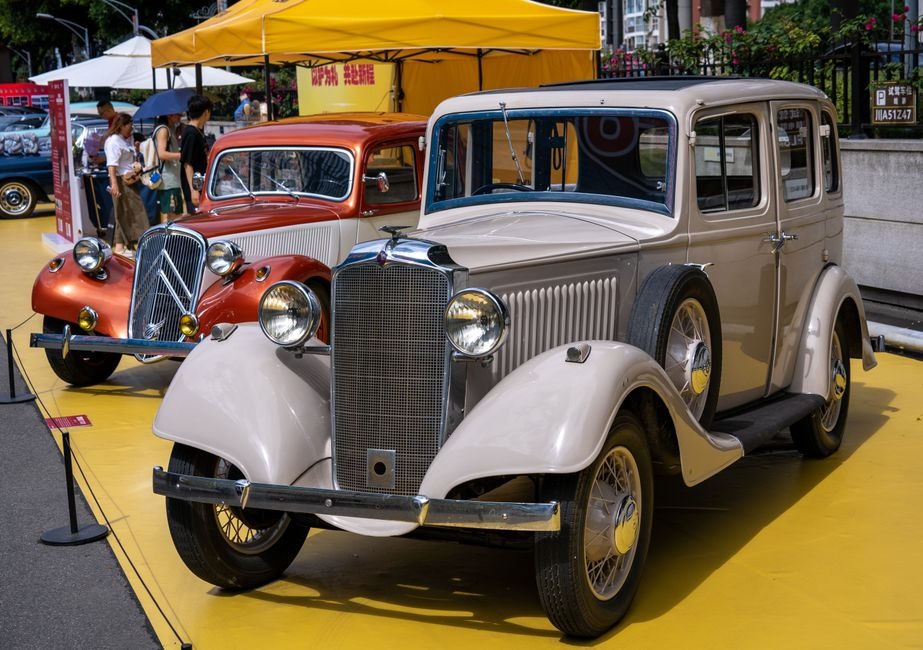
The ownership of a classic car combines personal enjoyment with tangible financial value. Driving a restored automobile brings genuine excitement and preserves automotive heritage for the future. Collecting vintage cars turns every road trip into a memorable celebration of automotive history.