
You’ve probably seen or held a pool ball at some point in your life. It’s one of the most recognisable pieces of sports equipment out there; you can’t mistake it for anything else.
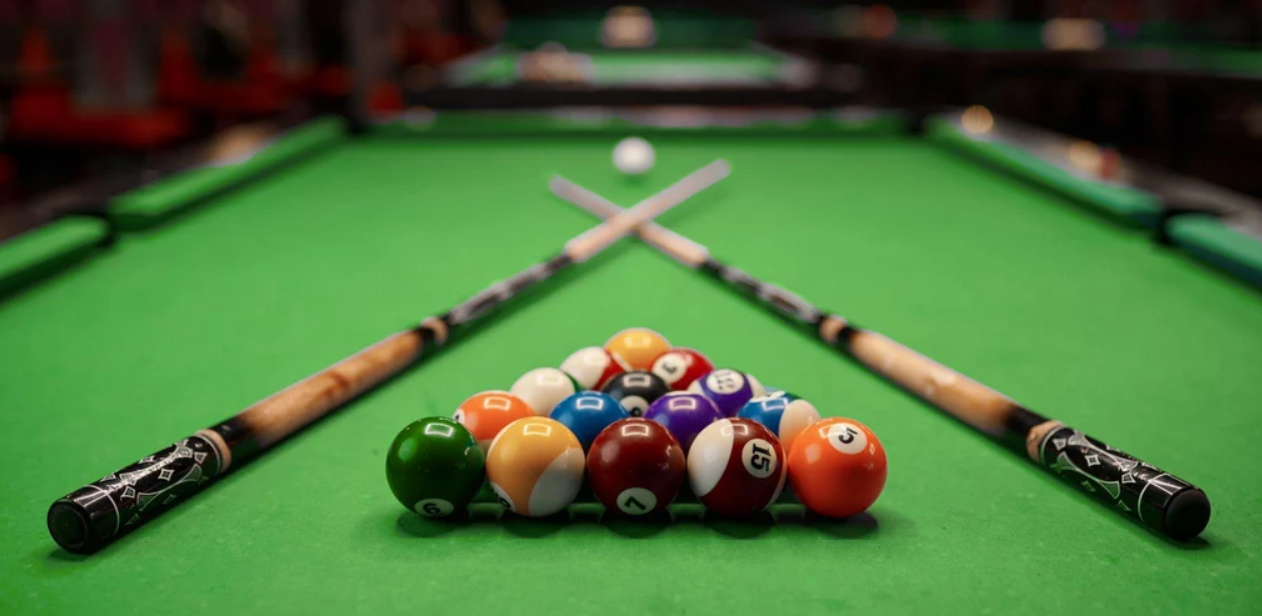
While everyone knows what these smooth, clacking spheres are, especially the black ones, which have taken on almost magical status, not many people know that they have a history as long and rich as the game itself. And if you’re planning on buying a set, it helps to know your stuff before you shop.
Cue the Beginning
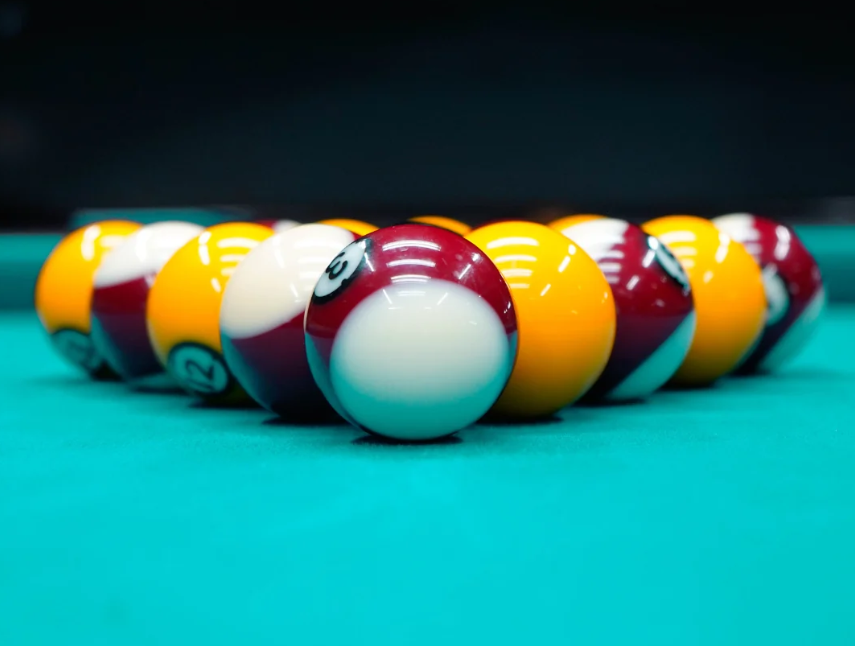
Same as the other modern cue sports, pool evolved from outdoor lawn games in 15th-century Europe. Royalty and nobles later brought the game indoors, replacing the grass with wooden tables covered in green cloth. The ball changed too. It became smaller and more refined for table play. Earlier versions were made from affordable materials like wood and clay, while ivory eventually became the preferred material.
An Elephant-Sized Problem
By the 17th century, elephant ivory had become the standard for billiard balls because of its hardness, smoothness, and appearance. But ivory was expensive and increasingly difficult to source, while the wider ivory trade placed enormous pressure on elephant populations.
Meanwhile, the Industrial Revolution and the rise of betting culture helped billiards spread beyond the aristocracy, eventually becoming a popular pastime in public houses, clubs, and billiard halls. Between the ivory shortage and the game’s growing popularity, an alternative was needed. What came next was a turning point for the pool ball sets you can buy today.
Calling All Inventors
American pool table maker Phelan and Collender offered $10,000 to anyone who could invent an ivory substitute. Inventor John Wesley Hyatt developed celluloid from camphor and nitrocellulose, using heat and pressure to produce a hard, ivory-like plastic. Celluloid balls were highly flammable and could produce a loud cracking sound when struck together. Although celluloid wasn’t a perfect substitute for ivory and Hyatt didn’t receive the $10,000 reward, his invention helped pave the way for the modern pool ball.
The Birth of Bakelite
In 1907, chemist Leo Baekeland invented Bakelite, the world’s first fully synthetic plastic that would become important in cue sports. Phenolic resins offered excellent heat and impact resistance and could be moulded into highly consistent, durable spheres at a much lower cost than ivory. Over time, manufacturers refined these materials into the high-performance phenolic-resin balls widely used in pool today.
With the backstory covered, it’s time to turn to the present. There’s a variety of options to suit everything from casual home setups to club play.
How to Choose Pool Balls
Poor-quality sets can throw off your aim, wear down faster, and even damage your table’s felt over time. Choosing the right set means a smoother, more consistent performance every time you play. That’s why it’s important to know exactly what you’re getting and paying for.
Materials
There are different materials to choose from to suit different budgets and skill levels. Polyester and acrylic are some of the budget-friendly go-tos for beginners and casual players. Although they may be easy on the wallet, they’re not always built for the long haul or the seasoned player. They chip easily, wear down quickly, and can lose their true shape. Once this happens, it can throw off your performance.
Since we’re talking about something that’s fundamentally a precision game, not a guessing one, you might want to consider a phenolic resin set, especially if pool is more than a once-in-a-while hobby for you. It’s the industry standard for a reason. These balls keep their shape over time, so they roll smoothly, spin predictably, and bounce off the cushions the way you’d expect.
Ball Sizes and Dimensions
Size matters, and it’s one of the key differences between the English and American rules. The English standard typically measures 2 inches in diameter, while its American counterpart is slightly larger at 2 1/4 inches. Playing with the wrong size can throw off your shots, since tables, pockets, and cues are all built around specific dimensions. That’s why the two styles aren’t interchangeable, so it’s worth double-checking before you buy.
Brands
Aramith, made by Belgian manufacturer Saluc, is widely regarded as the gold standard and is the brand you’ll see in professional tournaments and clubs around the world. Dynaspheres is another trusted name, known for its consistent quality and durability, often at a lower price point. Both brands have built strong reputations among serious players, so the right pick often comes down to personal preference and playing style.
Price
Do expensive pool balls make a difference? In short, yes. You pay for better materials and strict manufacturing standards, which translates to every ball matching in size, weight, and roundness. If you play often or want tournament-level consistency, investing in a premium set will pay off over time.
What Do Standard English Pool Ball Sets Include
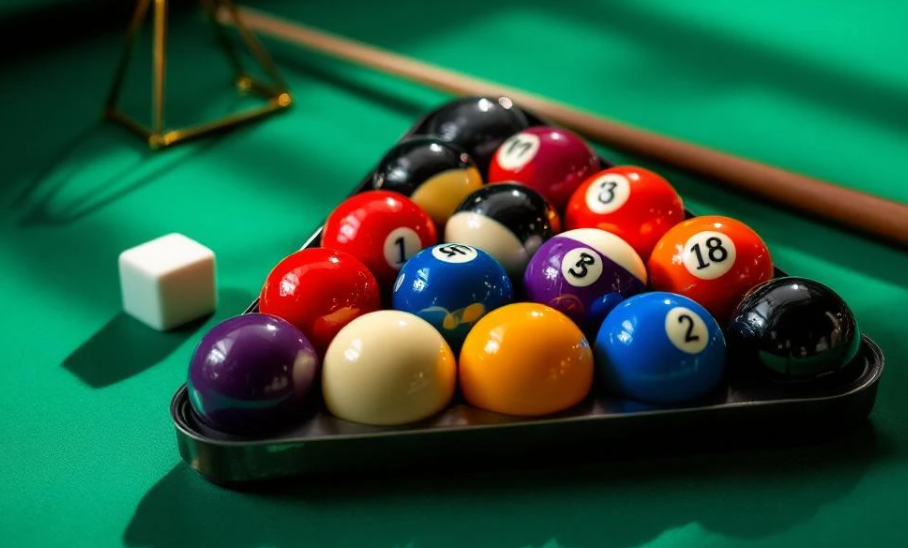
A standard English set includes 16 balls in total, split into 7 red, 7 yellow, plus the black 8-ball and the white cue ball. Premium professional sets may also include a carry case and maintenance accessories like a cleaning cloth and polishing solution, so you can keep the balls looking and playing their best.
Unlike American pool, which uses numbered solids and stripes, English pool relies on colour to tell the two sides apart, making it easier to spot your balls at a glance, even from across the table.
What Do the Colours Mean
In English pool, colour is how players and referees track who’s shooting for what. One player or team takes the reds, the other takes the yellows, and whoever pots their entire group first can then aim for the black 8-ball to win the frame. The cue ball, usually white and marked with spots, is the one ball never potted, at least not on purpose. It’s worth mentioning that some manufacturers also offer an alternative high visibility colour scheme featuring blue and yellow instead of red and yellow, while serving the same purpose.
A Few Words on the Magic 8 Ball and the Whitey
Does the black 8 ball really hold mystical powers? Yes, in a way. Sink it before it’s time, and the frame’s over, just like that. That kind of power over the outcome is probably why it’s taken on a life of its own, inspiring the novelty toy that “predicts” your future with a cryptic answer.
The whitey is the hardest-working ball on the table. It’s the only one that gets struck directly, so it takes more knocks, scuffs, and chalk marks than the rest. Together with the 8-ball, it’s usually the first to need replacing, which is why you’ll often find both sold separately if you need to swap out a missing or worn one.
Closing Thoughts
Now that you know a little more about pool balls and sets, you can shop with a clearer idea of what actually matters. And if you’re still not sure what to get, consult a retailer with hands-on, playing-first expertise.