
Solar panels do not usually keep your home powered during a blackout. That surprises many homeowners, because the panels may still be producing electricity when the sun is out.
The key issue is not whether the panels can generate power, but whether your solar system is designed to deliver that power safely when the grid goes down. Most standard residential systems are grid-tied, which means they depend on the utility connection and automatically shut off during an outage. However, some setups can continue supplying electricity, including systems with battery storage, backup inverters, or full off-grid designs. Understanding the difference helps you avoid false expectations and choose the right equipment if your goal is backup power during storms, outages, or emergencies.
Why Most Solar Panels Stop Working During a Power Outage
How Grid-Tied Solar Systems Respond to Outages
A grid-tied solar system is designed to work in sync with utility power at all times. The inverter matches the grid’s electrical signal and sends solar electricity into your home or outward to the utility lines. When the grid fails, that reference signal disappears. The inverter detects the disruption and shuts down almost immediately. This response is automatic and built into standard systems.As a result, the panels may still be collecting sunlight, but the electricity cannot be converted and delivered in the normal way. Your home does not automatically switch into solar-only mode unless the system includes backup-specific equipment. For most homeowners, a blackout means the solar array stops producing usable household power until the grid returns and the inverter restarts.
Why Safety Rules Require Automatic Shutdown
Automatic shutdown protects utility workers, emergency crews, and nearby properties. If a home solar system kept sending electricity onto damaged power lines during an outage, that energy could create a serious shock hazard for people repairing the grid. This risk is called backfeeding, and electrical codes are designed to prevent it.That is why approved grid-tied inverters use anti-islanding protection. In simple terms, anti-islanding means the system cannot keep operating as a small independent power source when the larger grid is down. Instead, it disconnects itself until stable utility power returns. These safety standards are not optional extras; they are fundamental requirements for legal residential solar installations. So when solar panels stop working during a power outage, the shutdown is not a flaw. It is a deliberate safety feature built to protect people and infrastructure.
When Can Solar Panels Keep Supplying Power?
Battery Storage and Backup Systems Explained
Battery storage gives solar energy somewhere to go when the grid is unavailable. Instead of shutting down completely, a compatible inverter can route solar power into a battery and draw from that stored energy to run essential loads. This setup creates a controlled backup system that can keep critical circuits operating after sunset or during passing clouds. The battery also smooths out changes in solar production, which is important during unstable weather.For homeowners, the most useful backup designs focus on essentials first: refrigerator, freezer, lights, phone charging, modem, and a few outlets. Larger systems can support more devices, but capacity planning matters. You need enough battery storage for nighttime use and enough solar production to recharge it during the day. A backup system should also include proper switching equipment so the home safely disconnects from the utility before supplying local power.
Off-Grid and Hybrid Solar Systems Compared
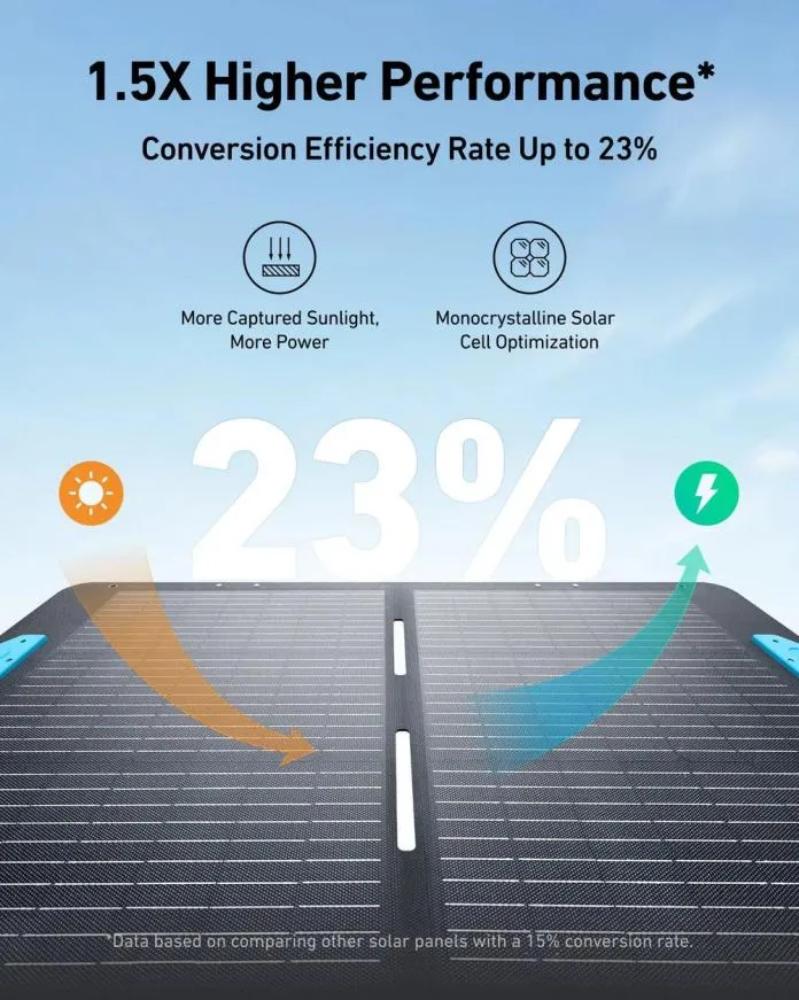
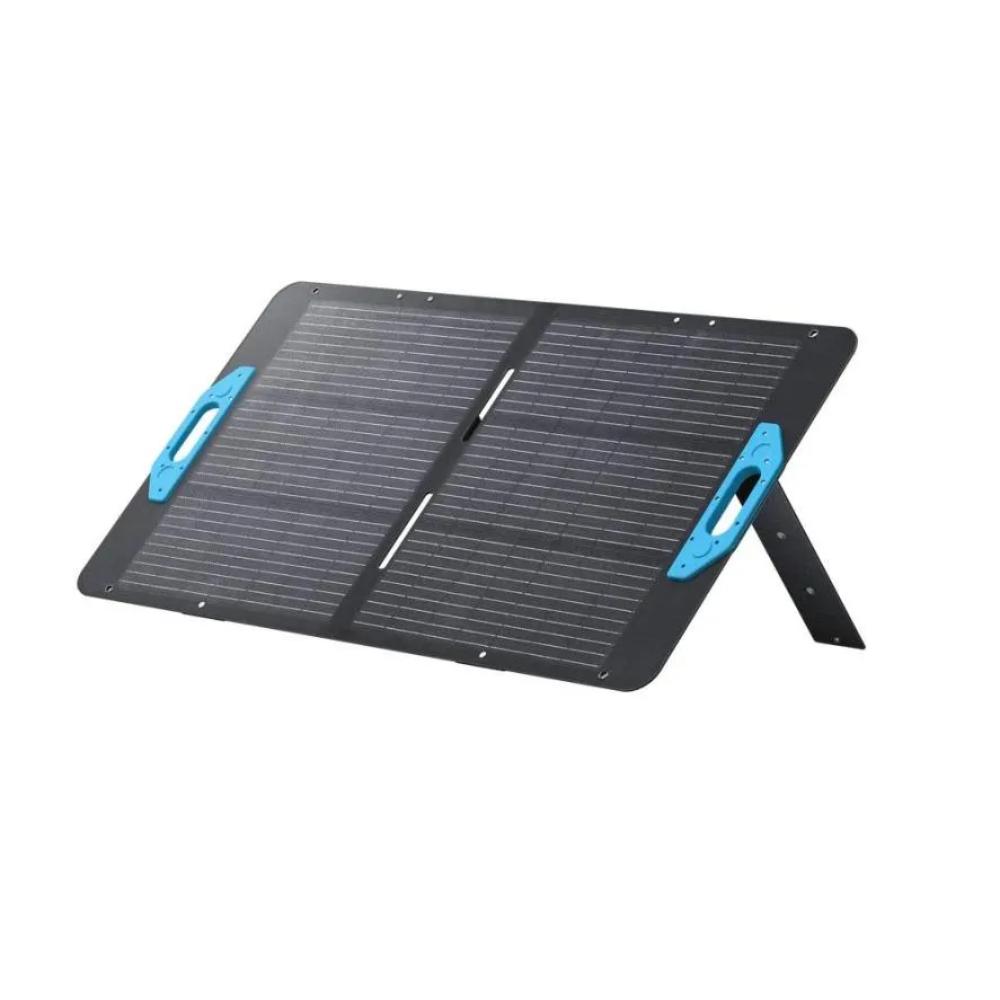
Off-grid systems are built to operate without utility service at all. They depend on solar panels, batteries, charge control, and careful energy management every day, not just during emergencies. Hybrid systems, by contrast, stay connected to the grid but include backup capability for outages. For many households, hybrid solar offers a practical balance between resilience and convenience.Portable solar can also play a role in emergency planning for smaller loads. The anker solix solar panel PS100 is designed for that kind of use, with a lightweight 7 lb foldable design, IP68 water and dust resistance, and a reinforced aluminium frame. It uses N-type cells with 25%+ conversion efficiency and dual-sided output that can deliver up to 10% more power in reflective areas. Those features make it useful for charging compatible backup power stations during outages.
How to Keep Essential Appliances Running During an Outage
Choosing the Right Solar Panels and Battery Capacity
Choose backup equipment based on your essential loads, not just on the total size of your home. Start by listing each appliance you want to run, its wattage, and how many hours per day it needs power. That gives you a realistic estimate of battery capacity and solar input requirements. A refrigerator, internet gear, lights, and phone charging need far less energy than electric heating, large cooking appliances, or whole-home cooling.Solar panel efficiency matters most when roof space or charging time is limited. Battery capacity matters most for overnight resilience. The best setup balances both, with enough solar production to recharge during daylight and enough stored energy to cover evening and early morning use.
Portable Solar Panels for Emergency Backup Power
Portable solar panels are a practical option for emergency backup when you need mobility, fast setup, and support for smaller devices. They do not replace a full home backup system, but they can keep essential electronics and compact power stations charged during an outage. This makes them useful for blackouts, evacuation kits, camping, and temporary shelter use.Look for panels that are easy to carry, durable in bad weather, and efficient in limited sun. Foldable designs simplify storage, while strong waterproofing helps in outdoor conditions. A portable panel works best when paired with a compatible battery or power station, since most household appliances cannot run directly from a panel alone. For emergency preparedness, portability and charging reliability are often more important than maximum size.
Conclusion
Solar panels do not automatically keep working during a power outage. In most homes, standard grid-tied systems shut down immediately for safety, even when the sun is shining. If you want solar power during blackouts, you need a system built for backup operation, usually with battery storage, a compatible inverter, and equipment that isolates your home from the grid. Off-grid and hybrid systems can do this, while basic grid-tied systems cannot.The most useful approach is to plan around essential loads first. Decide what absolutely needs to stay on, then size your solar and battery setup around that goal. Whether you choose a fixed backup system or portable emergency charging, the right design turns solar from a bill-saving tool into reliable outage protection.