LED light therapy is often associated with glowing skin, red light facials and blue light treatments for blemishes. However, one of the most interesting parts of the category is near infrared light. Near infrared is not always as visually obvious as red or blue LED because it sits just beyond the visible light spectrum, but it has become increasingly popular in professional skin, recovery and wellness treatments.
Near infrared light is often used when deeper support is wanted. While red light is commonly chosen for skin rejuvenation and blue light for blemish-prone skin, near infrared is discussed more in relation to deeper tissue support, recovery and wider wellbeing. This does not mean it should be presented as a cure or miracle treatment. It simply means it has a different role from visible LED wavelengths and is now being included in many professional systems.
People researching near infrared light therapy are usually looking for more than a standard facial. They may be interested in skin quality, recovery, inflammation support or general wellness. Some are drawn to the treatment after hearing about red light panels, athletes using light therapy, or clinics offering advanced LED systems. The growing interest reflects a wider shift towards non-invasive treatments that support the body rather than forcing dramatic change.
In professional clinics, near infrared is often combined with red light. This pairing is popular because red light is usually associated with the skin surface and visible rejuvenation, while near infrared is selected for deeper penetration. Together, they can form a more complete treatment for clients interested in both complexion support and deeper light-based therapy. The exact settings and protocol should depend on the device and the reason for treatment.
One of the main reasons near infrared therapy is appealing is that it is generally comfortable and does not require downtime. Clients do not have to deal with peeling, bruising or a recovery period. This makes it suitable for busy people who want to build the treatment into a regular routine. In a city setting, where time is limited, this is a major advantage.
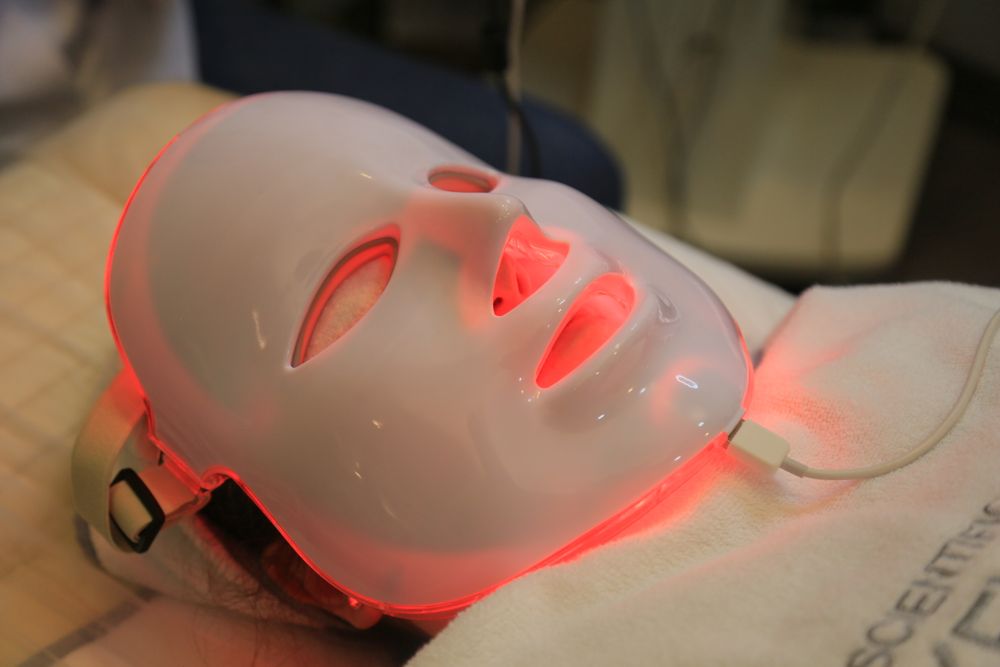
The treatment experience is usually simple. The client lies or sits near a professional LED system while the selected wavelength is applied to the target area. The session may feel warm or relaxing depending on the device, but it should not feel aggressive. Afterwards, clients can normally continue with their day. This simplicity is one reason light-based treatments have become easier for people to commit to.
Near infrared therapy has gained attention in wellness partly because people are now more interested in recovery. Many clients are no longer thinking only about appearance. They want to feel better, recover better and support long-term health habits. Light therapy fits into this trend because it feels modern, non-invasive and science-led. It also pairs well with other healthy routines such as exercise, sleep, hydration and sensible skincare.
From a skin perspective, near infrared may be included in programmes that focus on rejuvenation, texture, dullness and general skin support. It is not usually used on its own for every concern. Instead, it can be part of a broader LED plan that includes red or other wavelengths. A professional consultation helps decide whether near infrared is appropriate and how often it should be used.
Professional guidance matters because light therapy is often misunderstood. Online marketing can make it sound as though any panel will deliver the same benefits, but devices vary greatly. Wavelength accuracy, power output, treatment distance, session time and coverage all matter. A small low-powered device used inconsistently is not the same as a professional system used with a structured protocol.
Safety questions also matter. Even though near infrared therapy is non-invasive, clients should still be asked about relevant medical history, medication, light sensitivity, pregnancy and recent procedures. Some people may not be suitable for light-based treatments, or they may need medical guidance first. A responsible clinic should screen clients rather than treating everyone automatically.
Near infrared therapy is often attractive to people who do not want aggressive aesthetic treatments. They may not be interested in injectables, strong peels or laser resurfacing. They want something that supports the skin and body without creating visible downtime. This makes near infrared part of a broader move towards softer, more natural treatment plans.
It is also popular with people who already use red light at home but want something stronger or more targeted. Home panels have made the category more familiar, but many clients are unsure whether their device is powerful enough or whether they are using it correctly. Professional sessions can offer more confidence because the treatment is performed with clinic equipment and practitioner guidance.
Consistency is important. Near infrared therapy is usually best approached as a course rather than a single appointment. The body and skin respond better to repeated support over time. A clinic may recommend a series of sessions followed by maintenance, depending on the concern. This is similar to many non-invasive treatments where gradual improvement is more realistic than instant transformation.
The treatment can also complement other services. In some clinics, LED and near infrared are used after certain facials, with body treatments, or as part of recovery-focused sessions. The key is that combinations should be chosen carefully. Adding more treatments is not always better. The plan should have a clear purpose and be matched to the client.
Near infrared therapy also appeals because it is not gender-specific. Men and women both seek it out. Men may be particularly interested in the recovery and low-maintenance aspects, while women may be drawn to the skin and wellness benefits. In reality, both groups often want the same thing: a treatment that is easy to understand, comfortable to experience and not too obvious afterwards.
The language used to explain near infrared matters. Clients need clear, simple education. They should understand that it is a wavelength beyond visible red light, that it is used for deeper support, and that results vary depending on the device, protocol and consistency. Clinics should avoid overpromising or making medical claims that go beyond the treatment’s scope.
As the wellness industry grows, treatments like near infrared therapy will likely become more common. People are looking for ways to support their bodies that do not involve medication or invasive procedures. Light therapy is attractive because it feels clean, modern and easy to integrate into a routine. However, the best results still depend on choosing the right setting and following a proper plan.
Clients should also understand that near infrared therapy is not a replacement for medical care. If someone has significant pain, injury, illness or a diagnosed condition, they should seek appropriate medical advice. Light therapy can be supportive in certain contexts, but it should not be used to avoid diagnosis or treatment when something more serious is going on.
For skin and wellness clinics, near infrared offers a strong way to expand beyond traditional beauty services. It allows clinics to speak to clients interested in recovery, inflammation support, skin health and long-term maintenance. It also helps position LED therapy as more advanced than a simple glow facial.
Daily habits still influence results. Sleep, nutrition, stress, sun protection, hydration and skincare all affect the way the skin and body respond. Near infrared therapy works best when it is part of a broader lifestyle approach. Clients who expect a single session to undo poor habits may be disappointed, while those who use it consistently alongside sensible routines are more likely to appreciate its value.
Another reason for its popularity is the relaxing nature of the treatment. Many clients enjoy the quiet time during the session. In a busy lifestyle, even a short period of stillness can feel beneficial. While the main purpose is light-based support, the experience itself can also become part of a self-care routine.
The treatment’s rise also shows how beauty and wellness are merging. People no longer separate appearance from how they feel. They want treatments that help them look refreshed but also support recovery and general wellbeing. Near infrared sits neatly in that space, which is why interest continues to grow.
For anyone considering near infrared therapy, the best starting point is a consultation with a professional clinic. Ask what device is being used, what wavelengths are included, how many sessions are recommended and what results are realistic. Good clinics should give clear answers without making the treatment sound magical.
Near infrared light therapy is gaining attention because it offers something modern clients value: gentle support, no downtime and a deeper approach than surface-only beauty treatments. It is not a quick fix, but it can be a useful part of a structured skin, recovery or wellness plan. As clients continue moving towards non-invasive and natural-looking treatments, near infrared therapy is likely to remain an important part of the LED light therapy conversation.
Near infrared therapy also appeals to people who enjoy treatments that feel both modern and understated. It does not have the drama of a strong peel or the immediate visual impact of an injectable. Instead, it works quietly as part of a longer-term support routine. This suits clients who prefer natural-looking maintenance and are more interested in how their body and skin function over time than in chasing a sudden transformation.
The wellness market has also helped bring near infrared into mainstream conversation. People are more aware of recovery, inflammation, sleep, stress and the way daily habits affect appearance. A treatment that sits between beauty and recovery naturally attracts attention. Near infrared therapy can be positioned within this wider self-care movement, provided clinics remain sensible with their wording and avoid making unsupported medical promises.
Professional treatment is particularly valuable because the details matter. The wavelength, power, distance from the skin, treatment time and frequency all affect the experience. Online panels and home devices may be useful for some people, but they can also create confusion. A clinic can simplify the process by selecting the correct protocol and explaining what the client should expect from a course. This guidance is often what clients are really paying for.
Near infrared therapy can also be useful for clients who want a treatment that is easy to maintain. Because there is usually no visible downtime, sessions can be repeated without disrupting work or social plans. This makes it easier for clients to follow a recommended course rather than giving up after one appointment. In many non-invasive therapies, compliance is a major part of results, and comfort makes compliance easier.
As interest grows, the most trustworthy clinics will be those that communicate clearly. They will explain that near infrared is a deeper wavelength, that it is often combined with red light, and that it should be used consistently for best results. They will also explain when the treatment is not suitable and when medical advice is needed. This balanced approach is what separates professional light therapy from hype and helps clients make informed choices.
For fashion, beauty and lifestyle audiences, near infrared therapy is especially interesting because it does not sit neatly in one category. It can be discussed as skin support, recovery support and modern wellness at the same time. That makes it relevant to people who care about how they look but also care about energy, training, stress and long-term maintenance. It reflects a more rounded view of self-care.
The treatment also fits the demand for services that feel premium without being invasive. Clients are increasingly cautious about procedures that create visible downtime or change their appearance too much. Near infrared therapy offers a quieter alternative. It can be performed as part of a course, used alongside red light and repeated without making the client feel as though they are taking a dramatic step.
In the long term, education will decide how well the treatment is understood. Clients need to know that near infrared is not simply a stronger version of red light; it has its own wavelength range and purpose. When clinics explain this properly, the treatment becomes easier to trust. Clear communication helps clients see why it may be worth choosing a professional session over an impulse purchase of a random light device online.