
The clothing industry is driven by creative choices and intense audio settings. Designers, creators, and runway workers spend hours in loud settings that strain their ears. Many style professionals focus on visual textures and color palettes, neglecting their physical health.
Protecting your ears deserves the same attention you give to choosing high-grade textiles or supplies. Staying aware of your environment helps sustain your creative career for decades.
The Hidden Noise Risks On The Runway
Runway exhibitions depend on loud music to establish a specific emotional mood for the audience. You can learn more here about tools to manage your auditory well-being if you spend hours around loud sound systems. Backstage spaces match that high energy with roaring hair dryers, steaming equipment, and loud production crews. Take early steps to control your daily sound exposure and protect your long-term workspace comfort.
Stylists spend hours near large sound monitors during rehearsals and live presentations. Such gatherings present sudden spikes in audio levels that put pressure on your eardrums.
The Dangers of Cumulative Ear Strain
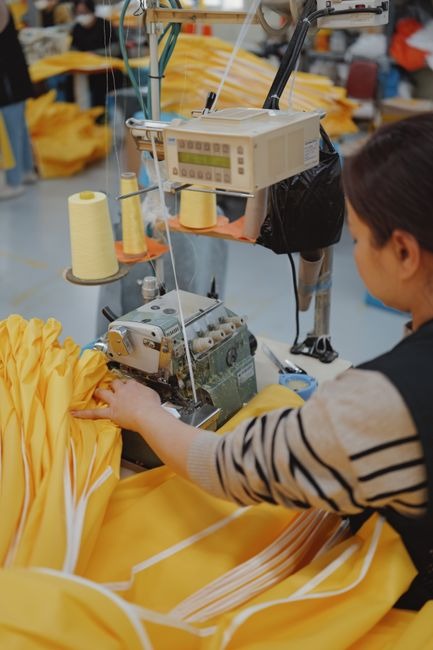
Working in a busy design laboratory or cutting warehouse involves continuous sound exposure. Audio output from large industrial sewing tools and electric cutters builds up during long work shifts. Medical research highlights that exposure to sounds above 70 decibels over an extended period can cause permanent harm to your inner ear. Ordinary tasks can slowly damage your senses without causing immediate physical discomfort.
If hearing difficulties begin to affect daily communication, seeking a professional hearing assessment can help determine the most suitable treatment options, while understanding the price of hearing aids also allows you to plan for long-term hearing care with confidence.
Many workers fail to notice the gradual decline in their hearing capacity. Subtle changes show up as a light ringing sensation after leaving the studio. Ignoring these minor symptoms can lead to severe communication issues later in life.
Long-Term Trends In Auditory Well-Being
Failing to address early warning signs of auditory fatigue can be the start of serious professional difficulties. There is a major increase in sensory difficulties across all types of manufacturing jobs. Nearly 2.5 billion individuals will live with varying degrees of auditory impairment by the year 2050. Practicing preventive measures helps you remain active in the creative community.
Younger professionals entering the style market face risks due to personal audio habits. Listening to loud music through headphones during the operation of machinery doubles the strain on your eardrums. Developing proper habits early in your career protects your personal health throughout your life.
Simple Ways To Protect Your Senses
You can protect your ears without sacrificing your personal appearance or professional networking abilities. Custom acoustic filters fit comfortably inside the canal and lower high-volume music without ruining the clarity of speech. Sound-induced sensory damage is entirely preventable when people use proper ear protection consistently. Investing in high-quality earplugs keeps you safe during runway presentations, high-energy concerts, and noisy studio sessions.
Protective gear comes in clear styles that remain invisible to the casual observer. You can wear small devices during high-profile fashion events. Choosing protective tools shows a deep commitment to maintaining a sustainable career in the creative arts.
Fabric Selection And Studio Mechanics
Large-scale weaving looms and spinning apparatus generate continuous sound waves that bounce off hard studio walls and concrete floors. Many employees use personal earbuds to mask the ambient shop noise, but this habit can accidentally increase the total sound pressure on their eardrums. Selecting noise-dampening wall treatments can make a shared workshop much safer for every artisan present.
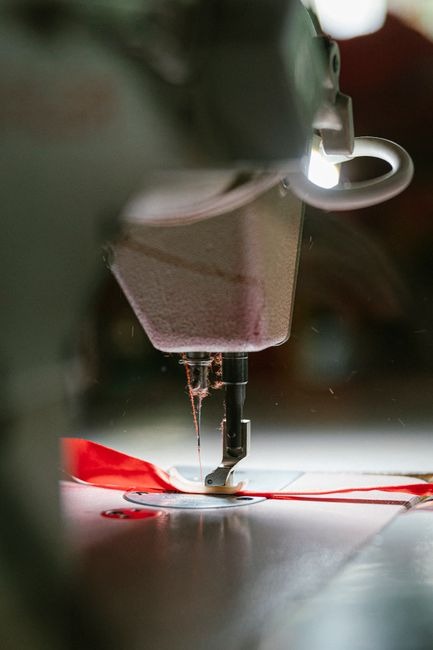
Heavy fabrics like wool and denim require strong motor power to stitch together properly. Stronger motors create greater noise levels that can exhaust your ears after hours of constant work. Structuring your workshop to isolate these machines protects your staff from sound strain.
Practical Steps For Design Teams
Creating a healthier workspace can be achieved through small, deliberate adjustments to the daily routine.
- Position loud fabric-cutting devices away from the primary sketching tables to establish quiet zones
- Install heavy rubber pads beneath industrial machinery to minimize the vibrations traveling through the floorboards
- Arrange scheduled quiet hours during the afternoon to allow staff members to rest their ears completely
- Implementing these basic studio adjustments protects the long-term physical health of every creative mind on your payroll
Providing free ear protection near the main workshop entrance encourages employees to take safety seriously. Clear signage reminds everyone to protect their hearing before operating heavy textile gear. Management teams should lead by example, wearing protective plugs whenever visiting active manufacturing floors.
Investing in your sensory health supports your long-term success as a fashion leader. Clear hearing allows you to collaborate effectively with fabric suppliers, production assistants, and high-profile clients.
Maintaining excellent auditory health allows you to enjoy the creative world of style for many years. Your ears deserve the same care and attention that you give to every other part of your creative portfolio. Making small modifications today keeps your senses sharp for every future design challenge.