
AN fittings are standard inclusions in any car primed for the track. These are custom fixtures that ensure leak-free connections in brake, fuel and cooling plumbing, connecting parts such as high-pressure fuel injectors, high-flow coolant lines and steel-braided brake and clutch lines.
They’re preferred in motorsport use for their high reliability, easy servicing and durability, often built from lightweight aluminium or stainless steel. The materials are necessary to withstand the extreme heat and pressure typical in demanding track use, ensuring flow consistency in high-octane fuels, synthetic oils, and race-approved glycol – and vehicles that rev freely, change gears smoothly and provide consistent braking performance.
Maintaining and servicing these connections and plumbing lines is done with specialised automotive tools, including assembly vices and aluminium AN wrenches. These simplify assembly, fitting removal and provide secure, leak-free connections. The tools shorten servicing times, prevent unwanted fitting damage, and ensure proper torqueing in parts vital to faster lap times.
Aluminium AN Wrenches
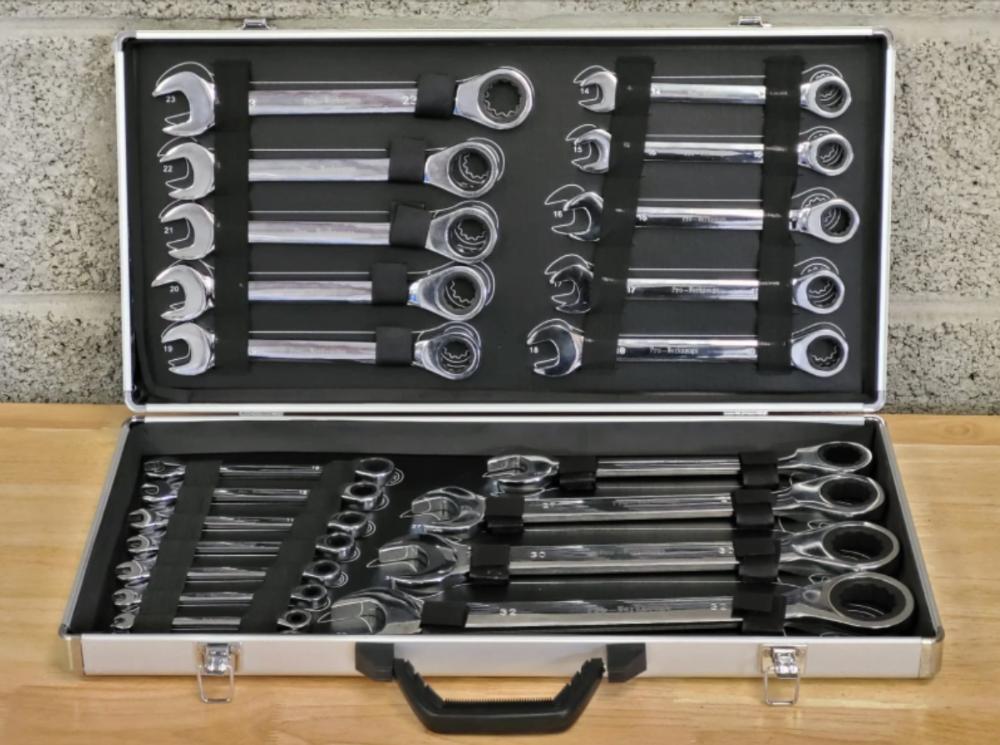
Fundamental tools in racing pits are a dedicated set of AN wrenches. These replace standard wrenches made of heavy-duty forged chrome vanadium steel, which can instantly gouge, scratch and deform softer aluminium AN fittings. Beyond aesthetics, standard wrenches can prevent inaccurate torquing, leading either to under-torqued fittings and subsequent leaks, or stripped fitting threads caused from over-tightening.
AN wrenches are machined from high-grade aluminium, providing the same hardness as the fittings and preventing marring or scratches. Their anodised surface finishes rule out corrosion and wear when working with corrosive race fuels, such as ethanol, methanol and glycol-ether brake fluids. Moreover, the wrenches are sized to exact AN dimensions with precision-machined jaws, ensuring maximum contact surface and eliminating play. The shorter handles additionally prevent over-torquing.
Choose sets in sizes from -3 to -12 AN. Smaller sizes are seen in brake and clutch plumbing, medium (-6 to -10 AN) wrenches are used in fittings connecting turbo wastegates, high-flow fuel systems and engine oil lines, while larger -12 AN wrenches provide adequate torquing in custom dry sumps and main oil lines. Sets are also colour-coded, ensuring easy identification and faster pit lane repairs.
Hose Assembly Vice Jaws
Some of the marring and gouging issues in race fittings start during hose assembly. To protect fittings when connecting them to hoses, mechanics use specialised bench vice jaws.
Made of softer materials, including billet aluminium, nylon or durable polymers, and featuring machined grooves specifically sized to cradle the round bodies of AN fittings and hoses, vice jaws secure fittings and connections to vices with strong embedded magnets, preventing surface damage or slippage. Additionally, they have angled pockets that allow them to be used with fittings in all sizes, ranging from -3 to -32 AN.
Key benefits include no surface or structural damage – specifically eliminating deformation to the hex heads responsible for leaks and pressure and fluid losses, and simplified, hands-free hose assembly, with the fitting locked securely in the jaws. Properly aligned connections and faster assembly, especially when compared to standard steel vices, also provide the performance consistency for demanding motorsport applications. Core uses include reusable fuel and oil hose fittings, as well as braided brake lines and general motorsport plumbing.
Hose Cutters
High-performance motorsport hoses are made of a variety of materials. PTFE (Polytetrafluoroethylene) hoses have smooth inner cores and braided outers and are common in fuel lines, high-heat engine bay applications and routing lines through cabins and cockpits.
Steel-braided CPE (chlorinated polyethylene), with reusable swivel and non-swivel AN fittings, is common in fuel and oil lines, as well as engine cooling systems. Both are difficult to size without damaging or fraying the inner cores or outer braids. This is where specialised automotive tools such as hose cutters come into play.
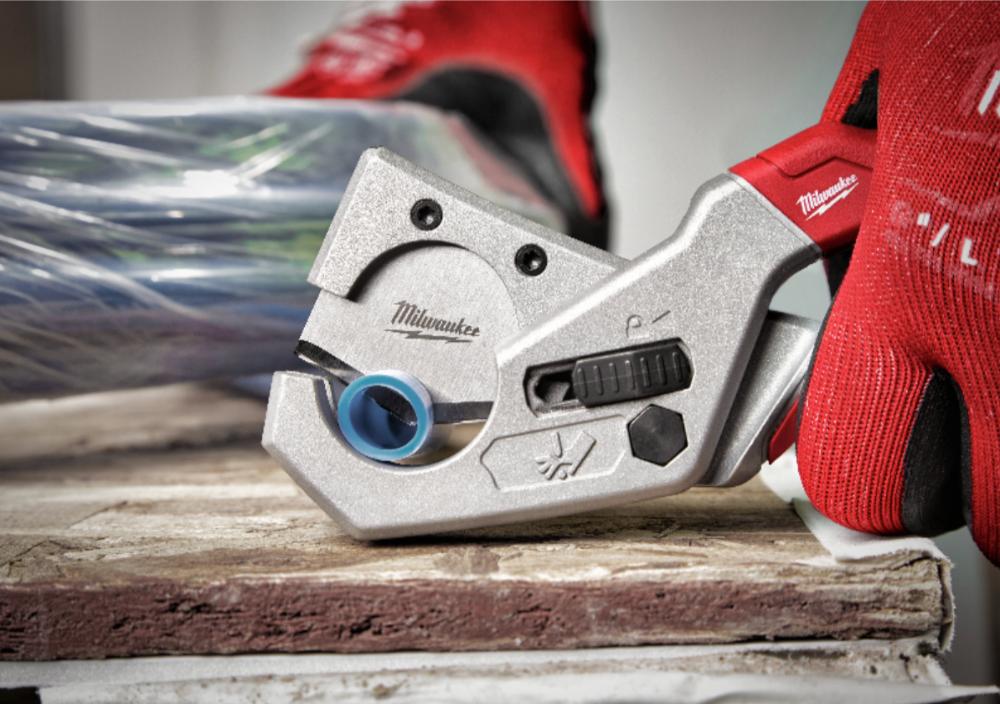
Cable-style shears provide one of the cleanest and most efficient ways to cut braided stainless steel or nylon motorsport hoses. They feature crescent-shaped shearing jaws in hardened tool steel or tungsten alloys that encircle the perimeter of the hose and ensure 360-degree cutting pressure.
This is exerted when closing the ultra-long handles and an internal mechanical pivot to generate thousands of pounds of shearing force. To ensure cutting precision, shears are fitted with ultra-sharp bypass blades that slide in a scissor-like manner past one another. This eliminates side-to-side play and prevents single steel braids from slipping through uncut.
The shears are preferred over cutoff wheels or grinders due to better contamination control, without eroding the inner rubber cores or generating excessive dust and metal shavings. They also provide instant results, able to cut through hoses of various diameters without extensive tool setup. And ensure outer braids are left intact, with limited flaring or fraying. That they’re hand-operated and don’t require a nearby mains or gas connection also goes in their favour, especially in fast-paced settings like pit lanes.
General Hose and AN Fittings Tips
Achieving secure, clean and leak-free automotive plumbing connections is straightforward when done with the right equipment and tools. Use magnetic vice jaws to get a stable grip without crushing or scuffing the soft aluminium body in AN fittings. These ensure that fittings won’t spin or slip when applying AN fitting wrenches in assembly or removal.
This is only part of the procedure. Get clean hose cuts using dedicated cable-style cutters. The tools provide faster and cleaner results through braided stainless steel or nylon than comparable grinders or chisels, preventing stray wires or metal shavings that can potentially cause mechanical issues in connected components.
Lastly, choose a dedicated set of AN wrenches or an adjustable AN spanner in common motorsport sizes (-3 to -12 AN) for enhanced versatility. These rule out surface damage such as gouging and scratching, are sized to exact AN dimensions and balance fitting and plumbing durability, aesthetics and performance with accurate torque tolerances.