
Many establishments now go for dark and moody in the name of creating ambiance, and I understand the appeal, candlelight, or the warm penumbra cast by a dimly lit bulb, flatters everyone and hides a multitude of sins. But I hate to tell you, darlings, it’s not ambiance if you can’t see the menu, it’s a pain in the… well, you know where.
Unless you’ve deliberately booked Dans Le Noir, in which case not seeing a thing is rather the point, nobody wants to spend the first ten minutes of dinner hunched over a phone torch, face lit from below like a campfire ghost story, ignoring the people they came with.
And that’s before you’ve attempted the dessert menu several glasses deep, when you can see three versions of a spoon you were sure there was only one of.
Thankfully, The Pem has found the sweet spot. Tucked inside the Conrad London St James in Westminster, the dining room is dark enough to feel intimate and a little bit glamorous, yet light enough that I could read every word of the menu without borrowing anyone’s reading glasses. I was there with friends, a table of eight no less, which in my experience is the ultimate stress test for any kitchen and front of house.
For a little context, The Pem takes its name from Emily Wilding Davison, the suffragette known to her family as “Pem”, and it is now in the hands of Romy Gill MBE, a chef who has spent years championing the regional cooking of India, from the comfort of Punjab and the street food of Bengal to the coastal spice of Kerala and the kitchens of Rajasthan and Kashmir. It’s her first permanent kitchen since Romy’s Kitchen in Thornbury closed in 2019, and having now eaten there, London is all the luckier for her return.
Dining with a severe nut allergy usually means I lead a slightly nervous interrogation before anything reaches the table, so it was a genuine pleasure to have the staff get there before me. They were proactive and consultative from the off, and I never once felt like a problem to be managed. My glass of Soave was continually topped up, which is either a sign of meticulous service or a dangerous one, depending on how you’re getting home.
My one quibble is that the team spoke rather quietly, and in a busy restaurant, with eight people talking over each other, I caught perhaps half of what was said and found myself nodding along to descriptions of dishes I hadn’t fully heard. A notch more volume and it would be faultless.
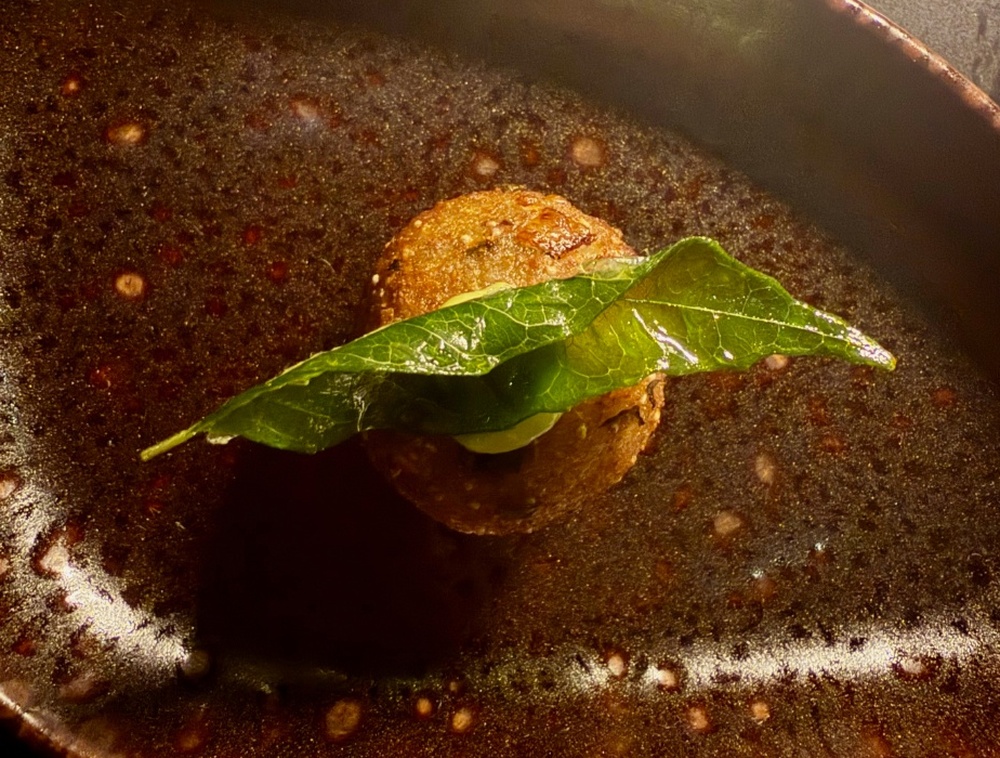
The food, though, did all the talking it needed to. We were started off with a mini potato amuse-bouche, a single golden, crumb-crusted bite sitting alone in a speckled stoneware dish with a glossy curry leaf draped over the top like a tiny green cape, which did exactly what it should and whet the appetite for what followed.
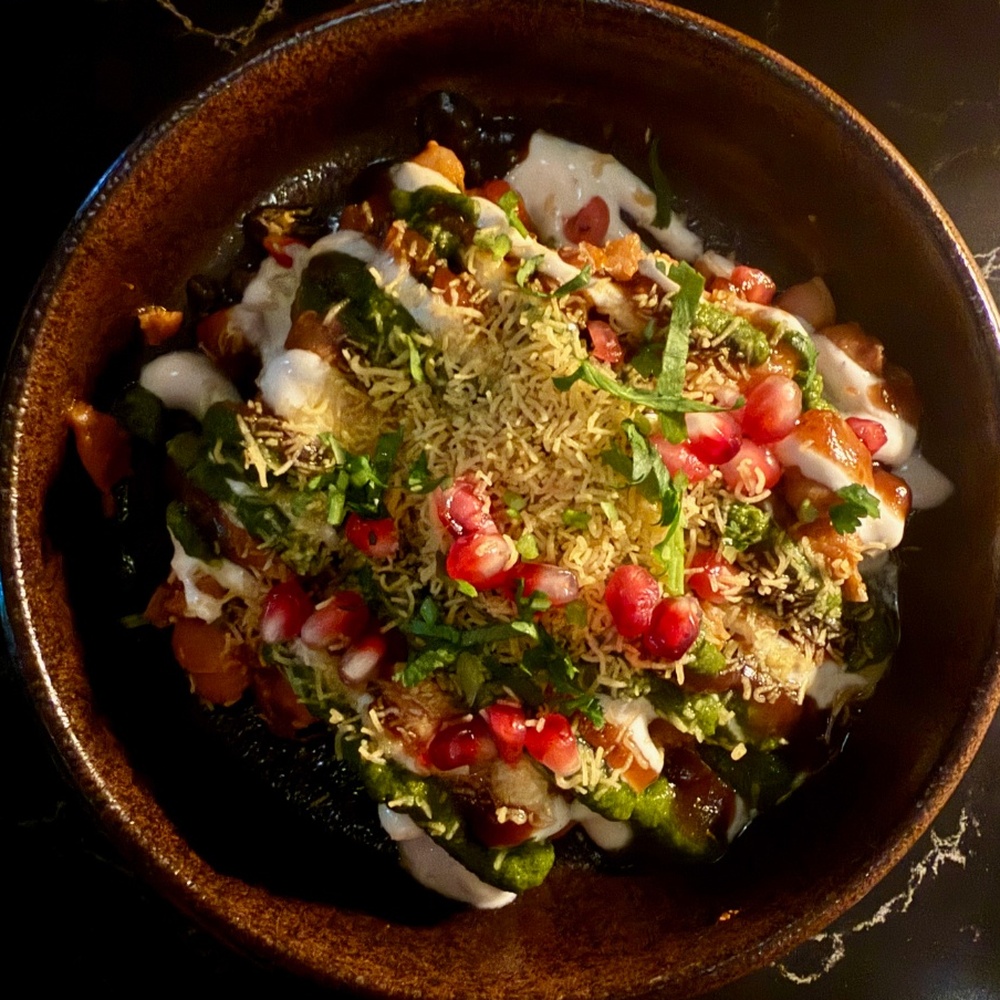
My samosa chaat came in a deep bronze bowl, the crisp samosa buried beneath spiced chickpeas, yoghurt, mint and coriander chutney and tamarind, then finished with a nest of sev, a dusting of chaat masala and pomegranate seeds scattered over the top like little rubies, so you get sweet, sour, crunchy and soft all in the same forkful. Next came the Orkney hand-dived scallop, pan-fried and sat on a sharp kasundi chutney with green chillies and mustard seeds, which gave it a proper kick without drowning out the sweetness of the scallop.
Then came the Sukoon paneer, marinated in spiced yoghurt and served in an onion, ginger and green chilli gravy, which I would share a photo of, apart from the fact I was far too excited and prematurely ate it. Just imagine something elegant and finessed. Every plate was so beautifully presented it felt a shame to disturb it, though not so much of a shame that I didn’t. The spicing is fiery, make no mistake, but it is so well balanced that the heat builds rather than bullies, and I must say I used every last bit of available stomach space and would happily have found more.
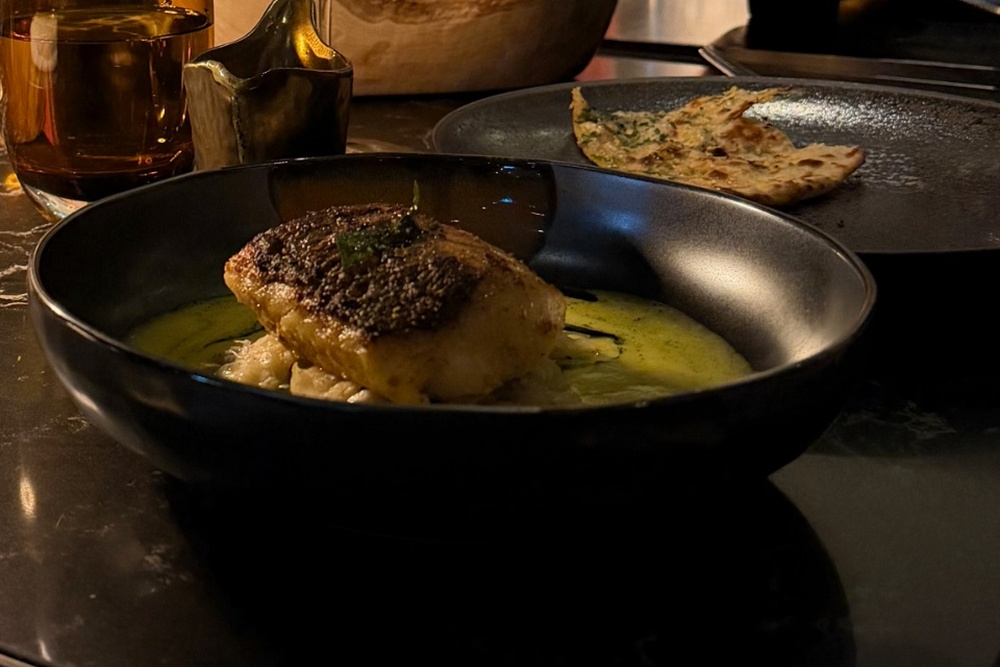
Across the table, my friend’s hake moilee, pan-fried and bathed in a light coconut and curry leaf broth, looked divine, as did the butter chicken, chargrilled and served in a creamy tomato and cashew sauce, for those of you who can stomach cashews. Elsewhere, the table worked its way through octopus, prawn masala, gobi and no fewer than three orders of the anardana lamb, which says plenty, with flatbreads, rice and raita doing the rounds in between.
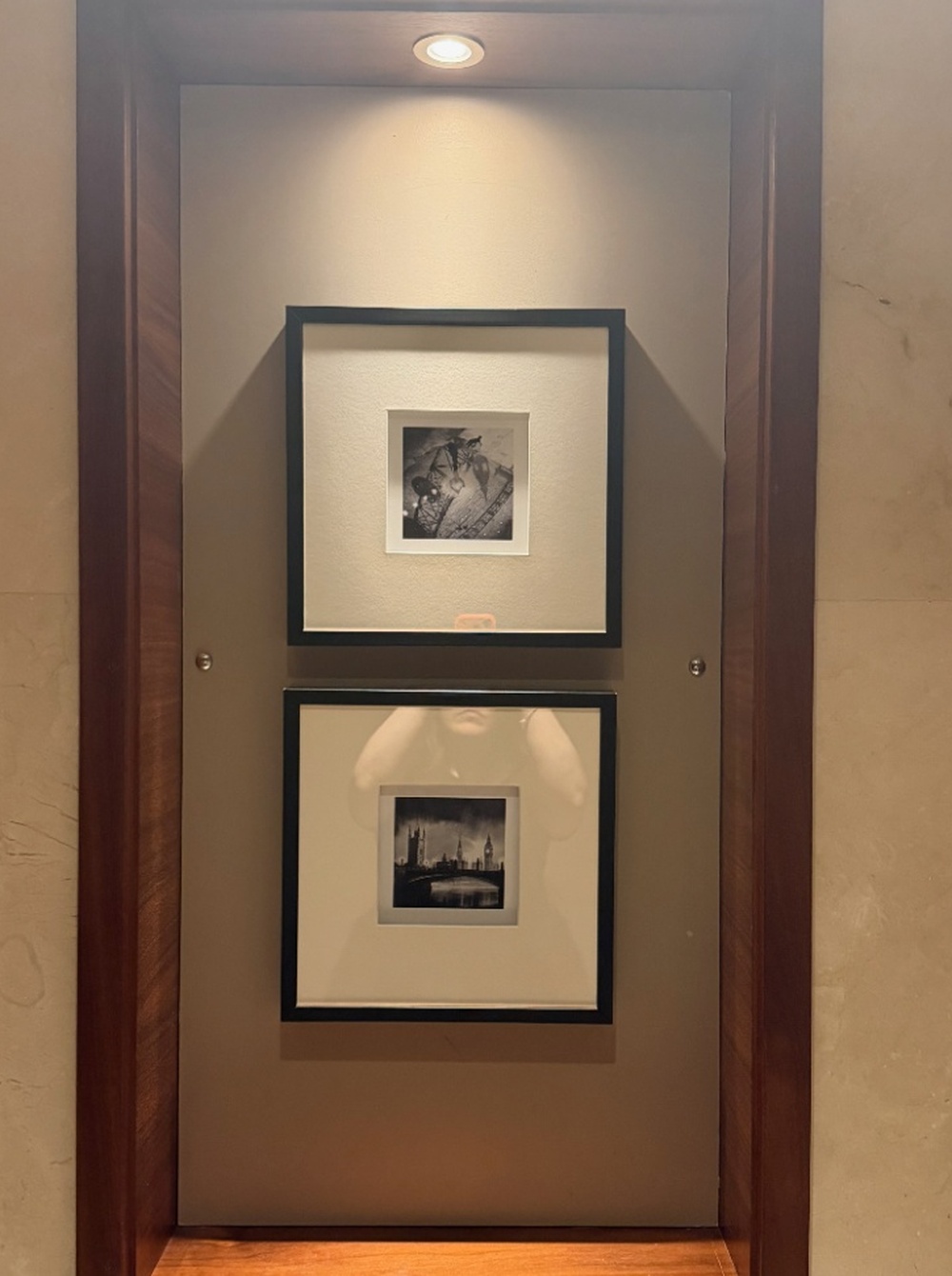
I also tend to judge an establishment by its bathroom, and whether anyone has bothered to make it interesting or beautiful, so I was thrilled to find a little art in el baño. It’s a small visual pick-me-up that goes a long way, and it saves me having to whip out Duolingo.
It is spenny, there’s no getting around that. But if you have an occasion worth marking, or simply want to remind yourself what Indian food can be when someone this skilled is at the helm, I couldn’t recommend it enough. I’ll be back, ideally with a slightly smaller table and a slightly larger appetite.
Until next time. Pass the paneer.
For more info visit www.romygillatthepem.com