
A strong independent fashion label starts with a clear creative point of view and a practical plan for turning sketches into saleable pieces. Before investing in a full collection, you’ll need to test your concept, understand production costs and decide how the business will operate.
This guide to launching a fashion brand also explores the planning and production decisions involved in bringing a label to market. The early decisions may feel less exciting than a lookbook shoot, but they give your designs a far better chance of finding an audience.
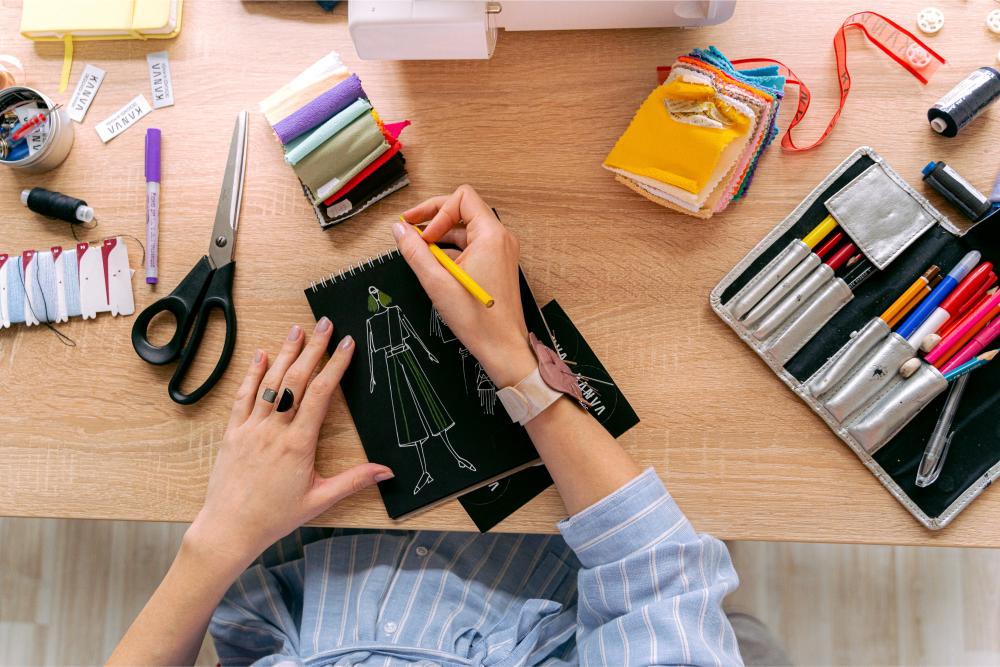
Image Credit: Pexels
Defining a Distinctive Signature Aesthetic
Write down three qualities that every piece should express, such as sculptural, playful and relaxed. Use these words to assess fabric choices, silhouettes, colours and styling. This keeps the collection coherent without making every garment look alike.
Create a reference board, then remove any image that reflects a passing trend more than your own perspective. A useful clothing line guide can help you connect this creative work with practical decisions about customers, pricing and production.
Test the concept through a small capsule of four to eight pieces. If they look convincing together on a rail and can form several outfits, you’re building a recognisable visual language.
Sourcing Ethical Fabrics and Reliable Samples
Ask fabric suppliers for details about fibre content, origin, minimum order quantities and certifications. Request swatches before buying sample metres, then test them for shrinkage, colour transfer, pilling and comfort. A beautiful fabric that changes shape after one wash can quickly create returns and unhappy customers.
Sampling also exposes problems that drawings can hide. Give your pattern cutter or manufacturer a precise technical pack with measurements, construction notes and labelled sketches. Wear-test each sample through normal movement and record every alteration in writing.
Treat the numbers seriously from this stage. A fashion business guide can help frame decisions around production, pricing and launch preparation before you commit to larger quantities.
Formalising the Brand Through Company Registration
Choose a business structure once the label moves beyond informal testing and towards taking orders, signing supplier agreements or paying contractors. If you’re setting up a UK limited company, UK company registration can be handled through an online formation service such as ANNA, which also offers a business account and optional administrative support.
Before filing anything, confirm the proposed company name, registered address and director details. Keep the company name separate from the customer-facing label if that gives you more flexibility for future product lines.
Open dedicated financial records from day one. Save invoices, sample charges, postage costs and payments to freelancers in clearly named monthly folders. This simple habit makes cash flow easier to understand and prevents personal spending from becoming tangled with collection costs.
Building Digital Hype Ahead of Collection Drops
Start sharing the collection before every garment is finished. Close-up fabric shots, fitting clips and pattern-cutting details give followers a genuine view of the process without revealing the entire range. Aim for a consistent visual mood across your website, social channels and email sign-up page.
Set a realistic release date, then plan content backwards for four to six weeks. Introduce the collection theme first, reveal key pieces gradually and publish clear information about sizing, prices and delivery shortly before launch.
Email remains useful because you control access to the audience. Offer subscribers early viewing or a short pre-order window. Watch which posts earn saves, replies and website visits, as those signals can indicate the products people are seriously considering.
Protecting Original Designs and Trademarks Early
Keep dated sketches, technical packs, sample invoices and email discussions in an organised archive. These records can help establish how and when a design developed if a dispute occurs. Agreements with photographers, illustrators and freelance designers should also state who owns the finished work and where it may be used.
Search for similar brand names before printing labels or packaging. Trademark protection varies by territory and product category, so specialist legal advice may be sensible before applying or expanding overseas. Domain names and social handles deserve an early check too.
Once those foundations are secure, focus on the first drop you can produce well. Ten carefully costed garments delivered on time will say far more about your label than an ambitious collection that never reaches the rail.