
It’s no longer necessary to have a workshop, or even have a team of goldsmiths, to launch a jewelry brand. The great majority of the biggest labels in the world today started with an idea, a defined target audience, and, of course, a dependable production partner who could convert ideas into finished products. Suit this model is stainless steel. It is sturdy, inexpensive, and popular with consumers who wish to have jewelry that will last for a long time. If you are creating a private label collection from scratch, this is a practical idea to follow.
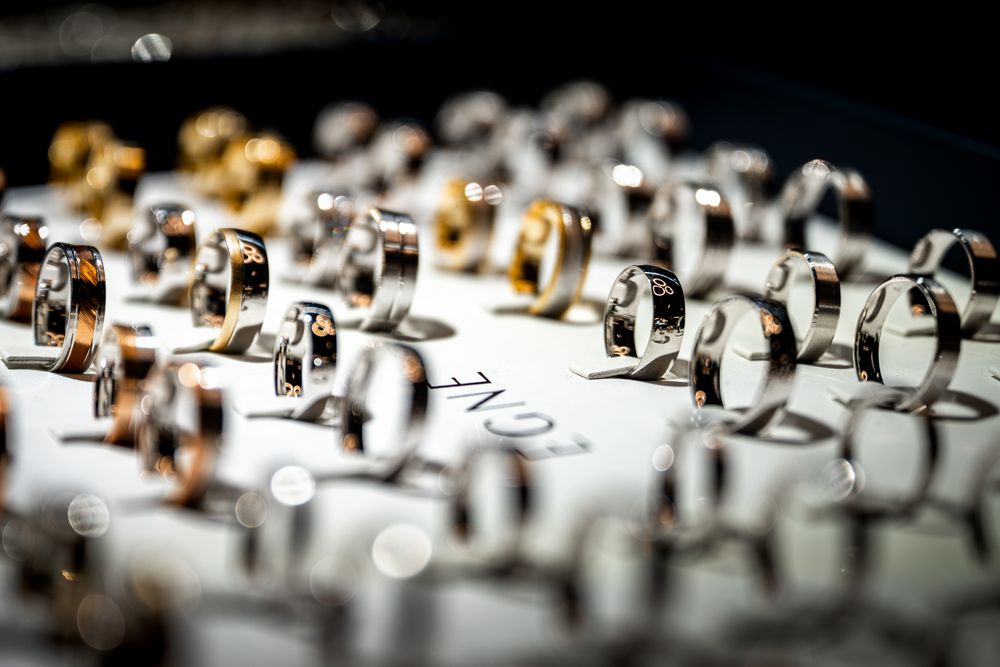
Why Stainless Steel Works for Private Label Brands
The range of stainless steel chains and plain bands has progressed from simple to sophisticated. Today, customers are looking for a streamlined, chic, and durable look that will withstand the rigors of everyday use. And it does.
It does not tarnish, rust, or scratch easily, so a necklace you wear through a workout or a rainy commute will still look as good as when you first put it on. It’s also hypoallergenic in its higher grades, a factor of concern for those with sensitive skin. This isn’t just good for customers; it’s good for the brand owner as well – fewer complaints, fewer returns, and better reviews. Those make a name for themselves quicker than any ad campaign.
Start with Your Audience, Not Your Product
The worst error new brands can commit is that of creating what they like, rather than what their customers desire. You need to answer a few questions before approving any sample.
Who is your buyer? A college student who’s after trendy layering pieces will require one thing totally different from an expert looking for minimalist day-to-day jewelry. At what price will they settle? Where will you be selling: your own online store, Amazon, boutiques, or pop-up markets?
Keep short customer profiles by creating and keeping customer profiles written and handy; All decisions made regarding the design should go back to them, from the thickness of the chain to packaging. When you have a clear audience, your branding is clearer too, and that is what sets you apart from a generic listing.
Choose the Right Steel Grade
There are many different types of stainless steel, and this is where many beginners go wrong. Grades are a measure of the appearance, feel, and durability of a piece of work.
316L is the most sought-after grade of jewelry brands. It is also low-carbon and contains molybdenum, providing the material with excellent corrosion resistance, and for this reason is also used in medical and marine applications. Lower grades might appear fine during the first few days, but could discolor or irritate skin later. Request quotes; be sure to ask suppliers to verify the grade and supply material test reports. A trustworthy factory will present them without any hassles.
Build a Focused First Collection
Don’t rush into 100 designs. A focused initial booklet is simpler to create, less hard to sell, and much less dangerous to your hard cash circulation.
Try to get between 15 and 30 core pieces from a couple of categories. These include rings, bracelets, necklaces, and earrings, which are a good foundation. Combine some of your bestsellers, like chain necklaces, huggie hoops and signet rings, with a handful of unique pieces that showcase your brand’s personality. Consider how pieces match up, as buyers enjoy creating a look and will purchase multiple pieces.
Pick the same finish as well. There are several different colors, including gold, rose gold, black, and brushed matte, each having a different effect. Consistency with a single or double finish adds to the collection’s cohesiveness.
Understand MOQs and Customization Options
MOQs are one of the primary issues for new brands on tight budgets. A 316L stainless steel jewelry manufacturer can provide much more flexible runs, while some factories need hundreds of units per design and don’t support startups. Talk about this beforehand so there won’t be a surprise.
It’s also essential to be aware of customization options. Common options include:
- Personalised logos or laser marking
- Name-brand pouches, boxes and hang tags.
- Different sizes, lengths, or clasps
- Exclusive designs according to your own pictures.
Private label doesn’t always mean “all original design” as of day one. Many brands start off by adding their logo and packaging to popular designs, and slowly put out exclusive designs as demand increases.
Prioritize Quality Control and Compliance
A new brand can be quickly destroyed if there are quality issues. If you have one rough edge or loose rock, you will create bad reviews that remain online for years.
Inquire about how prospective partners conduct their inspection. Check for checks throughout the process, such as the raw material, the middle, and the final check. Get samples prior to bulk orders, and try them out yourself. Put them on, wash them, and pull at the clasps.
Compliance is important too if you’re selling in Europe or North America. Some products, like those that release nickel, are banned because of standards, and many retailers require a third-party test report. You can save money from costly customs delays if you confirm that your supplier understands these requirements.
Evaluate Manufacturing Partners Carefully
Your supplier is likely to be your most important choice when it comes to branding. Don’t just go by the price list. Think about how fast the communication will be, the quality of the samples, production capacity, and problem-solving capabilities.
A proper partner should be able to explain things in a clear manner, provide design ideas, and provide you with information about timelines. Inquire about sample and bulk production lead times, and reorder management. Repeat orders are the basis of a sustainable business, so you want a factory that will be the same quality each time.
For this, try to begin with a small trial order first. It allows you to test the reliability before scaling up.
Plan Your Branding and Launch
The jewellery has to have a story to it. It can be something simple that fits your daily budget, or it could be a more daring streetwear statement or a minimalist style that will stand the test of time. Then share that message through your logo, packaging, product photographs, and website copy.
Invest in well-composed and clean photographs with scale, texture, and wearability. Jewelry is a close-up sale, and customers rely on photos. Apply honest descriptions that include the steel type, finish & care instructions. Transparency is the key to trust, which is the key to repeat customers.
Final Thoughts
It takes research, patience, and the right partners to build a stainless steel jewelry collection from scratch, but it’s easier than it’s ever been. Get to know the audience, demand quality materials, stick to a single round of collections, and work with a manufacturer that “thinks as you think. Then you will have a building block for a private label brand that will increase year after year.