
Liquid blush and powder blush create color on the cheeks in very different ways. The main difference comes down to texture, finish, and how each formula sits on the skin.
Liquid blush usually melts into the complexion for a fresher, more skin-like effect, while powder blush adds color with a smoother, often more polished surface finish. Application also feels different, since liquids are pressed or blended in and powders are swept on with a brush. Understanding these differences helps you choose the right blush formula for your skin type, makeup style, and daily routine.
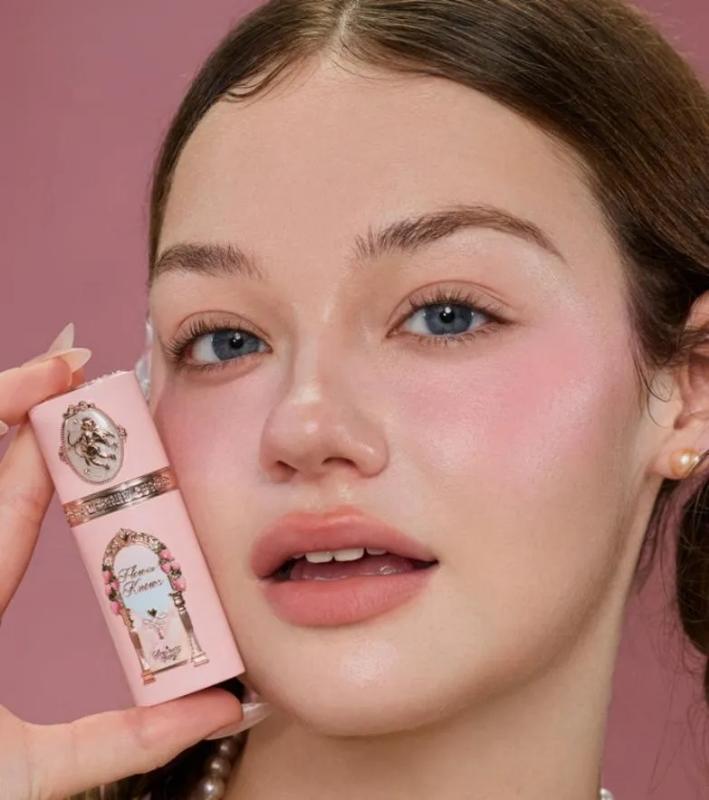
Liquid Blush Features That Create a Fresh Makeup Finish
Lightweight Texture and Buildable Color for Natural Looks
Liquid blush stands out for its fluid, lightweight texture, which helps color blend into the skin instead of sitting heavily on top. This creates a softer, more natural-looking flush that resembles healthy skin rather than obvious makeup. Many liquid formulas are also buildable, so you can start with a sheer layer and add more intensity without making the cheeks look dry or chalky. FlowerKnows Strawberry Cupid All Day Glow Liquid Blush fits this profile well, with a lightweight, hydrating, and blendable formula designed to deliver fresh color that lasts from morning to night. Infused with amino acids and hydrating ingredients, it also helps keep skin feeling smooth, soft, and comfortable throughout wear.
Dewy Finish and Easy Blending for Modern Makeup Styles
A key reason people choose liquid blush is the finish. Liquid formulas often leave a dewy or radiant effect that gives the cheeks a healthy, fresh appearance. This makes them especially popular in modern makeup styles that favor glow, dimension, and skin-like texture. Because the formula stays movable for a short time after application, it is usually easy to blend with fingertips, a sponge, or a brush. That flexibility helps soften edges and create a seamless transition between blush and foundation. Liquid blush also works well when layered with cream or liquid complexion products, since it integrates smoothly and keeps the overall makeup look cohesive and fresh.
Powder Blush Benefits for Smooth and Long-Lasting Color
Soft Powder Texture for Controlled Application and Layering
Powder blush offers a soft, dry texture that gives you more control during application, especially if you prefer to build color gradually with a brush. Instead of spreading quickly across the skin, powder blush tends to stay where you place it, which makes shaping and layering easier. This controlled application is useful for creating anything from a subtle everyday wash of color to a more defined cheek look. Powder formulas also pair well with set foundation and finishing powder, helping the makeup surface stay smooth and even. For many users, powder blush feels straightforward and predictable, which makes it a reliable option when speed, precision, and consistency matter in daily makeup application.
Matte and Velvet Effects for Different Makeup Preferences
Powder blush is often chosen for the finish it creates. Many formulas deliver matte or velvet effects that reduce shine and give cheeks a refined, polished look. This can be especially appealing if you want makeup that looks smooth rather than glowy. Matte finishes work well in classic makeup styles, while velvet textures offer softness without looking flat. Powder blush can also help balance the overall complexion when the skin already produces noticeable oil or when the rest of the makeup has a satin or matte base. Because it does not add as much surface shine, powder blush often reads as cleaner, more structured, and easier to maintain throughout long days or formal events.
Liquid Blush vs Powder Blush: How to Choose the Right Formula
Match Blush Formula With Skin Type and Desired Makeup Finish
Choosing between liquid blush and powder blush becomes easier when you focus on skin type and the finish you want. Liquid blush usually suits normal to dry skin very well because it adds a fresher, more hydrated look and blends smoothly over creamy base products. It is a strong choice if you want radiant, natural-looking cheeks with a skin-like glow. Powder blush often works especially well for combination or oily skin because it helps maintain a smoother, less shiny finish. It is ideal if you prefer a matte or velvet effect with more visible structure. If your goal is freshness, choose liquid. If your goal is polish and control, choose powder.

Consider Application Skills, Occasion, and Makeup Routine
Your application habits and daily routine also matter when picking a blush formula. Liquid blush is excellent if you enjoy blending with fingers, sponges, or dense brushes and want a fresh finish that looks effortless. It works especially well for quick everyday makeup, no-makeup makeup, and looks built around glow. Powder blush is often easier for people who prefer traditional brush application and want clear control over placement. It also suits occasions where a polished, set complexion matters, such as workdays, events, or long wear in warm conditions. If you like fast blending and a modern sheen, choose liquid. If you want precision, easy touch-ups, and structure, choose powder.
Conclusion
Liquid blush and powder blush differ most in texture, finish, and application experience. Liquid blush gives cheeks a fresh, blended, skin-like look with a natural glow, while powder blush offers controlled placement and a smoother matte or velvet effect. If you want radiance, hydration, and seamless blending, liquid blush is the better fit. If you prefer precision, layering with a brush, and a more polished finish, powder blush makes more sense. The right choice comes from matching the formula to your skin type, makeup style, and routine. Once you know your preferred finish, choosing between the two becomes much simpler.