
A long-lasting eye look starts with the right technique, not just the right color story. If your eyeshadow fades, creases, or loses intensity after a few hours, small changes in preparation and application can make a noticeable difference.
The best makeup eyeshadow palette tips focus on creating a smooth base, choosing suitable tools, layering textures properly, and locking everything in place. Whether you prefer soft daytime definition or a more dramatic finish, these practical steps help your eye makeup stay fresh, blended, and vibrant for longer without looking heavy or overdone.
Prepare Your Eyes Before Applying Eyeshadow for Better Wear
Create a Smooth Base to Help Eyeshadow Stay Longer
Start with clean eyelids so oil, skincare residue, and leftover makeup do not interfere with wear. After cleansing, apply a lightweight eye primer or a thin layer of concealer, then set it lightly if your lids tend to crease. This step gives powder shadows something to grip and helps color apply more evenly. If your under-eye area is moisturized, keep richer creams away from the lid itself to prevent slipping. A smooth, balanced base also makes blending easier and reduces patchiness later. Before opening your eyeshadow palette, check that the lid surface feels dry, even, and ready for product. Good preparation is the fastest way to improve staying power.
Choose the Right Eye Makeup Tools and Application Methods
The tools you use affect both color payoff and wear time. The right makeup eyeshadow palette can also influence how easily you build and maintain your desired eye look, especially when paired with suitable brushes and application methods. A flat, dense brush works best for packing shadow onto the lid because it presses pigment into place instead of sweeping it away. A softer blending brush helps diffuse edges without removing too much product. For shimmer shades, your fingertip or a slightly damp brush often creates better adhesion and stronger impact. Keep brushes clean, since buildup of powder and oils can lead to uneven application. Use pressing motions first, then blend only where needed. This method keeps the base intact and prevents muddy color. Controlled application gives your eye makeup a cleaner finish and better longevity all day.
Use Eyeshadow Palette Colors and Textures for Longer-Lasting Looks
Layer Matte, Shimmer, and Glitter Shades Correctly
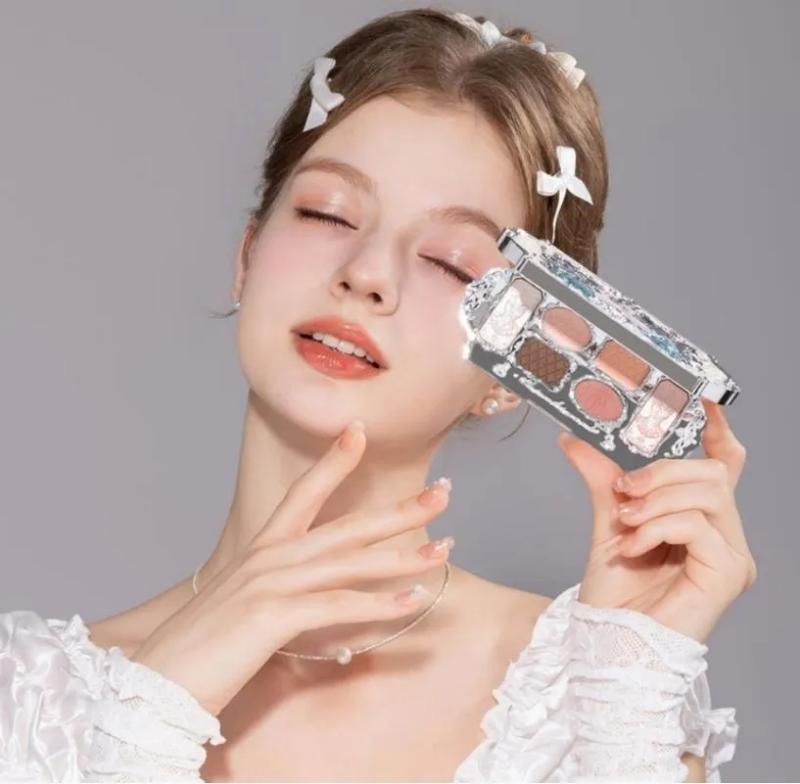
Different textures perform best when they are layered with purpose. Apply matte shades first to define the crease, deepen the outer corner, and create structure that anchors the rest of the look. Then place shimmer on the lid where you want light and dimension, pressing it on rather than swiping. If you use glitter accents, add them last in small amounts so they sit on top instead of mixing into matte tones. The FlowerKnows Swan Ballet Six-Color Makeup Palette features six versatile shades, including soft, buildable mattes and dazzling shimmer accents, making this order especially easy to follow. Proper texture placement helps shadows stay distinct, bright, and polished for longer wear.

Build Color Gradually for Better Pigmentation and Less Fading
Applying too much eyeshadow at once often leads to fallout, uneven blending, and faster fading. A better approach is to build color in thin layers. Start with a light wash of shadow, then add depth exactly where you want more intensity. This technique helps pigment adhere more evenly and allows each layer to settle into the base instead of sitting loosely on top. It also gives you more control over symmetry between both eyes. When working with deeper shades, tap off excess product before applying so color stays concentrated and clean. Gradual layering creates richer payoff without heaviness, and it keeps your finished eye makeup looking smooth, balanced, and longer lasting.
Improve Eyeshadow Longevity With Smart Makeup Application Tips
Blend Carefully While Keeping Color Intensity
Blending improves the overall finish, but overblending can dull your eyeshadow and shorten wear. Focus on softening edges rather than moving product all over the lid. Use small circular motions only at transition points, and return with a packing brush if any area loses depth. Holding your brush near the end of the handle also helps keep pressure light and controlled. If colors begin to look muddy, stop blending and redefine each placement zone before continuing. Clean separation between lid, crease, and outer corner maintains dimension and makes the look last longer. Thoughtful blending preserves brightness, prevents patchiness, and gives your eye makeup a polished appearance from morning to evening.
Add Finishing Steps to Protect Your Eye Makeup Throughout the Day
Final steps make a visible difference in how long your eye makeup stays fresh. After finishing your shadow, gently dust away any fallout so loose particles do not smear later. Add eyeliner only after the eyeshadow is complete, which keeps lines crisp and avoids disrupting blended areas. If you wear mascara, let it dry fully before blinking normally to prevent transfer onto the lid. A light mist of setting spray over the full face can help reduce powderiness and support longer wear without soaking the eye area. For touch-ups, carry a cotton swab and a small brush instead of piling on more product. Simple finishing habits protect your work effectively.
Conclusion
Long-lasting eye makeup comes from a series of smart, simple choices. Prepping the lids, using the right tools, layering textures in the correct order, and blending with control all help your eyeshadow stay smoother and brighter for hours. Building color gradually also improves pigmentation while reducing fading and patchiness. Once you finish with protective final steps, your look holds up better through the day. Use these eyeshadow palette tips consistently, and your makeup will look more polished, more even, and easier to maintain, whether you prefer soft definition or a bold statement eye.