
Fashion has a habit of raiding the private wardrobe and hauling it into public view. Underwear becomes outerwear, sportswear becomes streetwear, and the bedroom, it turns out, has been quietly supplying the high street with ideas for longer than most people realise. Pyjamas are the latest category to complete this journey, but calling it new somewhat misses the point. The story is considerably older and more interesting than a recent trend piece would suggest.
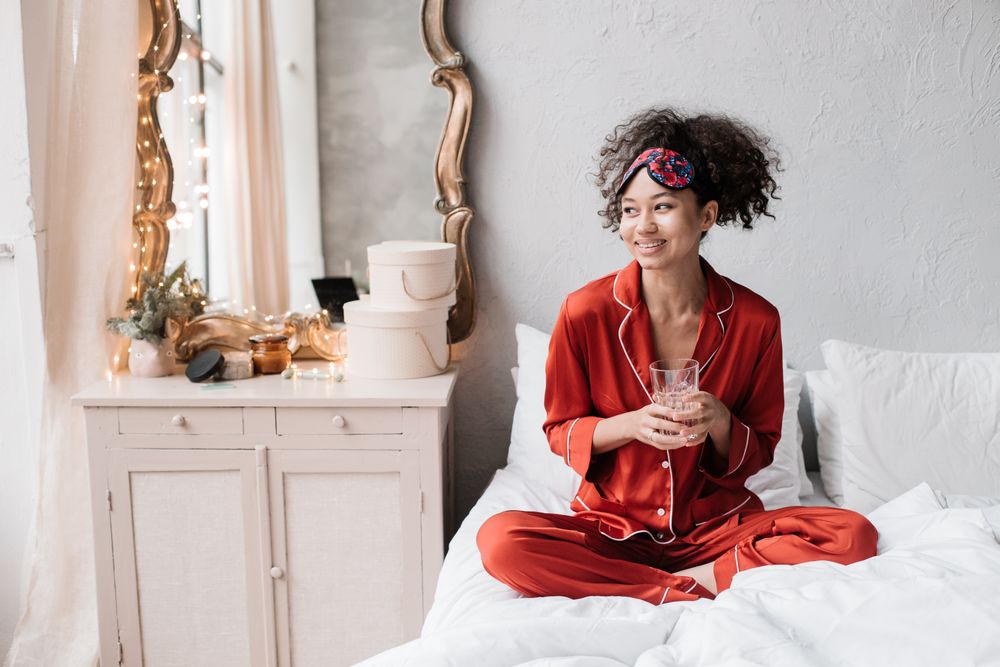
The current moment, where a silk pyjama set gets styled with heels for dinner or a coordinated lounge set makes it to a fashion week front row, is actually the latest chapter in a cycle that has been running for nearly a century.
The First Time Pyjamas Left the Bedroom
The crossing of pyjamas from private to public space happened first in the 1930s, when wide-legged versions became acceptable beach and leisure wear for women with a certain kind of social confidence. Evening pyjamas followed, appearing at informal dinners and parties as an alternative to formal dress. Vogue described them at the time as a heavenly way to dress for small dinners and dancing, which gives you a sense of how completely the garment had shed its purely domestic identity within just a few years of appearing in women’s wardrobes.
The trend resurfaced strongly in the late 1960s, when trouser silhouettes were pushing their way into settings that had previously excluded them. Evening pyjamas offered a way to wear trousers in formal contexts while remaining unimpeachably elegant. Christian Dior, under Marc Bohan, was producing fall collections that included pyjama-influenced eveningwear as a significant category.
The ASU Fashion Design Museum has documented this history in detail, tracing how pyjamas moved from bedroom to beach to ballroom across several decades, each resurgence driven by a slightly different cultural moment but following the same underlying logic: comfort and elegance are not opposites.
What Changed in the Current Cycle
The most recent resurgence has a different character from previous ones. Earlier iterations were primarily about the aesthetic of pyjamas, the wide leg, the silk, the languid silhouette borrowed for social occasions. The current shift adds a functional dimension that previous cycles did not have.
Wellness culture’s growing emphasis on sleep quality created a parallel market for sleepwear engineered around what the body actually needs at night. Breathable fabrics, moisture management, temperature regulation: suddenly there was a serious technical conversation happening inside a category that had mostly coasted on comfort and nostalgia. Those who want to read more about what this looks like in practice, particularly in terms of cooling and moisture-wicking nightwear, will find the category has developed considerably beyond standard cotton sets.
That functional credibility changed how people valued their sleepwear. Something you had invested in properly, chosen for specific performance reasons, was no longer a garment to hide in a drawer. The step from valuing it privately to wearing it with some visibility in public was a short one.
The Pandemic as Accelerant
By the time the pandemic collapsed the boundary between home and public life, the groundwork had already been laid. Remote working, video calls, the disappearance of the daily commute: these things did not create the appetite for comfort dressing, they simply gave everyone permission to stop pretending it did not exist.
What emerged from those two years was not a temporary concession to comfort but a permanent recalibration of how many people relate to their wardrobes. The logic of maintaining strict categories between what you wear at home and what you wear in the world felt, after the experience of 2020 and 2021, somewhat artificial. Pyjamas and their near neighbours, the loungewear set, the silk slip, the oversized linen co-ord, slotted naturally into this reordered thinking.
Where Designers Have Taken It
The fashion industry’s response confirmed what the street had already decided. Prada sent pyjama-influenced looks down the runway. The Row produced fluid nightgown silhouettes as part of collections that commanded serious critical attention. Sleeper, a brand built entirely around the idea that sleepwear deserves the same design investment as outerwear, attracted a following that reads more like a cult than a customer base.
What connects these varied expressions is a shared understanding that the category works precisely because it does not try too hard. The appeal of pyjama dressing is that it signals ease without signalling indifference. Getting that balance right requires thought, which is exactly why the best versions of the look feel considered rather than accidental.
The Enduring Logic
There is a reason pyjamas keep returning to fashion’s attention across different eras and cultural contexts. The garments carry an association with rest, with private life, with the self that exists when there is no audience. Wearing them publicly, or wearing garments that invoke them, is a way of bringing that ease into visibility. It says something about priorities that resonates differently in different historical moments but tends to resonate nonetheless.
Whether the current cycle continues or eventually recedes into something else, the cycle itself is likely to keep turning. The bedroom has always had good ideas. Fashion will keep borrowing them.