
Britain offers a rare combination of cinematic heritage and varied landscapes that suit long, flexible road trips. From rural villages to coastal routes and historic cities, film locations across the UK allow travellers to connect familiar screen moments with real places. These journeys work best when travel plans account for distance, access, and changing terrain rather than rushing between highlights.
For families and groups travelling with mobility requirements, preparation shapes the experience. Narrow lanes, remote viewpoints, and historic settings often require reliable transport and realistic pacing. When travel logistics support comfort and access, film-inspired road trips become both practical and enjoyable rather than restrictive.
Why Film Location Road Trips Suit Accessible Travel
Film locations tend to cluster around recognisable regions. This allows travellers to base themselves in accessible towns while making shorter, manageable day trips. Many popular filming sites now provide improved paths, accessible parking, and visitor facilities designed to support a wider range of needs.
Road travel also offers control. Timings remain flexible, rest breaks stay frequent, and weather changes do not disrupt fixed schedules. For visitors planning routes around historic villages, countryside estates, or coastal filming spots, this flexibility supports a calmer and more inclusive travel experience.
Planning Transport for Film Location Routes
Transport planning plays a central role when mapping film locations across Britain. Rural filming sites often sit beyond direct rail access, while city locations require vehicles that handle congestion and restricted streets. In these cases, wheelchair accessible vehicle hire supports safe, consistent travel between locations without reliance on limited public transport options.
Route planning should group nearby sites to reduce fatigue and unnecessary mileage. Selecting accommodation close to accessible roads and services simplifies daily journeys and allows more time at each destination. This approach suits multi-day trips that combine countryside and city filming locations.
London’s Film Heritage and Urban Access
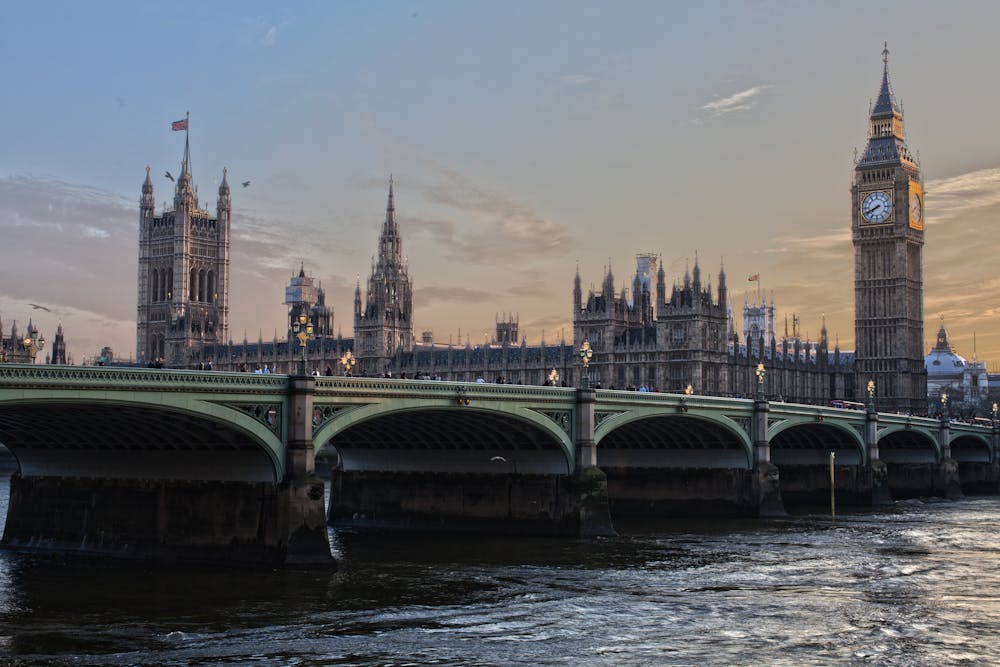
London remains one of Britain’s most recognisable filming cities. Its streets, stations, and riverside areas appear across British and international productions. Many central locations now provide step-free access, wide pavements, and nearby parking facilities that support visitors using mobility aids.
Areas around King’s Cross, the South Bank, and parts of Westminster offer level routes and accessible facilities. While congestion and traffic controls require careful timing, planning journeys outside peak hours helps reduce pressure and improves arrival conditions at popular filming sites.
Scotland’s Cinematic Landscapes
Scotland’s film locations often balance dramatic scenery with practical access points. Highland routes allow drivers to enjoy long views from roadside pull-ins rather than relying on walking trails. Visitor centres near filming landmarks frequently provide accessible toilets, parking, and sheltered viewpoints.
Locations linked to major film productions attract year-round visitors, which has encouraged ongoing infrastructure improvements across Scotland. Many historic landmarks featured on screen now provide accessible facilities, parking, and visitor centres, as shown by sites filmed at our sites that balance preservation with public access. Choosing bases in towns with reliable services allows travellers to explore surrounding filming areas without daily long-distance drives.
Wales and Northern England on Screen
Wales and Northern England feature filming locations that combine coastal access, historic towns, and wide open spaces, with many well-known sites documented through film and television locations in Wales that remain open to the public. Cardiff’s central areas offer smooth surfaces and accessible attractions linked to television productions, while coastal routes across South Wales support relaxed pacing with regular stops.
Northern England locations benefit from compact town layouts, where historic castles, harbours, and moorland settings increasingly provide adapted access routes and staff support, though planning around quieter periods remains important at older sites where terrain limits full accessibility.
Preparing for Accessible Road Travel
Preparation reduces uncertainty on film-focused road trips. Vehicle collection times, handover checks, and route familiarity matter more than tight schedules. Allowing buffer time for loading, rest breaks, and unexpected delays supports a steadier pace.
Accommodation choice also influences daily travel, particularly at historic filming locations where layout and surface conditions vary, with broader national trust accessibility initiatives supporting more consistent access planning across heritage sites.
Researching location-specific access remains essential. Historic filming sites vary in layout and surface quality. Direct contact with visitor teams clarifies which areas remain accessible and where assistance is available on arrival.
Managing Longer Journeys and Changing Conditions
Britain’s weather affects rural and coastal routes more than city travel. Rain, wind, and reduced visibility influence stopping points and road surfaces, which makes understanding the best time to visit the UK an important factor in managing comfort and safety during longer road journeys.
Longer routes benefit from planned service stops rather than continuous driving. Visitor centres and towns linked to film tourism usually provide facilities suited to extended breaks. This structure helps manage energy levels across multi-day trips.
Creating a Balanced Film Travel Experience
Film location road trips work best when travel remains part of the experience rather than an obstacle. Access-focused planning allows visitors to engage with landscapes, architecture, and film history without pressure. Reliable transport, realistic routing, and informed preparation support enjoyable journeys across Britain’s most recognisable filming locations.
When accessibility forms the foundation of planning rather than an afterthought, film-inspired travel becomes more inclusive and sustainable. Britain’s screen heritage remains open to exploration when journeys respect both place and personal mobility needs.