
A modern home doesn’t have to mean stark white walls, expensive designer furniture, or a complete renovation. Often, the details that make a room feel dated are also the easiest ones to change.
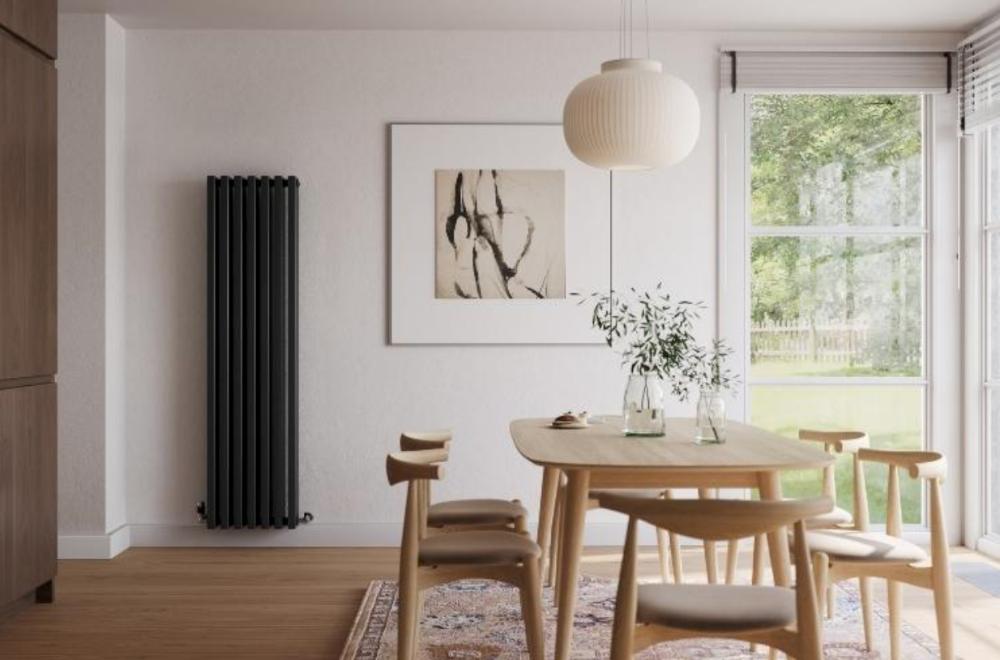
From rethinking your heating to switching tired hardware, a few considered updates can make your rooms feel fresher without stripping away their personality. Here are seven practical places to start.
1. Rethink Your Radiators
Radiators rarely get the same attention as sofas, lighting or flooring, yet their size and position can have a noticeable effect on a room. An older horizontal radiator can take up a substantial stretch of wall, limiting where you place furniture and making an otherwise updated interior feel less considered.
Changing the shape can be particularly useful when floor and wall space are tight. UK Radiators offers upright radiators that use vertical wall space rather than stretching horizontally across it. This format can work well on narrower sections of wall, including spaces where a conventional wide radiator may prove awkward.
Think about the radiator as part of the room rather than something you automatically need to disguise. A simple contemporary design can sit comfortably alongside modern furniture and cleaner architectural details.
Just remember that appearance isn’t the only consideration. Any replacement radiator needs to provide suitable heat output for the room, so factor in practical heating requirements before deciding on dimensions or style.
2. Replace Tired Handles and Hardware
Kitchen cabinets, wardrobes and internal doors can look older than they are when their handles have started to date. Replacing the hardware gives you a relatively contained project with very little disruption.
Simple bar handles, understated knobs and neat lever handles tend to suit contemporary interiors, but pay attention to proportion. Oversized hardware can overwhelm small cupboard doors, while tiny handles may look lost on large drawers.
You don’t necessarily need to replace every fitting in the house. Concentrate on one room and create some consistency there first. If your kitchen cabinets remain in good condition, for example, changing the handles could give them a fresher appearance without the expense and waste of replacing the units.
Take measurements before buying anything. Choosing new handles with the same fixing centres as the existing ones can save you from filling old holes and drilling new ones.
3. Refresh the Colour Scheme
Colour trends come and go, so chasing whichever shade happens to be fashionable can leave you redecorating again sooner than expected. Instead, look at the room as a whole and remove colours that make it feel visually heavy or disconnected.
Warm whites, soft neutrals and muted earthy shades can create a calmer backdrop for artwork, furniture and decorative pieces. Darker colours can also look striking in modern homes when you use them with intention rather than covering every surface without considering the available light.
Paint samples deserve more than a quick glance in the shop. Test them on different walls and check them in daylight and under your evening lighting. A colour that looks warm beside a sunny window can appear noticeably different in a darker corner.
You can also modernise a room without repainting every wall. Updating one dominant colour and repeating it subtly through cushions, ceramics or artwork can pull an existing scheme together.
4. Simplify Your Window Treatments and Lighting
Heavy curtains and complicated window dressings can dominate a room, particularly when they cover part of the glass during the day. If privacy and insulation requirements allow, simpler curtains, blinds or a combination of the two can give windows a cleaner appearance.
Hang curtain poles high enough to draw the eye upwards, and avoid letting bulky fabric unnecessarily block natural light. Full-length curtains can still feel contemporary; the difference often comes down to fabric, fit and how neatly they frame the window.
Lighting deserves similar attention. One bright ceiling fitting rarely creates an inviting room on its own. Instead, use several sources at different heights. A ceiling light can handle general illumination, while floor lamps and table lamps create softer pools of light where you read, relax or entertain.
The fittings themselves matter too. Replacing an ornate or dated shade with a simpler design can alter the character of a room immediately.
5. Give Flooring and Furniture More Breathing Room
Flooring covers a large visual area, so damage, dated finishes or an awkward mismatch between rooms can quickly affect the overall look. You don’t always need to rip everything out, though. Cleaning, repairing or refinishing suitable existing flooring may be enough to bring it back into the room rather than hiding it.
Rugs offer another option. A well-proportioned rug can define a seating area and introduce texture without committing you to permanent changes.
Once the floor looks right, reconsider the furniture sitting on it. Modern interiors tend to benefit from a sense of space around individual pieces. That doesn’t mean adopting minimalism or throwing away belongings you love. Instead, question furniture that serves no clear purpose or makes circulation difficult.
Try moving pieces away from their habitual positions before buying replacements. Removing one unnecessary side table or bulky chair may give the remaining furniture far more presence.
6. Make the Finishing Details Consistent
Small details become surprisingly noticeable once the bigger elements of a room work together. Switch plates, sockets, skirting boards, door frames and visible cables can all interrupt an otherwise polished interior when they look neglected.
Aim for consistency rather than making every item identical. If you favour simple metal finishes, repeating similar tones across handles and selected fittings can create a subtle visual thread. If you prefer warmer interiors, timber, textured fabrics and softer finishes can stop clean modern lines from feeling cold.
The same thinking applies to practical features. For example, choosing heating products from UK Radiators or another home fitting should involve considering how their finish relates to the surrounding room, rather than treating practical fixtures as completely separate from the decorating plan.
7. Edit What You Already Own
Perhaps the cheapest modernising trick is simply to edit. Shelves crowded with small objects, surfaces covered with accessories and walls packed with unrelated artwork can make it difficult to appreciate the pieces you actually care about.
Remove everything from one area and rebuild the display selectively. Group objects with some connection in colour, material or shape, and leave enough empty space for individual pieces to stand out.
You don’t need a bare home. Personality matters far more than following a rigid design formula. The aim is to make your favourite possessions look intentional rather than lost among everything else.
Final Thoughts
Making a home feel more modern is often about refining what is already there. Start with the features that have the biggest visual impact or cause practical problems, then work down to smaller details.
Updating heating, hardware, colour, windows, lighting, flooring and furniture can change how a room looks and functions without turning the project into a full renovation. Most importantly, keep the choices connected. A home feels considered when its practical features and decorative details work together, while still looking like somewhere people actually live.