
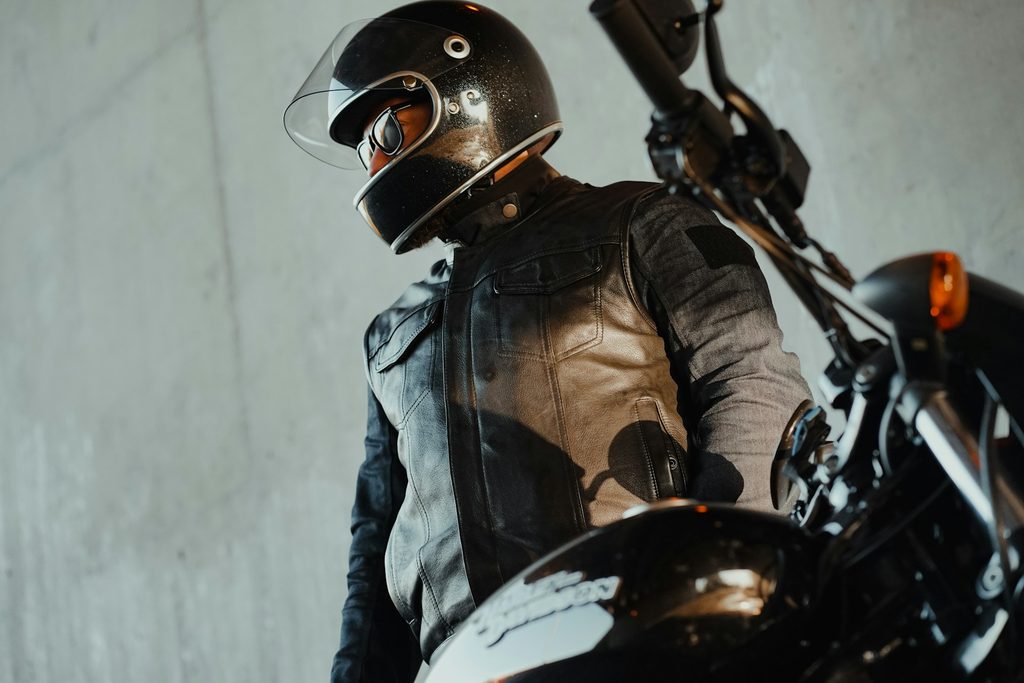
Motorcycle-inspired clothing has moved far beyond weekend rides and specialist stores. Armored overshirts, reinforced jeans and sharply cut leather jackets now sit comfortably alongside sneakers and everyday basics. The appeal is easy to understand: these pieces offer a purposeful look, practical construction and enough versatility for a coffee run, a commute or an evening out.
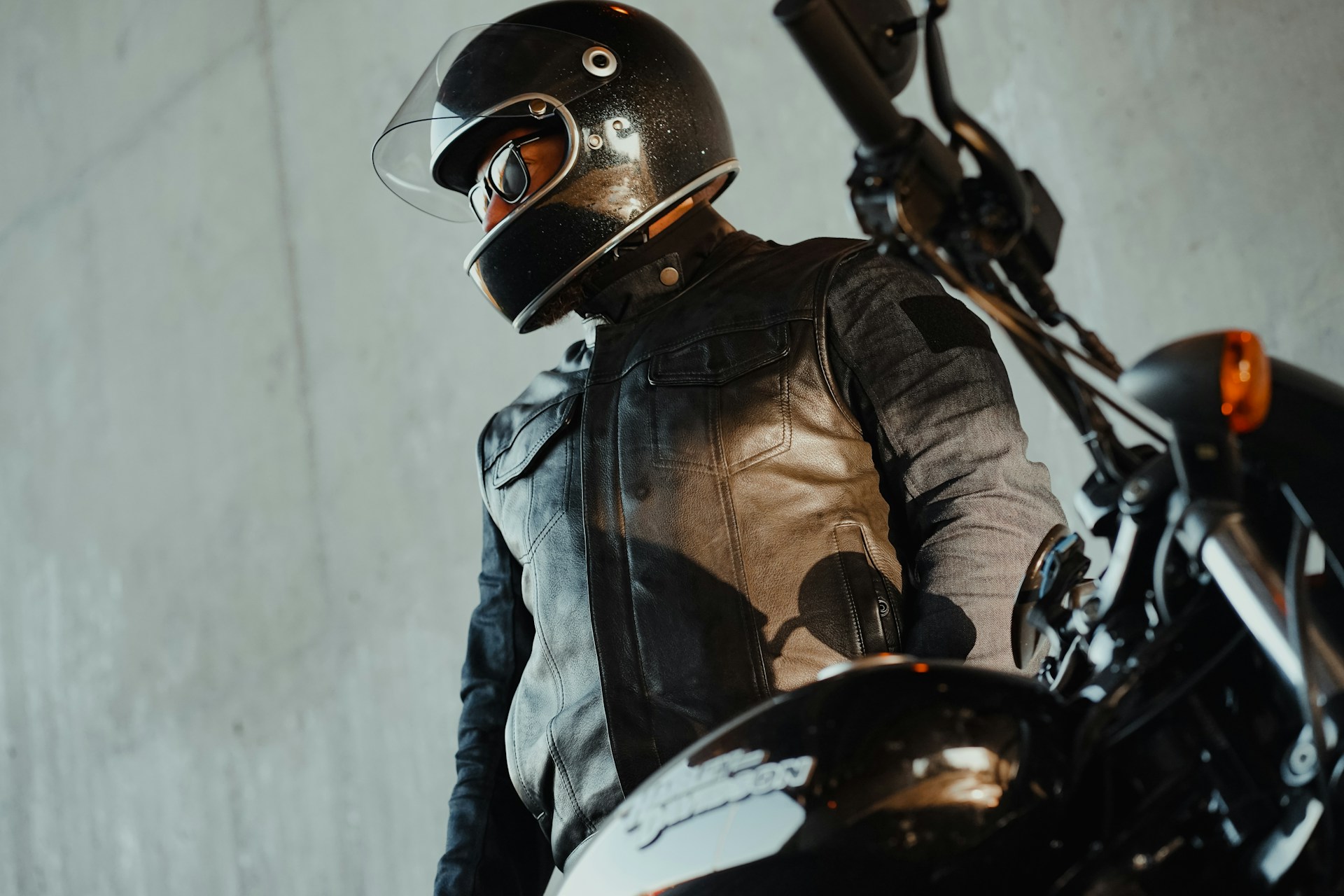
The result is a streetwear category that feels both functional and genuinely wearable. You don’t need to dress head to toe in technical kit, either. A single well-chosen jacket or pair of riding jeans can add structure and character to clothes you already own.
The Rise of Protective Street Fashion
Technical riding apparel used to be easy to identify. Bulky padding, loud graphics and stiff materials made many pieces awkward once you stepped away from the bike. Brands have since embraced cleaner silhouettes, removable protection and discreet reinforcement, helping the clothes blend into city life.
The wider motorcycle gear market reflects growing interest in jackets, protective trousers, footwear and other specialist products. Style is part of that appeal, but versatility matters too. People increasingly expect one garment to cover several parts of the day without requiring a full change of clothes.
That shift has produced waxed cotton jackets with hidden protective inserts, slim jeans with reinforced impact zones and high-top boots that resemble premium sneakers. The developing crossover between streetwear and moto fashion also explains why muted colors, cropped proportions and overshirt shapes are appearing across riding collections.
If you ride, keep function at the center of the buying decision. Check that protective inserts remain correctly positioned when you sit down and make sure sleeves don’t pull above your wrists. It also helps to consider the financial side of ownership as you review your wardrobe. You can get motorbike insurance with Swinton by comparing quotes from a panel of motorcycle insurers, with options that may suit riders who need multi-bike or European cover.
Abrasion Resistance Meets Modern Tailoring
The most convincing riding-inspired streetwear hides its technical work. A casual-looking overshirt might contain an abrasion-resistant lining, while jeans can use reinforced fibers within the denim itself. Removable protectors at the shoulders, elbows, hips, and knees allow many garments to keep a relatively natural shape.
That construction matters because standard fashion clothing is designed mainly for appearance, comfort and ordinary wear. A guide to protective riding clothing explains why regular streetwear doesn’t provide the same level of coverage or material performance. A fashion leather jacket may look similar to a riding jacket, for example, yet use thinner hide, weaker seams and no provision for impact protection.
Fit deserves close attention. Try on a jacket over the layers you normally wear and sit in a riding position for several minutes. The collar shouldn’t press against your neck, the shoulders should move freely, and the waist should remain covered. For jeans, bend your knees and check where the protective inserts settle. An insert that sits correctly while standing can shift away from the knee once your legs are bent.
Look at the closure system as well. Covered zippers, secure cuffs, and connecting loops are small details that improve performance without making the garment look overly technical. They also create the tailored, uncluttered finish that works well with everyday outfits.
Image Credit: Unsplash
Safeguarding High-Value Riding Leathers
A good leather jacket can become the centerpiece of an everyday wardrobe, especially once it develops a natural patina. Keeping it in good condition calls for simple, regular care. Start by checking the care label because different finishes and leather types can react differently to water, cleaners, and conditioners.
After a ride, wipe away surface dirt with a soft, damp cloth. Let the jacket dry at room temperature on a broad, supportive hanger. Direct heat can cause leather to stiffen or crack, so keep it away from radiators, hair dryers and strong sunlight. Once dry, use a conditioner approved for that specific leather and test it on a hidden area first. Heavy conditioning can darken the surface or leave it feeling greasy.
Storage also affects shape. Empty weighted pockets, fasten the main closure, and leave enough room around the jacket for air to circulate. Avoid thin wire hangers, which can create shoulder bumps. If the garment becomes soaked or heavily stained, a leather specialist is usually a safer choice than an improvised home treatment.
Owners should also check what their insurance actually includes. Standard policies may treat riding clothes differently from optional helmet and leathers cover, so read the policy wording and note any limits or exclusions. Photograph higher-value pieces, keep digital copies of receipts and record model names. Those basic records can help establish what you owned if you ever need to report loss or damage.
Finally, inspect the jacket every few months. Look for loose stitching, damaged zippers, and worn fastening points. Early repairs are usually neater and less costly than waiting until a small fault affects a larger panel.
Curating an Everyday Rider Capsule
A practical capsule wardrobe starts with your real routine. If most trips combine riding with time at work, cafés or shops, prioritize pieces that remain comfortable indoors. Neutral colors such as black, charcoal, navy, and olive make technical garments easier to pair with ordinary T-shirts, knitwear, and casual trousers.
Begin with one versatile jacket. An understated leather design creates a sharper profile, while a textile overshirt feels lighter and more relaxed. Next, add a pair of reinforced jeans in a straight or tapered cut. Very narrow fits can restrict movement and leave little space for protective inserts, so test them while seated before removing the tags.
Footwear should fit securely, cover the ankle, and have a sole suited to both riding and walking. If a pair feels uncomfortable during a ten-minute walk around the store, it’s unlikely to improve during a full day out. Gloves in a plain color can complete the set without making the overall outfit feel overly coordinated. Following safety tips also helps ensure everyday riding outfits balance personal style with essential protection.
Experienced travelers also offer useful insight into riding and everyday clothes, particularly when luggage space is limited. Their approach translates well to a city capsule: every item should work in several outfits and earn the space it occupies.
Keep the final edit tight. A jacket, two pairs of riding trousers, suitable footwear, gloves, and three simple base layers can cover most weekly needs. Add a compact waterproof outer layer if conditions change often. Before buying anything else, wear each combination for a full day and note where discomfort appears. A wardrobe built around actual movement will look more natural and get far more use.
The strongest motorcycle-influenced outfits allow the materials and cut to carry the look. A well-fitted jacket over a plain tee, reinforced dark denim and clean boots already provide plenty of character. Keep the branding quiet, maintain the specialist pieces properly, and let their patina develop through regular wear.