
Losing a significant amount of weight is often framed as the finish line: a number on the scale, a goal reached, a transformation completed. In reality, weight loss is rarely an endpoint. For many people, it marks the beginning of a new phase filled with physical changes, emotional recalibration, and decisions no one really prepares you for.
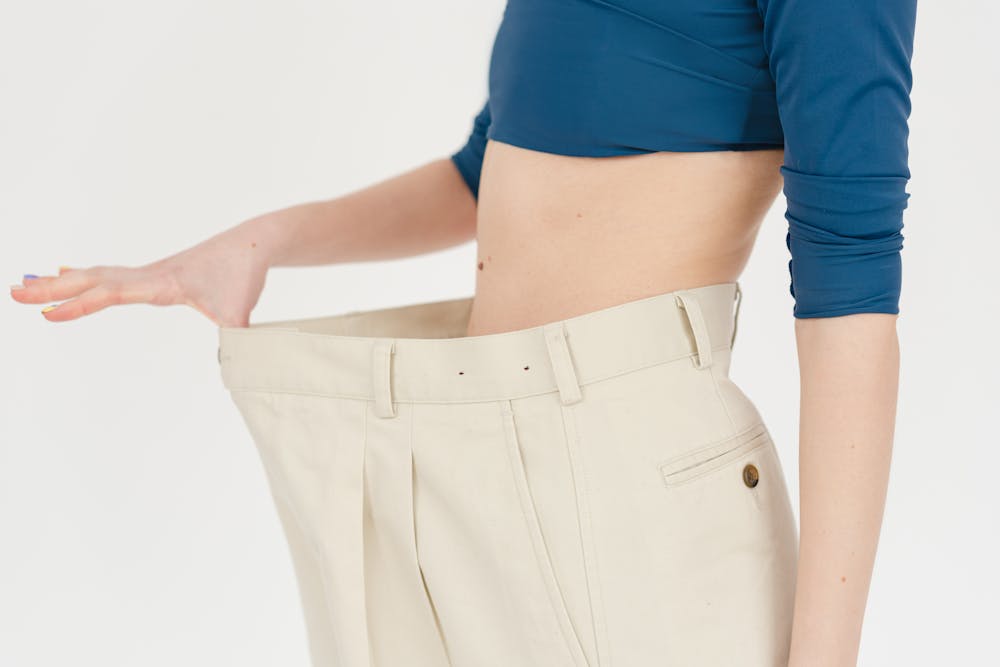
From shifts in body composition to unexpected mental hurdles, major weight loss reshapes daily life in ways that extend far beyond clothing sizes. The conversation around wellness is slowly catching up to this reality, moving away from before-and-after snapshots and toward a more nuanced understanding of what comes next.
The Physical Changes That Don’t Always Get Discussed
One of the most surprising aspects of significant weight loss is how uneven the physical changes can feel. While some areas of the body adjust relatively quickly, others take much longer, or don’t respond at all. Age, genetics, and how rapidly you lose weight can all influence skin elasticity, muscle tone, and fat distribution.
Many people notice that areas like the arms, abdomen, and thighs retain looseness even after months or years of maintenance. This isn’t a failure of effort or discipline; it’s a biological reality. Skin stretched over long periods doesn’t always rebound, especially after substantial changes in body mass.
Why Loose Skin Can Affect More Than Appearance
Loose skin may seem like a purely cosmetic concern, but for many people, it has functional and emotional implications as well. Excess skin can cause chafing, discomfort during movement, and difficulty finding clothing that fits comfortably. These physical irritations can subtly influence how active someone feels able or motivated to be.
Emotionally, loose skin can complicate body confidence. Some people feel proud of their progress yet conflicted when the mirror doesn’t reflect the image they expected. This tension is common and rarely talked about openly, despite how frequently it comes up in post-weight-loss communities.
How People Are Losing Weight Today Looks Different Than Before
The way people achieve major weight loss has changed significantly over the past decade. While diet and exercise remain foundational, there’s been a growing openness around medically supported approaches. More individuals are seeking guidance beyond willpower alone, primarily when traditional methods haven’t produced lasting results.
Understanding how modern weight-loss medications actually work has become part of this broader wellness conversation. These treatments don’t replace lifestyle changes, but they can support appetite regulation, metabolic function, and consistency for people who need additional help. Their increasing visibility reflects a cultural shift toward treating weight as a complex health issue rather than a personal shortcoming.
The Mental Adjustment After the Weight Is Gone
Weight loss changes how people move through the world, and how the world responds to them. Compliments, unsolicited comments, and assumptions about health or happiness can surface quickly. While often well-intentioned, this attention can feel overwhelming or uncomfortable.
Internally, many people grapple with a mismatch between how they feel and how they’re perceived. Confidence doesn’t always arrive automatically, and self-image may lag behind physical changes. Therapy, journaling, or community support often become just as important as fitness routines during this stage.
Clothing, Movement, and Everyday Comfort
Practical adjustments are another under-discussed part of post-weight-loss life. Clothing sizes may fluctuate, tailoring becomes more common, and certain styles feel different on a changed body. Activities like running, yoga, or strength training may require modifications as the body adapts to its new mechanics.
For some, loose skin can influence how comfortable they feel during workouts or daily movement. This isn’t about vanity, it’s about function. Feeling physically supported often plays a role in whether someone sticks with an active lifestyle long term.
When Lifestyle Changes Aren’t Enough on Their Own
There’s a growing acknowledgment that wellness isn’t one-size-fits-all. Some people reach a point where diet, exercise, and time don’t resolve specific concerns tied to significant weight loss. At that stage, individuals may begin researching additional options to improve comfort or quality of life.
This can include learning about procedures designed to address loose skin after weight loss, particularly when excess skin interferes with movement or causes ongoing irritation. Importantly, these decisions are deeply personal and often rooted in functionality rather than aesthetics alone.
Body Autonomy and the Shift Toward Informed Choice
What’s changed most noticeably in recent years is the tone of the conversation. Instead of rigid ideals about how bodies “should” look after weight loss, there’s more emphasis on autonomy and informed decision-making. People are increasingly empowered to choose what feels right for their own bodies without needing external validation.
This shift mirrors broader wellness trends that prioritize sustainability over extremes. Whether someone opts for medical support, surgical intervention, or none of the above, the focus is slowly moving toward long-term comfort, health, and self-trust.
Redefining Success Beyond the Scale
Perhaps the most meaningful change after major weight loss is how success gets redefined. Maintenance, energy levels, mental well-being, and daily comfort often matter more than continuing to chase smaller numbers. Many people find that their goals evolve from transformation to stability.
This reframing allows room for nuance. Progress doesn’t disappear because the journey gets complicated; it deepens. The body becomes something to work with, not against, as people learn what support looks like for them over the long term.
The Ongoing Nature of Wellness
Significant weight loss is not a single chapter but a continuing story. Bodies change, priorities shift, and new questions emerge over time. What remains consistent is the need for honest conversations about what happens after the celebration fades.
As wellness culture grows more inclusive, there’s space for these realities to exist without judgment. Recognizing that transformation is complex and deeply individual may be one of the healthiest responses of all.