
Homeowners expect backup systems to do more than keep a few lights on. Families want refrigerators cold, AC units running, and smart devices online when the grid fails.
Scalable power makes that possible. Instead of locking you into a fixed size, modular systems grow with your needs. Solutions like Anker SOLIX E10, which range from 10kW to 30kW turbo output and 6kWh to 90kWh storage, show how flexible designs now protect entire homes. You start with what you need, then expand capacity and output later without tearing out the original system.

Flexible Capacity for Growing Household Energy Needs
Scalable backup power lets you match storage and output to real-life changes. You can expand capacity as you add EVs, heat pumps, or smart appliances without major system redesigns.
Expanding Power Storage Without Replacing Systems
Traditional backup systems often force a tough choice. You either oversize the system on day one or face a full replacement when your needs grow. Scalable power solves this. Modular systems, such as Anker SOLIX E10, allow you to move from 6kWh to as much as 90kWh by adding battery units instead of starting over. Installers can upgrade storage quickly, using the same core hardware and wiring. Homeowners keep their original investment and avoid disruptive construction. This approach also trims waste, since you only add what you really use when you actually need it.
Supporting High-Demand Appliances and Smart Homes
Modern homes run on more power-hungry devices than ever. Electric ovens, dryers, HVAC systems, well pumps, and EV chargers place heavy loads on backup systems. A scalable solution with 7.6kW to 22.8kW rated output, and 10kW to 30kW turbo output, like Anker SOLIX E10, can handle these peaks more safely. The system can support critical loads now, then expand to cover whole-home backup later. Smart home users also benefit. Routers, cameras, voice assistants, and automation hubs stay online together. As you add new devices, you simply scale up capacity and output to match your upgraded lifestyle, much like transitioning from a basic backup setup to a full whole house generator solution over time.
Improved Reliability and Continuous Backup Performance
Scalable backup systems improve reliability by spreading risk across multiple units. If one module fails or needs maintenance, others keep running and maintain backup coverage for essential circuits.
Redundant Power Through Multi-Unit Configurations
Reliability depends on redundancy. Single-unit backup systems create a single point of failure. If that unit goes down, your home loses protection. A scalable system uses several battery modules and often multiple inverters. In a configuration like a fully built Anker SOLIX E10 setup, capacity stretches up to 90kWh, split across modular units. When one unit needs service, the remaining units continue to supply power. This architecture reduces downtime and provides insurance against unexpected faults. Homeowners gain peace of mind knowing that a single malfunction does not take their entire backup system offline.
Seamless Power Switching and Extended Runtime
A strong backup solution protects comfort and safety during long outages. Scalable systems combine larger storage options and higher output with fast transfer times. When the grid fails, they switch power sources quickly so lights, appliances, and networks stay on with minimal interruption. With storage ranges like 6kWh to 90kWh, homeowners can design for one-day protection or extend runtime up to roughly fifteen days, depending on usage and solar support. This flexibility lets families choose coverage that matches local outage patterns. During storms or grid events, the system provides smoother, longer, and more predictable operation.
Integration with Solar, Grid, and Hybrid Systems
Scalable backup power works best when it coordinates with multiple energy sources. Modern systems integrate with rooftop solar, the grid, and generators to maintain steady, reliable home power.
Multi-Source Charging for Consistent Energy Supply
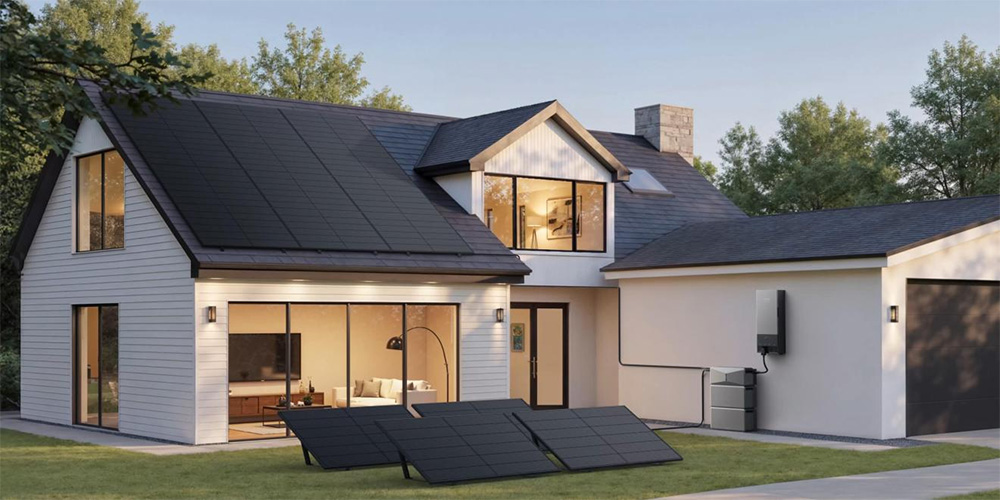
A flexible backup system should never rely on a single charging source. Scalable designs integrate cleanly with solar panels, the utility grid, and sometimes generators. A system such as Anker SOLIX E10 can store solar power during the day, recharge from the grid during off-peak hours, and maintain reserves for emergencies. This multi-source approach increases resilience. When the grid fails, but the sun shines, solar keeps batteries topped up. When storms block sunlight, grid charging before the event ensures backup capacity. Homeowners gain a stable supply that adapts to weather, seasons, and utility reliability.
Optimizing Energy Flow with Smart Energy Management
Smart energy management makes scalable power far more effective. Intelligent controllers monitor usage, solar production, grid prices, and battery levels in real time. They decide when to charge from solar, when to pull from the grid, and when to discharge to support the home. Systems with variable outputs from 7.6kW to 22.8kW can prioritize key loads and balance power flow across circuits. By automating these decisions, the system protects the battery, reduces strain on equipment, and keeps critical devices running longer. Homeowners enjoy reliable power with less manual intervention and better use of every kilowatt-hour stored.
Cost Efficiency and Long-Term Energy Savings
Scalable backup systems reduce upfront costs and support long-term savings. You avoid oversizing on day one, then cut bills later through smarter energy use and time-based rate strategies.
Pay-As-You-Grow Investment Strategy
A pay-as-you-grow model aligns spending with real needs. Instead of buying a huge system to cover every future scenario, you start with a modest setup. For example, you might install an Anker SOLIX E10 configuration at 6kWh or 12kWh, then scale toward 90kWh storage and higher output as your budget and energy use grow. This strategy lowers initial costs and allows you to take advantage of future technology improvements. Installers can add modules when you add an EV, hot tub, or home office. You invest only when necessary, improving cash flow and reducing financial risk.
Reducing Energy Bills with Smart Load Management
Scalable backup systems also act as energy-saving tools. Smart load management shifts consumption away from high-cost periods to times when electricity is cheaper, or solar is abundant. The system powers selected loads from stored energy when rates peak, then recharges during off-peak hours. With adequate capacity and output, homeowners can run major appliances strategically and avoid demand spikes. Over time, this cuts monthly bills and may reduce dependence on utility rate hikes. By combining storage flexibility with intelligent control, scalable systems deliver both resilience during outages and meaningful savings during normal grid operation.
Conclusion
Scalable power transforms home backup from a static emergency tool into a flexible, long-term energy solution. Modular systems like Anker SOLIX E10, with 10kW to 30kW turbo output and 6kWh to 90kWh storage, adapt to changing lifestyles, support powerful appliances, and integrate smoothly with solar and the grid. Homeowners can start small, expand over time, and use smart controls to trim energy costs. Multi-unit designs improve reliability and extend runtime, keeping families comfortable through long outages. By planning for growth and efficiency, scalable backup systems deliver stronger protection and better value for modern homes.