
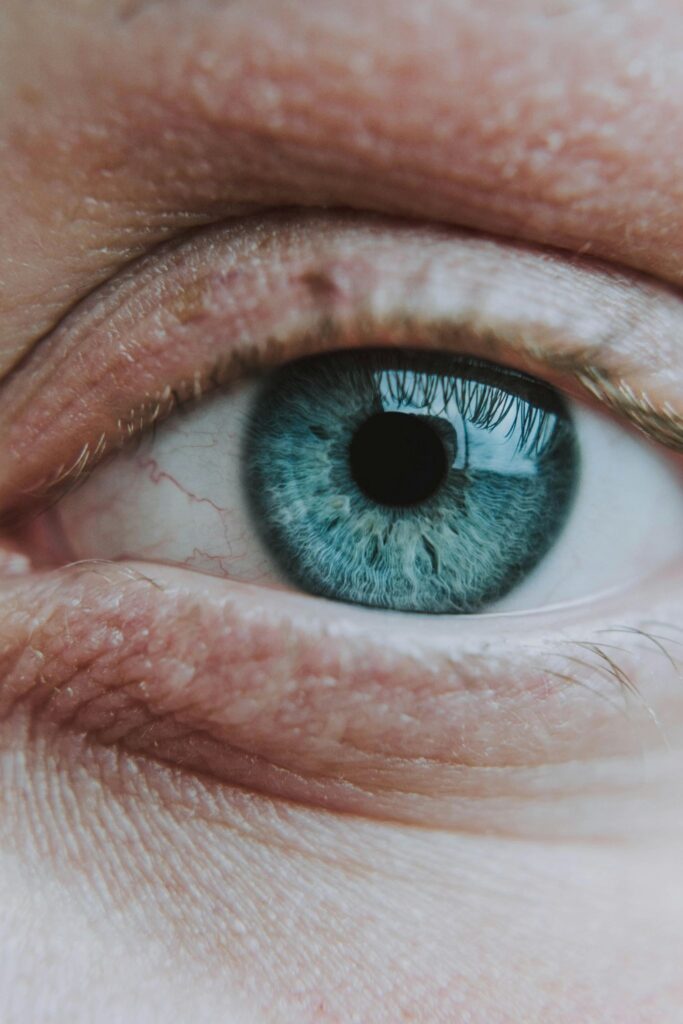
You can experience sight issues at any age, but you’re more likely to experience problems as you get older. Some of these are not too much of a concern and can be fixed with glasses. Others are more serious, requiring surgery and leading to blindness if you don’t treat them. By keeping an eye out for eye problems, you can get treatment done in good time and minimize any permanent vision loss. Below are a few different eye issues to look out for as you age.
Presbyopia
Most people experience presbyopia as they get older. It’s a gradual loss of the eye’s ability to focus on near objects. You may already be experiencing the beginning of it if you find yourself holding books, menus or phones at arm’s length to read them. The good news? Presbyopia is easily corrected with reading glasses – simply ask your local optician to schedule an eye test and you will then know what prescription you need. If you already need glasses to see things far away, bifocals or varifocals could be a solution. Contact lenses can also be prescribed for presbyopia.
Age-related Macular Degeneration (AMD)
Age-related macular degeneration – commonly known as AMD – is a common eye disease that affects the centre of the retina (known as the macula). It’s a leading cause of vision loss in people over 50. Signs of AMD include blurriness or blank spots in the central vision. There is sadly no cure for AMD, but there are many effective ways to slow down its progression. Getting it checked out as soon as possible can allow you to manage it and often prevents it from becoming too serious.
Cataracts
Cloudy or blurred vision may be a sign of cataracts. This may be accompanied by sensitivity to light and difficulty reading or driving. Cataracts occur when proteins in the eye’s lens begin to break down. Fortunately, this is a treatable condition – an ophthalmologist can perform surgery to remove the clouded lens and replace it with a clear artificial one. This might sound scary, but it’s actually a routine operation with a very high success rate.
Glaucoma
Fluid build-up behind the eye can lead to a condition known as glaucoma. High pressure behind the eye can lead to complete irreversible vision loss and there often aren’t many symptoms leading up to it. This is why regular eye exams are very important after 40 – they can spot the early signs of this disease and treatments can be carried out to reduce pressure on the eye and prevent vision loss.
Diabetic Retinopathy
Untreated diabetes can have many symptoms including constant thirst, frequent urination, slow healing wounds, tingling in hands and feet, and blurry vision. This last symptom is referred to as diabetic retinopathy. The blurriness is caused by high blood sugar levels which interfere with fluid in the eye. Fortunately, there are ways of managing diabetes that can help restore vision to normal – if you notice blurred vision and experience other symptoms of diabetes, consider getting tested by a doctor. By increasing exercise and managing your diet, you can take control of diabetes.