
Wedding photographs have always carried emotional weight. Yet for years, many couples received their images on a USB drive, downloaded them to a phone, and promised themselves they would create an album later.
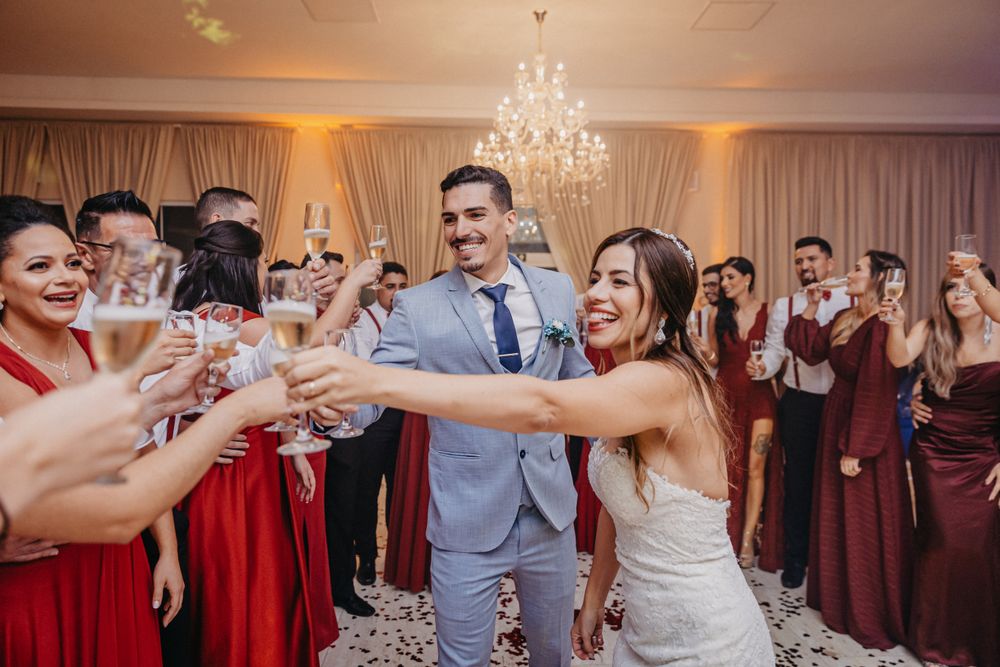
That approach is changing. Style-conscious couples are returning to printed wedding photo books, but not necessarily the heavy, traditional albums their parents owned. Today’s books combine thoughtful storytelling, editorial design, high-quality materials, and the tactile appeal of a beautifully made object.
For couples who care about both meaning and aesthetics, a wedding photo book is no longer an optional extra. It is becoming part of the wedding experience itself.
Wedding Photo Books Turn Digital Images Into Something Lasting
Professional photographers may deliver hundreds or even thousands of digital images. While that gives couples plenty of choice, it can also make the collection feel overwhelming.
Photos often remain buried in cloud storage or mixed into an endless phone camera roll. They may be viewed briefly after the wedding, shared on social media, and then revisited less frequently than expected.
A printed wedding photo book solves this problem by giving the images a permanent home.
Instead of scrolling through every photograph, couples can experience a carefully edited version of the day from beginning to end.
Print also creates a different kind of connection. Turning physical pages encourages people to slow down, notice details, and spend time with each image.
Modern Wedding Albums Reflect Personal Style
Older wedding albums often followed a predictable format, with formal portraits mounted on thick pages. Modern wedding photo books offer far more creative freedom.
Couples can choose understated linen covers, bold typography, contemporary layouts, premium paper, or full-page photographs. These design choices allow the finished book to feel connected to the wedding’s wider visual identity.
A minimalist city ceremony might suit a clean, monochrome layout. A colorful destination wedding could call for vivid spreads and playful pacing. The format can reflect the couple rather than forcing their photographs into a standard template.
They Look at Home in Contemporary Interiors
Style-led couples often think carefully about what enters their homes. A wedding keepsake should not need to be hidden in a cupboard simply because its design feels dated.
Well-designed photo books can sit naturally on a coffee table, bookshelf, or console. Their covers may resemble art books or independent fashion publications, making them decorative objects as well as personal records.
Some couples prefer an editorial wedding magazine that uses dynamic layouts and a lighter format. Others choose a substantial hardcover book intended to last for generations. Both approaches show how wedding print products are becoming more design-conscious.
A Curated Wedding Story Feels More Meaningful
The strongest wedding photo books do more than collect attractive pictures. They tell a coherent story.
A thoughtful sequence might begin with quiet preparation shots, move through the ceremony, and build toward the energy of the reception. Wide scenes establish the setting, while close-up images capture gestures, expressions, flowers, clothing, and handwritten details.
This kind of editing gives rhythm to the book. It also helps couples remember moments they may have missed while greeting guests or moving between events.
A good wedding book usually includes a balanced mix of:
- Key moments, such as the vows and first dance
- Natural photographs of family and friends
- Portraits of the couple
- Venue, fashion, floral, and table details
- Unplanned interactions that reveal the atmosphere
The goal is not to include every image. It is to choose the photographs that best communicate how the day looked and felt.
Printed Wedding Keepsakes Feel More Valuable in a Digital Age
Digital convenience has made physical objects feel increasingly special. Almost everyone carries thousands of images, but relatively few photographs are printed with intention.
A wedding photo book requires decisions about selection, sequence, materials, and presentation. That effort gives the object a sense of significance that a digital gallery rarely achieves.
Physical books are also easier to share across generations. Parents and grandparents can enjoy them without navigating an online gallery, while future children can discover the wedding through something tangible.
Unlike a social media post, a printed book is not dependent on a platform, password, device, or changing file format. With suitable materials and careful storage, it can remain accessible for decades.
Wedding Photo Books Can Capture More Than the Ceremony
Couples are increasingly treating weddings as multi-day experiences rather than single events.
Welcome dinners, rehearsal gatherings, cultural ceremonies, morning preparations, and farewell brunches may all form part of the story.
A custom photo book can bring these moments together. It can also include written elements that make the record more personal, such as:
- Readings or vows
- Excerpts from speeches
- Notes about the venue
- Song lyrics or meaningful quotations
- Scans of invitations, menus, or handwritten letters
These additions should be used selectively. Too much text can compete with the photographs, but a few carefully chosen words can add context and preserve details that images alone cannot explain.
How to Create a Wedding Photo Book You Will Still Love
Start by deciding what you want the book to feel like. Do you prefer something timeless and restrained, or expressive and fashion-led? A clear visual direction makes later decisions much easier.
Next, edit firmly. Near-duplicate images can weaken the story, even when each photograph is beautiful on its own. Prioritize emotional value, visual variety, and the natural progression of the day.
Material quality also matters. Look at the paper weight, printing method, binding, cover fabric, and page finish. Layflat pages can work well for panoramic photographs, while traditional bound pages often create a more book-like experience.
Finally, resist short-lived design trends unless they genuinely reflect your taste. Simple typography, generous spacing, and a consistent color palette tend to age well.
Are Wedding Photo Books Worth the Investment?
A professionally produced wedding photo book can feel expensive after the wider costs of a wedding. However, it is one of the few purchases specifically designed to preserve the experience once the day is over.
Flowers fade, food is eaten, and outfits may return to storage. Photographs remain, but they are more likely to be enjoyed when they are edited and presented in an accessible format.
Couples working with a limited budget can begin with one high-quality main book and order smaller parent copies later. The priority should be lasting construction and meaningful image selection rather than the largest possible page count.
Conclusion: Make Your Wedding Photographs Part of Your Life
Wedding photo books are becoming the new keepsake because they meet two needs at once.
They preserve deeply personal memories while also functioning as considered, beautiful objects.
For style-led couples, that combination matters. The right book does not simply document a wedding – it captures its atmosphere, personality, and emotional rhythm in a form that can be revisited for years.
Do not let your wedding photographs disappear into digital storage. Choose your strongest images, define a visual direction, and create a printed keepsake you will genuinely want to open, display, and share.