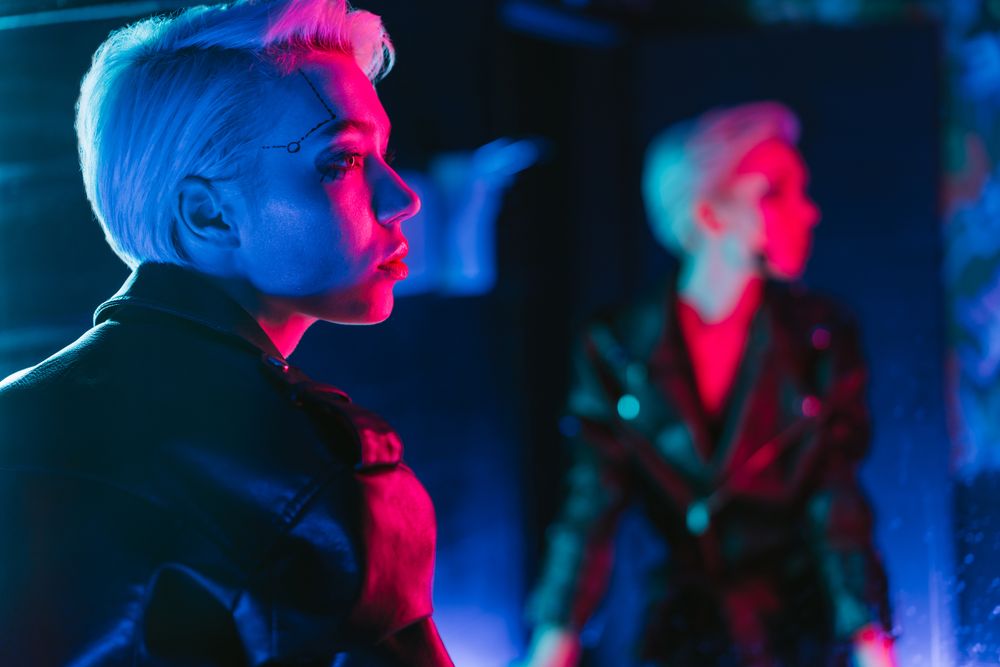
Scroll through enough fashion content lately and you’ll eventually run into a model who doesn’t exist. Not a heavily filtered photo of a real person, but a fully generated digital face, styled and posed for a campaign that never involved an actual photoshoot. What started as a novelty a few years ago has quietly become a real production option for brands, particularly ones testing new looks or running smaller campaigns that don’t justify booking a full shoot.
Why Brands Are Looking at Virtual Models in the First Place
Traditional campaign production is expensive and slow. Booking a model, a photographer, a location, hair and makeup, and then running through wardrobe changes for a full lookbook can take days and a budget that smaller or emerging labels simply don’t have. Even established brands feel the pressure when they need to produce content quickly for a limited drop or a trend that’s moving faster than a traditional shoot schedule allows.
This is part of what’s driving interest in AI generated avatars for campaign work. Rather than replacing photography wholesale, brands have started using it selectively, for concept testing, for quick social content, or for markets where a full local shoot isn’t practical.
Where AI Avatar Tools Fit Into a Fashion Workflow
Tools like Higgsfield AI, a creative suite with an AI Avatar Generator, are part of this shift. Higgsfield AI is a native AI creative suite, which offers advanced AI image, video, and voice generation, editing, and upscaling tools, and its avatar generation capability in particular gives smaller teams a way to visualize how a garment or a collection reads on a model before committing to a full production.
The appeal isn’t that a generated avatar replaces a real model entirely. It’s that a brand can test a concept, a pose, a color story, or a styling direction quickly, and decide what’s worth shooting for real before spending the budget on a full campaign.
Where This Is Actually Being Used
Concept testing is the most common early use case. Before committing to a full shoot, some brands are generating rough avatar based visuals to test how a new collection reads visually, whether a color palette works together, or how a silhouette photographs before booking anything.
Social content for smaller drops is another practical fit. A limited release that wouldn’t justify a full photoshoot can still get a polished visual treatment for social media using a generated avatar, keeping content consistent with the brand’s usual visual standard without the production cost of a full shoot for a small run.
International and regional campaigns are a third area worth watching. A brand launching in
multiple markets simultaneously sometimes wants region specific visual content without flying a team and a model to every location, and AI generated visuals offer one way to produce that variety faster than traditional production would allow.
Where This Still Falls Short
None of this replaces real photography, and it shouldn’t try to. Fabric drape, genuine texture, how a garment actually moves on a body, these are things a camera captures and a generated image still struggles to fully replicate with total accuracy. For anything where the customer needs to trust exactly what they’re buying, particularly e-commerce product pages, real photography remains the standard, and brands that have tried to skip it entirely have generally faced customer trust issues as a result.
There’s also a broader industry conversation happening about what virtual models mean for working photographers and models, one that’s worth taking seriously rather than dismissing as a side effect of new technology. Brands experimenting with this space are increasingly being asked to be transparent about when content is generated rather than shot, and that transparency is likely to become more expected, not less, as the technology becomes more common.
A Tool for Speed, Not a Replacement for Craft
For brands watching where fashion content creation is heading, much like the broader shift covered in the fashion coverage on this site, AI avatar generation is best understood as one more production option rather than a wholesale replacement for photography, styling, and the creative direction that goes into a real campaign.
Whether it’s worth testing depends on what a brand actually needs. A small label testing a new direction before committing budget has a genuine practical use case here. A brand whose entire value proposition rests on the tactile, physical quality of a garment probably still needs real photography doing the heavy lifting, with AI tools playing a supporting role at most.