
Have you ever noticed a small drip under a sink and told yourself you would deal with it later? Most people have. Life gets busy, and a minor plumbing issue rarely feels urgent. Yet what starts as a tiny inconvenience can quietly become one of the most expensive problems in a home. From rising utility bills to structural damage, overlooked plumbing issues often create costs that go far beyond a repair invoice.
Small Leaks, Big Financial Consequences
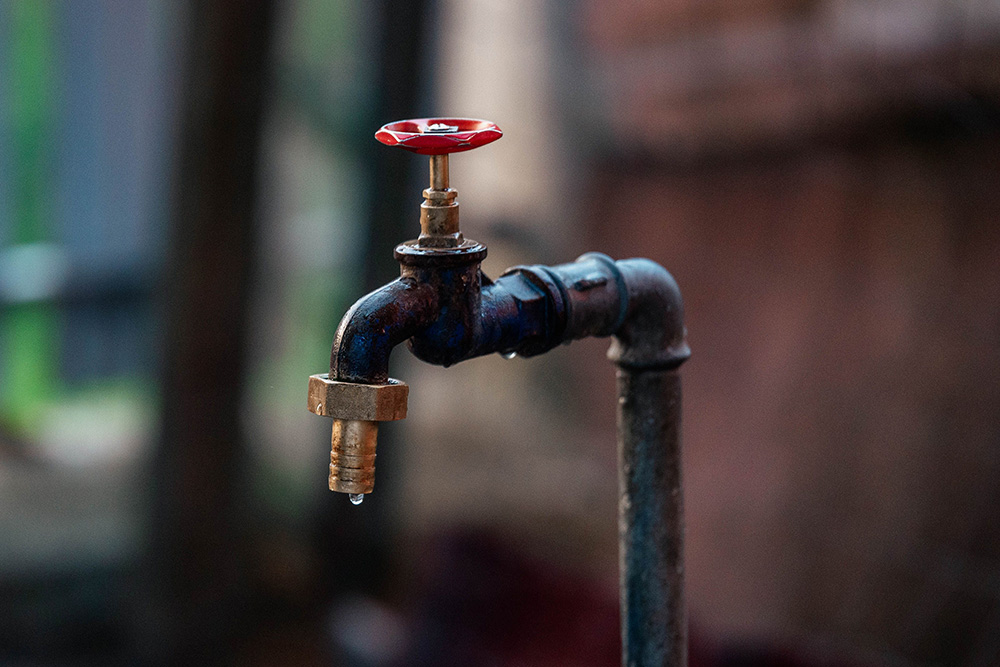
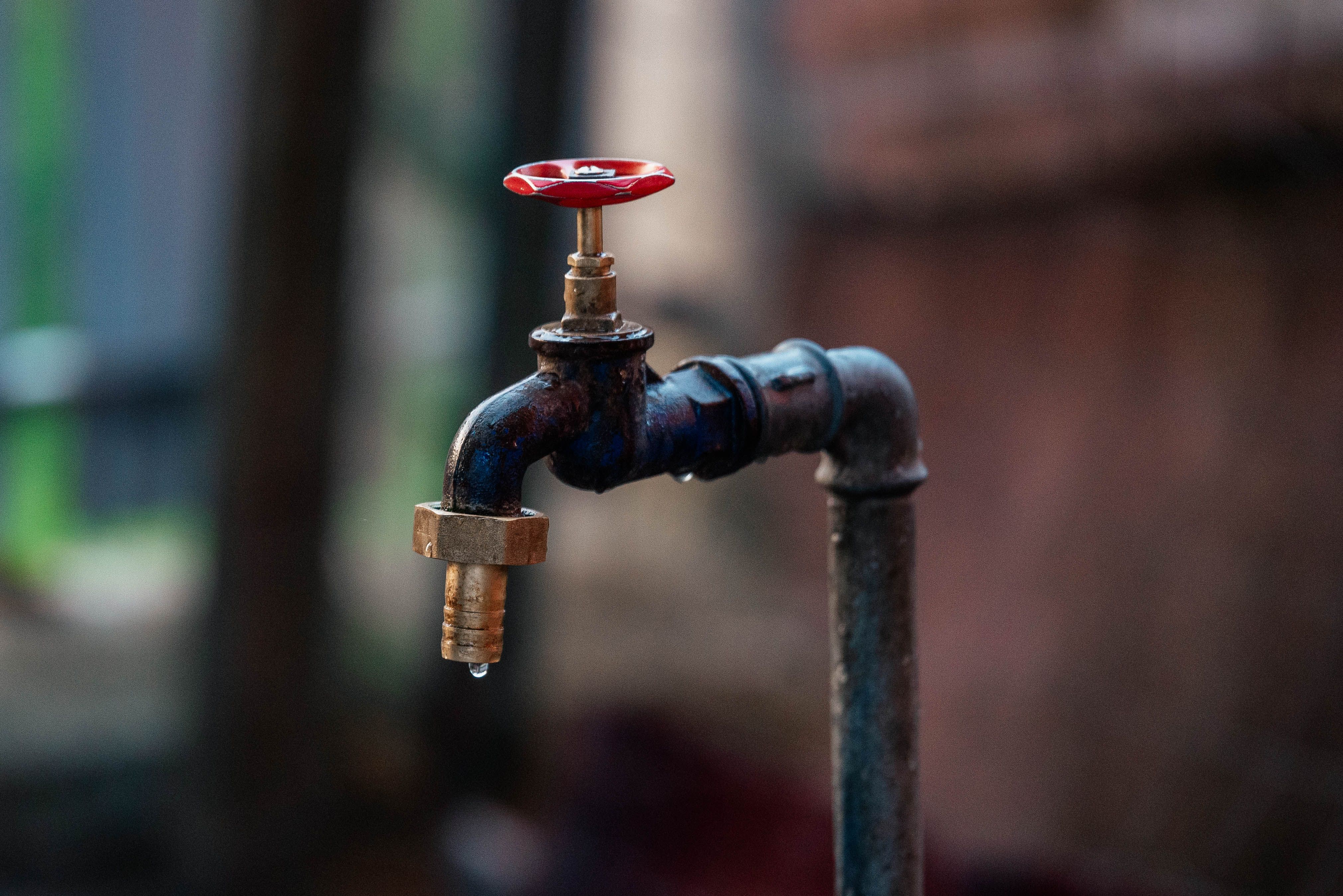
A slow leak has a way of hiding in plain sight. It may seem harmless because it does not flood a room or stop daily routines, but water rarely stays where it belongs once a pipe begins to fail. Over time, even a small leak can waste thousands of gallons of water each year, increasing utility costs without homeowners realizing what is happening.
This matters even more today as many cities across the United States face pressure to manage water resources more efficiently. Rising utility rates have become a reality in many communities, making wasted water an increasingly expensive habit. What feels like a minor maintenance issue can quietly drain both water and money month after month.
The Repair That Gets More Expensive With Time
Many homeowners delay action because they hope a problem will stay small. Unfortunately, plumbing systems do not often work that way. Water has a remarkable ability to find weak spots, and damage usually spreads before it becomes visible. By the time stains appear on walls or ceilings, repairs often involve more than replacing a pipe.
When it comes to residential plumbing repair, timing often determines how much a homeowner ultimately spends. A dripping faucet, reduced water pressure, or a slow drain may seem like minor inconveniences, but they can signal developing problems hidden behind walls, under floors, or within aging pipe systems. Addressing these issues early helps prevent more extensive damage and often keeps repair costs significantly lower than they would be after a leak spreads or structural materials become affected by moisture.
Hidden Damage Behind Walls
One of the most frustrating aspects of plumbing problems is that much of the damage occurs where nobody can see it. Water can seep into drywall, insulation, wooden framing, and flooring long before obvious signs appear. By the time a homeowner notices discoloration or warped surfaces, the damage may have been developing for months.
Modern homes contain numerous concealed pipes that run through ceilings, crawl spaces, and wall cavities. A leak in one of these areas can weaken structural materials and create costly repair projects. What began as a simple plumbing issue can quickly turn into a renovation that affects multiple parts of the home.
Mold Is More Than an Annoyance
Moisture creates the perfect environment for mold growth, and plumbing leaks often provide a steady source of it. While mold is commonly associated with unpleasant odors and dark spots on walls, its effects can extend much further. It can damage materials, reduce indoor air quality, and create concerns for families with allergies or respiratory sensitivities.
In recent years, awareness about indoor environmental health has grown significantly. More homeowners are paying attention to the quality of the air inside their homes, especially after spending more time indoors following major shifts in work and lifestyle patterns. Ignoring water problems can undermine those efforts surprisingly quickly.
Utility Bills Often Tell the Story First
Before homeowners notice visible damage, their utility bill may already be sending a warning signal. Unexpected increases in water usage often indicate a hidden leak somewhere within the system. Unfortunately, many people assume higher bills are simply the result of changing rates and never investigate further.
A useful habit is comparing monthly water usage over time. Sudden spikes that cannot be explained by seasonal activities often deserve attention. Catching a problem at this stage may prevent much larger expenses later, especially when leaks are located before they have time to damage surrounding materials.
Property Value Can Take a Hit
Real estate markets continue to place a premium on well-maintained homes. Buyers are increasingly cautious about potential repair costs, and plumbing issues often raise red flags during inspections. Evidence of leaks, water damage, or neglected maintenance can influence negotiations and reduce a property’s market appeal.
Ironically, many homeowners postpone repairs to save money, only to discover that unresolved issues can affect resale value. A relatively modest repair today may protect thousands of dollars in future equity. Buyers want confidence that major systems have been properly maintained, and plumbing is high on that list.
Emergency Repairs Are Rarely Budget-Friendly
Few household surprises are as stressful as a burst pipe or major water leak. Emergency situations often occur at inconvenient times, including nights, weekends, or holidays, when service rates may be higher. In addition to repair costs, homeowners frequently face expenses related to cleanup, drying, and restoration.
Recent weather events across various parts of the country have highlighted how vulnerable plumbing systems can be during extreme conditions. Freezing temperatures, aging infrastructure, and sudden pressure changes can all contribute to failures. Addressing smaller concerns before they escalate helps reduce the likelihood of costly emergencies.
Prevention Is Usually the Cheapest Option
Preventive maintenance lacks the excitement of home improvement projects, which may explain why it often gets pushed aside. Nobody posts photos of a successfully inspected pipe on social media. Yet preventive care remains one of the most practical investments a homeowner can make.
Simple steps such as checking for leaks, monitoring water pressure, cleaning drains properly, and scheduling routine inspections can identify issues before they become major problems. These actions require far less time and money than repairing structural damage or replacing large sections of plumbing infrastructure.
The irony of plumbing problems is that they often seem inexpensive right up until they become extremely expensive. A drip turns into water damage. A slow leak becomes mold. A neglected pipe becomes an emergency call in the middle of the night. While homeowners cannot prevent every issue, they can control how quickly they respond when warning signs appear. In an era when repair costs, utility bills, and property concerns continue to rise, addressing plumbing problems early remains one of the smartest financial decisions a homeowner can make.