
Unwanted pests can quickly disrupt daily life, damage property, contaminate food, and create health concerns for everyone in the household.
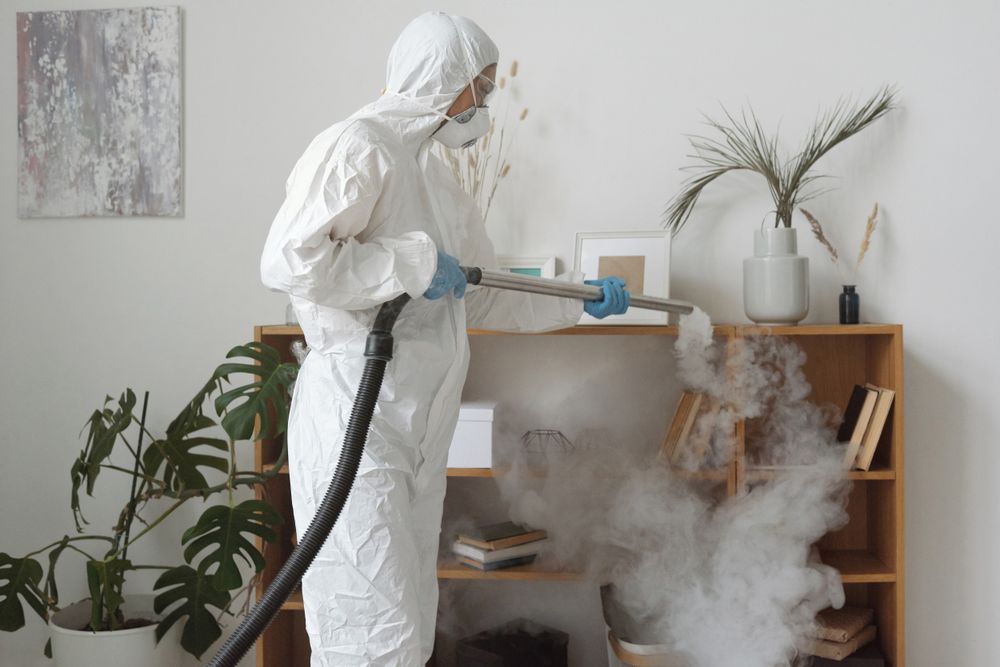
Many pest infestations begin with small issues that are easy to overlook. A tiny crack near a window, excess moisture under a sink, or food crumbs left behind in hard-to-reach places can create opportunities for pests to enter and thrive. By the time homeowners notice signs of an infestation, the problem may already be well established.
The good news is that preventing pest problems often comes down to consistent home maintenance and attention to detail. Small preventative steps can significantly reduce the likelihood of ants, rodents, cockroaches, termites, spiders, and other common household pests becoming a problem.
A proactive approach not only protects your home but can also save money by reducing the need for extensive treatments and repairs. Understanding where pests come from and how to make your home less attractive to them is the foundation of long-term prevention.
Seal Entry Points Before Pests Move In
One of the most effective ways to prevent pests is to stop them from entering your home in the first place. Many pests require only a very small opening to gain access. Tiny cracks in foundations, gaps around windows and doors, damaged weather stripping, and openings around utility lines can all serve as entry points.
Conducting regular exterior inspections can help identify vulnerabilities before pests take advantage of them. Pay close attention to areas where pipes, cables, and vents enter the home. These locations are often overlooked but can provide easy access for insects and rodents.
Even when homeowners are diligent about maintenance, recurring pest activity can sometimes indicate hidden issues that are difficult to identify without professional assistance. In these situations, many homeowners turn to exterminator services to locate concealed entry points, address active infestations, and develop customized prevention strategies that help keep pests from returning.
Sealing gaps with caulk, replacing damaged weather stripping, repairing screens, and maintaining door sweeps are all practical ways to strengthen your home’s defenses. Combining these efforts with professional guidance when necessary creates a stronger barrier against unwanted pests.
Keep Kitchens and Food Storage Areas Clean
Food is one of the primary reasons pests enter homes. Kitchens, pantries, and dining areas often provide easy access to crumbs, spills, and improperly stored food.
One of the simplest preventative measures is storing food in sealed containers. Dry goods such as cereal, flour, rice, and pet food should be kept in airtight containers whenever possible. This limits access for insects and rodents while helping preserve freshness.
Promptly cleaning spills and crumbs is equally important. Even small amounts of food can attract ants, cockroaches, and other pests. Regularly wiping counters, sweeping floors, and cleaning under appliances helps eliminate potential food sources.
Trash management also plays a significant role. Garbage should be stored in containers with tight-fitting lids and removed regularly. Overflowing trash cans can quickly become attractive feeding grounds for pests.
By maintaining a clean food environment, homeowners significantly reduce one of the biggest factors contributing to infestations.
Address Moisture Problems Throughout the Home
Many pests are drawn to moisture just as much as food. Damp environments provide ideal conditions for insects such as cockroaches, silverfish, mosquitoes, and termites.
Leaks should always be repaired promptly. Dripping faucets, leaking pipes, and damaged plumbing fixtures can create hidden moisture that supports pest activity.
Bathrooms, kitchens, laundry rooms, and basements often require special attention because they tend to have higher humidity levels. Proper ventilation helps reduce moisture buildup and creates less favorable conditions for pests.
Standing water should also be eliminated whenever possible. Even small amounts of water can attract insects and create breeding opportunities for mosquitoes.
Maintaining a dry environment throughout the home helps discourage many common pest species from establishing themselves indoors.
Maintain Your Yard and Outdoor Spaces
The battle against pests often begins outside the home. A poorly maintained yard can provide shelter, food, and breeding areas for a wide variety of pests.
Overgrown vegetation should be trimmed regularly. Bushes, shrubs, and tree branches that touch the home can serve as bridges that allow pests to move indoors more easily.
Yard debris, such as fallen leaves, wood piles, and unused materials, should also be removed. These items often provide ideal hiding places for insects and rodents.
Water management is another important consideration. Birdbaths, clogged gutters, and standing water can attract mosquitoes and other pests. Ensuring proper drainage throughout the property helps minimize these risks.
A well-maintained yard not only improves curb appeal but also serves as an important line of defense against infestations.
Inspect and Protect the Home’s Exterior
The exterior of your home requires regular maintenance to remain pest-resistant.
Roofing, siding, and foundation areas should be inspected periodically for signs of damage. Cracks, holes, and deteriorating materials can create opportunities for pests to enter.
Window screens should be checked for tears and repaired as needed. Damaged screens often allow insects to enter even when windows remain closed.
Weather stripping around doors and windows should also be maintained. Proper seals improve energy efficiency while helping prevent pest access.
Routine inspections help homeowners identify vulnerabilities before they become larger problems.
Store Household Items Properly
Storage practices can have a major impact on pest prevention.
Clutter provides countless hiding places for pests. Basements, attics, garages, and storage rooms are particularly susceptible because they often contain items that are rarely disturbed.
Using sealed plastic containers instead of cardboard boxes helps protect stored belongings while reducing potential nesting opportunities. Cardboard can attract insects and is more easily damaged by pests.
Organizing storage areas also makes it easier to spot signs of pest activity. Regularly inspecting stored items can help identify problems before they spread throughout the home.
A clean and organized storage system contributes to a healthier and more pest-resistant environment.
Monitor for Early Signs of Pest Activity
Early detection is one of the most effective ways to prevent small pest issues from becoming major infestations.
Homeowners should remain alert for warning signs such as droppings, gnaw marks, damaged food packaging, nests, or unusual odors. These indicators often reveal pest activity before pests themselves are seen.
Strange sounds inside walls, ceilings, or attics may also suggest the presence of rodents or other animals.
The sooner pest activity is identified, the easier it is to address. Delaying action often allows populations to grow and spread throughout the property.
Maintaining a pest-free home involves much more than reacting to infestations when they occur. The most effective approach focuses on prevention through consistent home maintenance and attention to detail.
The effort invested often pays significant dividends in reduced stress, lower repair costs, and improved comfort. Rather than waiting for pests to become a problem, homeowners who take a proactive approach can enjoy greater peace of mind throughout the year.
A well-maintained home is one of the strongest defenses against unwanted pests, making prevention an essential part of responsible homeownership.