
Sphynx insurance generally starts with the same ordinary cat cover offered for pedigree and non-pedigree cats, subject to the provider’s terms. It may contribute towards eligible, medically necessary treatment for a new illness or accidental injury. The recurring care involved in living with a hairless cat is different: routine upkeep normally remains the owner’s responsibility.
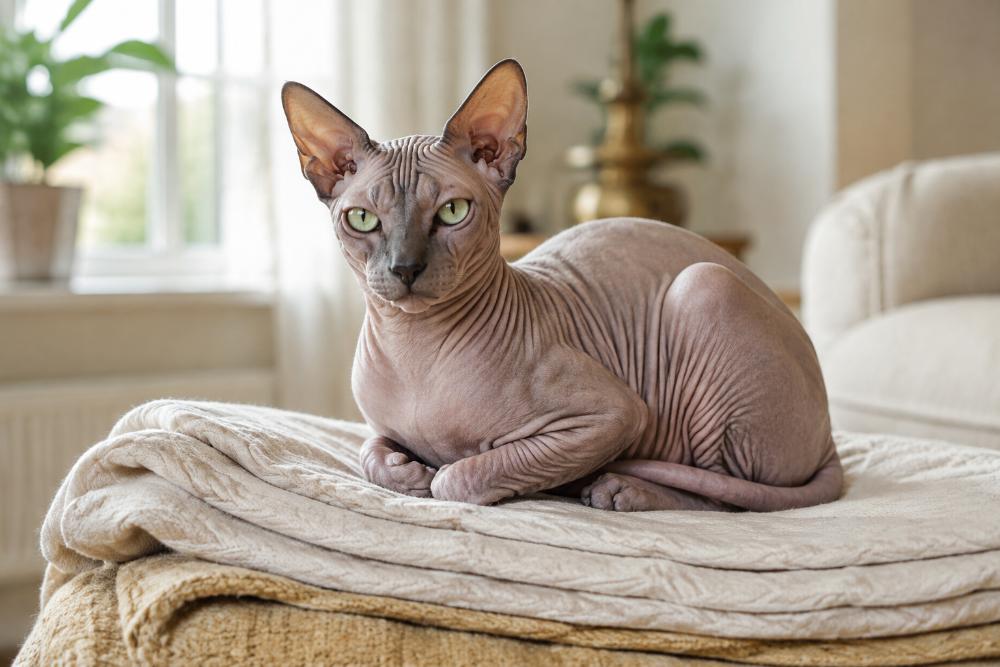
This leaves a Sphynx owner with two budgets. The first covers predictable care at home. The second covers the owner’s share of unexpected veterinary bills, including the excess, any co-insurance and costs above the annual limit. A vet recommending a particular routine does not automatically turn that routine into an insured benefit.
Breed associations are not a diagnosis. A vet must assess the cause and suitable management of any health change in an individual cat. The insurer then decides whether the cost meets its medical-necessity, history, exclusion and benefit rules.
Check general eligibility first
None of the major insurers reviewed publishes Sphynx-specific policy rules, a separate Sphynx cover tier or a surcharge solely for the breed. That does not guarantee acceptance. Joining ages, breed lists and the current policy wording still need to be checked, particularly when buying cover for the first time or changing provider.
As one example, Waggel’s cat policies can begin when a kitten is 8 weeks old, but eligibility remains subject to the excluded-breed list in the applicable terms. This is a provider-specific example, not a market-wide promise.
Eligible illness and accidental injury treatment must be medically necessary and satisfy the rest of the contract. Prevention, elective treatment and cosmetic care are ordinarily excluded. For an accepted claim, the annual veterinary-fee allowance is the outer ceiling. The excess and any percentage co-insurance determine part of what the owner pays.
Keep ordinary Sphynx care in the household budget
Owners of hairless cats commonly make routine bathing, skin care and ear maintenance part of everyday life. These are ownership costs rather than claim events. The right products, frequency and technique vary between cats, so an owner should ask a veterinarian or breeder for advice suited to the individual animal.
The same boundary applies when care is preventative or appearance-led. Standard cat insurance does not ordinarily pay for preventative, elective or cosmetic treatment, even if that care forms part of looking after a Sphynx’s skin. Professional advice may make the care appropriate, but it does not by itself make the cost claimable.
Know when a health change may enter a claim
The reason for treatment matters more than the part of the body involved. Ordinary skin upkeep stays owner-paid, while medically necessary treatment for an eligible skin illness may be covered. Veterinary literature reports skin conditions in Sphynx cats, but this breed-level finding cannot establish that one cat is unwell.
Veterinary literature also reports hypertrophic cardiomyopathy and dental problems in the breed. These reports should not be used to diagnose a cat or to assume a future claim will be accepted. The vet assesses the cat and recommends care. The insurer separately reviews medical necessity, previous history, exclusions, the annual allowance and the applicable excess.
Find out when medical history is reviewed
Insurers can establish medical exclusions while someone applies or review the relevant history when a claim arrives. Under the application-stage approach cited in the source comparison, Petplan asks health questions and sets medical exclusions during the application.
Most insurers in that comparison review medical history when a relevant claim is submitted rather than asking health questions at the outset. Waggel follows that approach. It does not require a health questionnaire at purchase and assesses veterinary history when a relevant claim is made. Reviewing the history later does not remove pre-existing-condition exclusions or any other exclusions in the policy.
The timing of the review changes when an owner learns about an exclusion, but a later review does not make an existing problem eligible.
Compare the annual limit and the owner’s claim share
An annual veterinary-fee limit is a ceiling for eligible treatment. It is not a promised payout and cannot be used for routine care. Among the cited products, maximum annual limits are £10,000 at Sainsbury’s Money, £12,000 at Petplan and £20,000 at both ManyPets and Agria. The suitable amount depends on the headroom an owner wants and what they could afford above the chosen ceiling.
Waggel offers selectable annual veterinary-fee limits from £1,000 to £15,000. Every option remains a ceiling, and no tier can be described as sufficient for every Sphynx or every treatment course.
The way providers take an excess also changes the owner’s bill. If a cat has two unrelated eligible conditions in one policy year, ManyPets applies one excess across that year. Waggel applies an excess to each condition in each policy year. Agria combines a fixed excess with 10% co-insurance. These are different ways of dividing claim costs, and none is automatically best for every household.
Compare cover using two realistic budgets
List predictable skin and ear upkeep, bathing, prevention and elective care in the regular household budget. Keep the insurance comparison focused on eligible new illness and accidental injury. Then check the annual allowance, excess frequency, any percentage contribution and the costs that remain payable after the limit is reached.
A useful comparison makes the boundary clear: predictable care remains in the household budget, while the selected allowance and claim share determine how much eligible unexpected treatment may be transferred to the policy.