
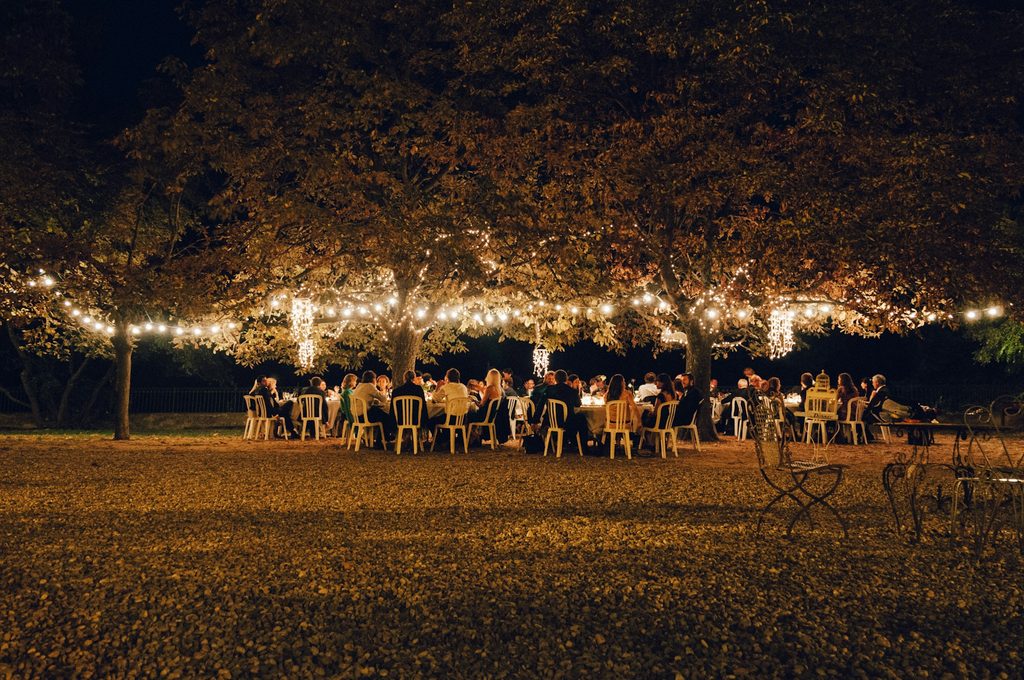
A power outage can turn a carefully planned dinner party into a scramble for flashlights, cold food and half-finished conversations. A few practical upgrades can keep the evening comfortable without making your home feel like a control room. Focus on the systems guests actually notice: lighting, cooking, music and outdoor spaces. When those essentials have reliable backup power, the party can carry on with barely a pause.
Setting the Mood with Seamless Tech
Start by grouping your lighting and entertainment into simple zones. Dining room lamps, background music and a nearby hallway light can sit on one smart-home scene, allowing you to adjust the atmosphere from a phone or wall control. Keep a few rechargeable table lamps ready too. They add a warm glow and remain useful if the main supply cuts out.
Test every device on the afternoon of the party. Confirm that speakers reconnect automatically after losing power and download your playlist for offline use. Smart bulbs should also have a warm default setting so they don’t return at full brightness after a brief interruption.
Kitchen Prep Under Peak Electricity Load
Plan the menu around appliances that don’t need to run at the same time. An oven, induction cooktop, dishwasher and countertop appliance can create a heavy combined load, especially while heating and cooling systems are active. Bake dessert earlier, wash serving dishes before guests arrive and use insulated containers to hold prepared food.
Good kitchen design for dinner parties also reduces last-minute movement between work areas. Keep platters, utensils and drinks outside the main cooking zone so guests can help themselves safely.
For homes in Wagga Wagga, professionally installed solar batteries can store energy for backup use and help reduce reliance on the grid. An installer can assess which circuits matter most during an outage, such as refrigeration, selected lights and internet equipment.
Smart Storage for Uninterrupted Ambience
Energy storage works best when you decide in advance what it should support. Running every appliance during an outage can drain a system quickly, while a short list of priority circuits preserves power for the parts of the evening that matter. Refrigeration, low-energy lighting, Wi-Fi and a small sound system usually demand less than electric cooking or whole-home climate control.
Review basic home battery safety guidance before installing or changing any storage setup. Equipment needs suitable ventilation, clear access and professional electrical work.
A simple party plan helps too. Charge phones and portable lights earlier in the day, cool drinks before peak demand and avoid opening the refrigerator repeatedly if the grid fails. These small habits stretch stored energy without changing the mood.
Keeping Outdoor Feature Lighting Alive
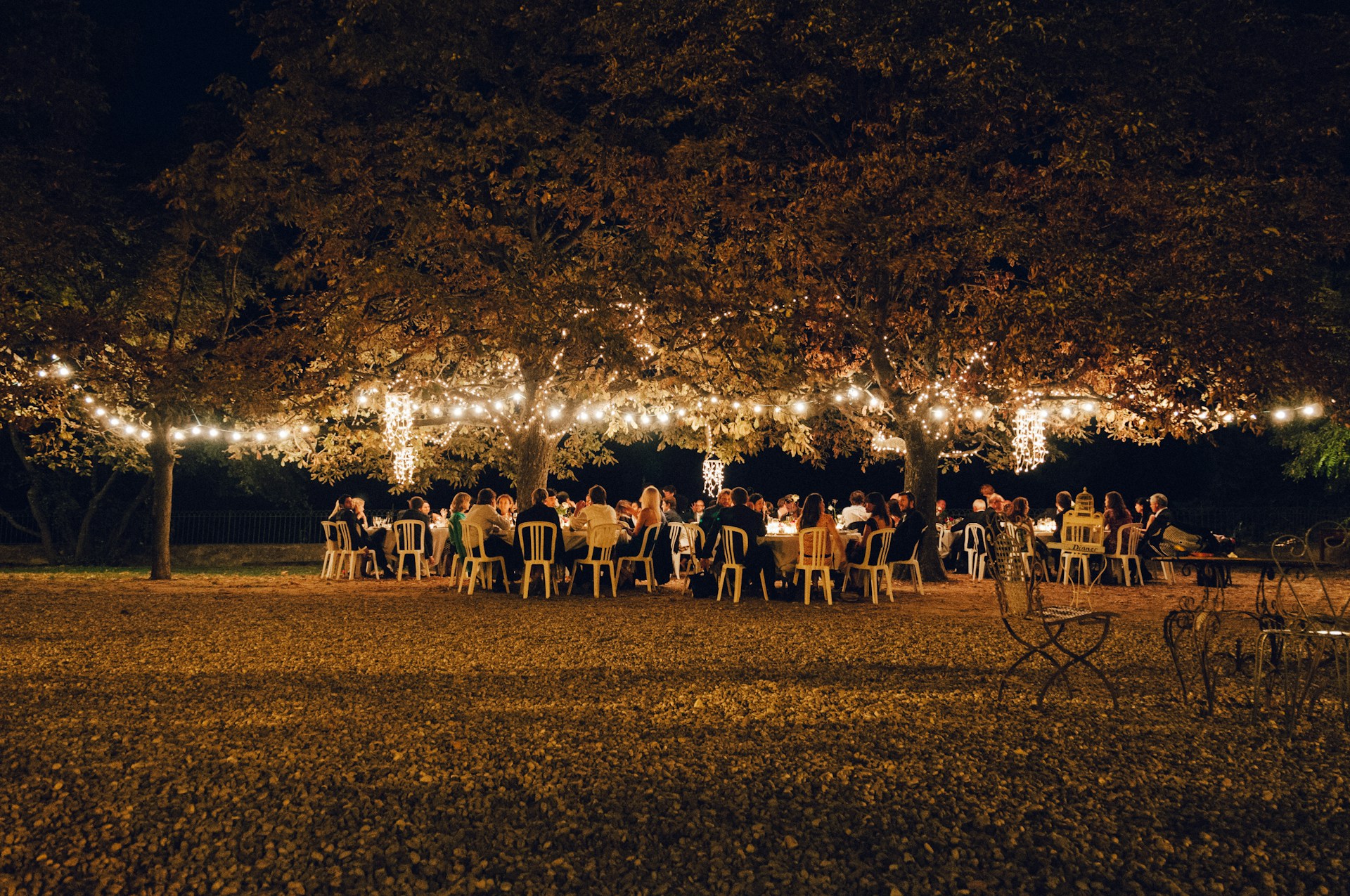
Outdoor lighting often creates the first impression, yet decorative fixtures can become useless during an outage unless they have their own supply. Use rechargeable lanterns along paths and place solar-powered lights around garden borders. Choose warm white models with a steady output, since harsh blue light can make an outdoor dining area feel less inviting.
Keep extension leads away from walkways, wet surfaces and dining areas. Permanent feature lights should be installed on suitable outdoor circuits, while portable products need the correct weather rating for their location.
Before guests arrive, walk from the entrance to the table after dark. Check steps, gates and changes in ground level. If every route remains easy to see when the main lights are off, the garden will stay welcoming through dinner and the final goodbyes.
A blackout-proof evening comes down to one useful test: switch off the nonessential circuits before the party and see what remains. The lights should stay warm, the music should continue and nobody should need to abandon dessert in search of a flashlight.