
Neutral furniture is a contemporary feature seen in many modern properties. Known and loved for their longevity and timeless aesthetic, they serve as a safe, sustainable and staple investment for most homes. Quality linen fabrics, strong oak bedroom sets, and understated seating – how do you incorporate these elements into your home without it feeling flat?
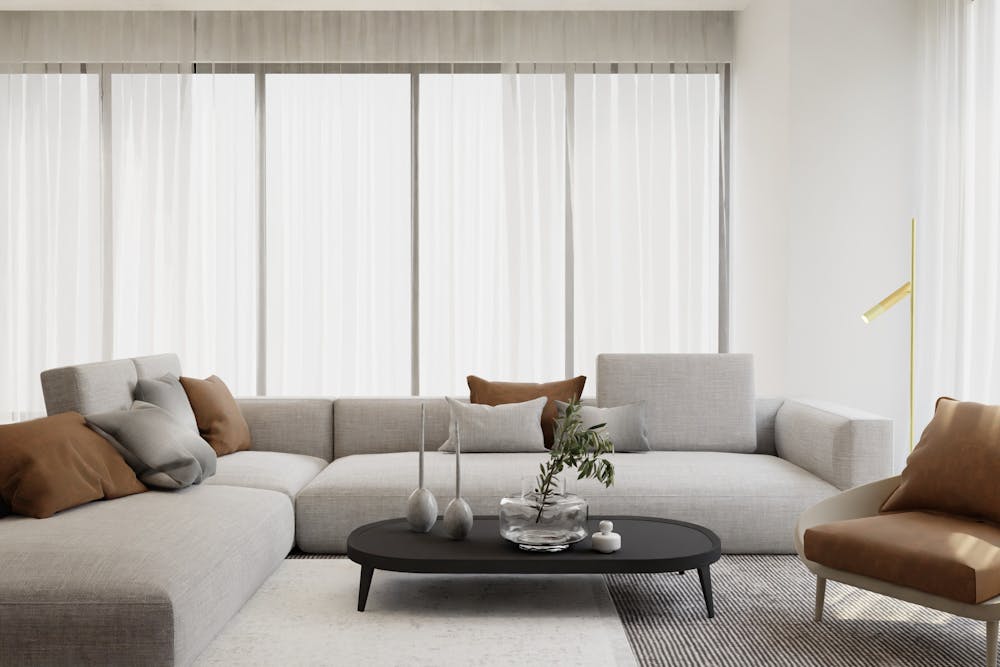
When opting for a calmer foundation, consider adding a thoughtful visual contrast. Adding movement, colour and a touch of personality to your rooms will still preserve the minimalism of neutral furniture, all while ensuring it feels inviting. This is where home decor comes into play. With the likes of ornaments, abstract wall art and layering textiles, you can bring your space to life.
One of the most sought-after approaches when elevating a room is modern abstract art. We are not looking to overpower your well-thought-out neutral home; however, we do want to create balance. When done well, abstract art will transform your property, drawing the eye without disrupting the cohesion.
Understanding Neutrality In The Home
Colour themes that feature light to mid-tone neutrals establish a sense of consistency throughout a home, which is why neutral furniture can be a visual anchor. Creating a calm setting while reducing the visual noise, neutral furniture allows key design elements and your beautiful architectural details to shine. If working with an interior designer, they will often opt to assess the underlying temperature of your colour palette. The temperature of your neutrals will directly influence how art is perceived when added to a room, an essential consideration before selecting any abstract designs. When this is added to your design process, artwork will seamlessly integrate with the home, reinforcing a deliberate interior rather than an imbalance.
Grounded, natural pigments within abstract art carry depth, which helps support the rooms in your property that have a warmer neutral scheme. On the other hand, cooler spaces are better suited when your abstract art pieces feature sharper tonal variations. This is something your interior designer will have the experience to piece together; however, for those completing an interior project without professional help, a little research beforehand will ensure you make the right, informed decisions.
Focal Points
Many add artwork to their neutral walls to serve as a visual anchor. When doing so, there are many considerations – the size of the piece, how many pieces will be added and how to coincide with other elements of the space. For example, one single abstract print above a sofa or bedframe can define the entire room. This is then the piece you base your other decor from, including the colour of the bedding, the accessories and the finer details. Modern abstract art is particularly effective when used as a feature piece as it relies on textures, colours and form rather than the imagery itself.
Scale matters. Oversized prints work well located in areas with generous wall space, while any smaller compositions, sets and gallery walls will add a unique flow to your staircases, hallways and dining areas. It’s important to note that the artwork chosen should feel proportionate to the surrounding furniture and decor, neither opting for artwork that is too small nor overwhelming.
Colour Matching
Let your artwork do the talking – and by that, we mean let your artwork lead the colour palette. This is one of the most effective ways you can implement abstract art, ensuring it remains cohesive with your neutral home. In order to do this successfully, opt for one or two tones found within your new print and mirror these throughout the room with the likes of ceramics, cushions, throws, rugs and other soft furnishings. Your furniture will remain understated while the rest of the space feels cosy, layered and considered. Following this method will guarantee you avoid unnecessary clutter while every piece has a visual purpose.
Design, Colour and Texture
What mood are you trying to achieve in your home? Are you looking to keep things simple and relaxing, or are you open to adding a little more fun and personality? This needs to be one of the first things you decide, especially before shopping for your artwork and prints. Abstract art can range from high-contrast pieces that celebrate expression and boldness, while others are soft, minimal and elevate a home in a subtle, meaningful manner.
For a space filled with clean furniture lines, delicate textures, and minimalism, a bold graphic piece could complement this perfectly while preventing it from feeling flat and unfinished. Conversely, a home designed with multiple textures and materials, like wood, boucle and hard linens, could find that abstract art presenting gentle brushstrokes and tonal variations helps add an element of softness to the room.
It’s essential to factor in that modern abstract art is about far more than your complementary colours. You should ensure your new pieces are considered for their form and texture, also. Contemporary, abstract artists often use many gradients, organic shapes and layered paintwork to produce thought-out designs, which is one of the many factors that make it the perfect companion for neutral furniture.
Framing and Flow
Once you have made an informed decision on your wall art, it’s time to find the right frame. This is important – the wrong frame can completely undo the hard work you’ve just put in selecting the right prints. The right frame will decipher how the art interacts with your neutral walls and existing furniture. There are many options up for consideration. The staple black frame is popular as it coincides with the modern industrial aesthetic. Although wooden and white frames often get overlooked, they make for the perfect introduction of warmth into neutral spaces, including those with a Scandinavian or Japandi-inspired living area.
It is recommended when pairing your abstract art with a frame to avoid the more ornate ones – these can distract from your contemporary look, and we want your frame to work alongside the design, not compete with it.
In open-plan homes, abstract art can be used to create continuity. Repeating a section of colours, styles and textures across rooms, not only maintains a theme but also appears more inviting and draws the eye. Rather than matching prints exactly, consider multiple abstract pieces that share a common visual, such as an accent colour.
Resisting the urge to cover your blank walls in multiple prints is important – we do not want to clutter the home and make it overwhelming. Abstract art works best when it is given the space to stand alone. Remember, it’s there to make an impact, while remaining curated and calm. Your furniture will offer the perfect complement to your prints; do not feel the need to fill negative space.
Neutral furniture and modern abstract art are a natural pairing because they share a common design principle: versatility. Neutral pieces ground a space, while abstract art injects individuality and movement.
Transforming spaces where furniture and art are carefully combined will ensure your home remains timeless, thoughtfully presented and aligns with modern trends. Pay attention to your scale, tones, texture and balance, while bringing depth and character to your space with neutral interiors.