
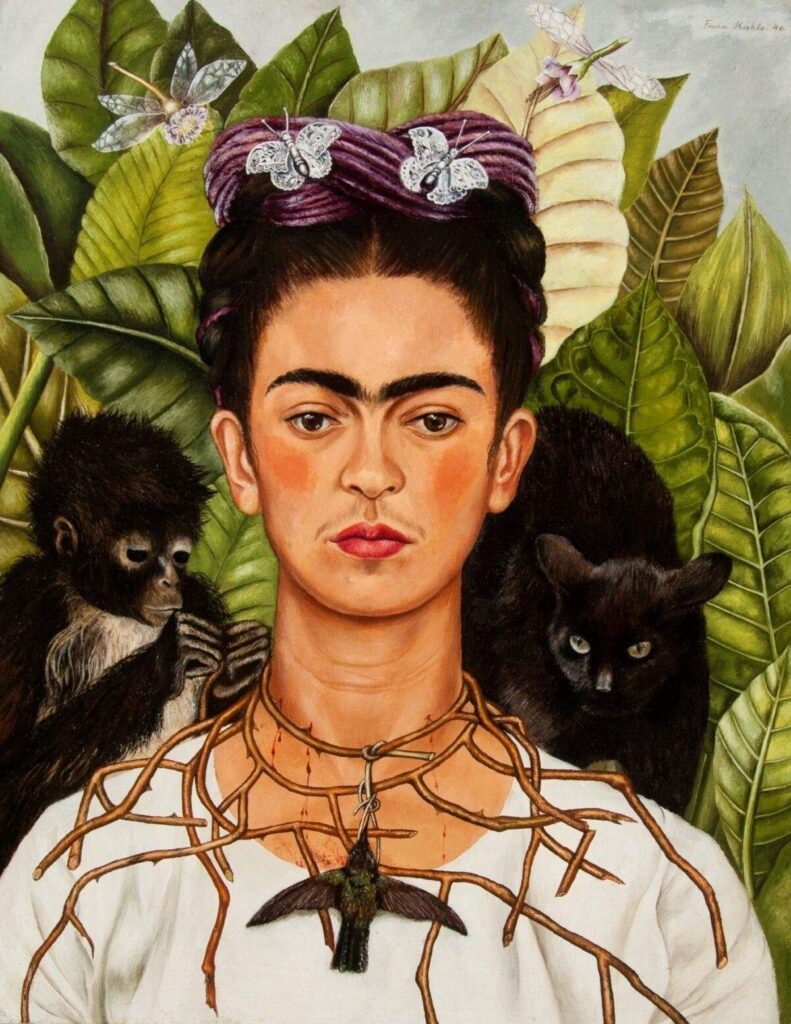
There are very few artists whose face you would recognise on a mug in an airport gift shop. Frida Kahlo is one of them. But here’s the thing — the fact that she ended up on that mug is actually one of the most fascinating stories in the history of modern art, and Tate Modern’s new exhibition, Frida: The Making of an Icon, makes a serious and genuinely compelling case for why that matters.
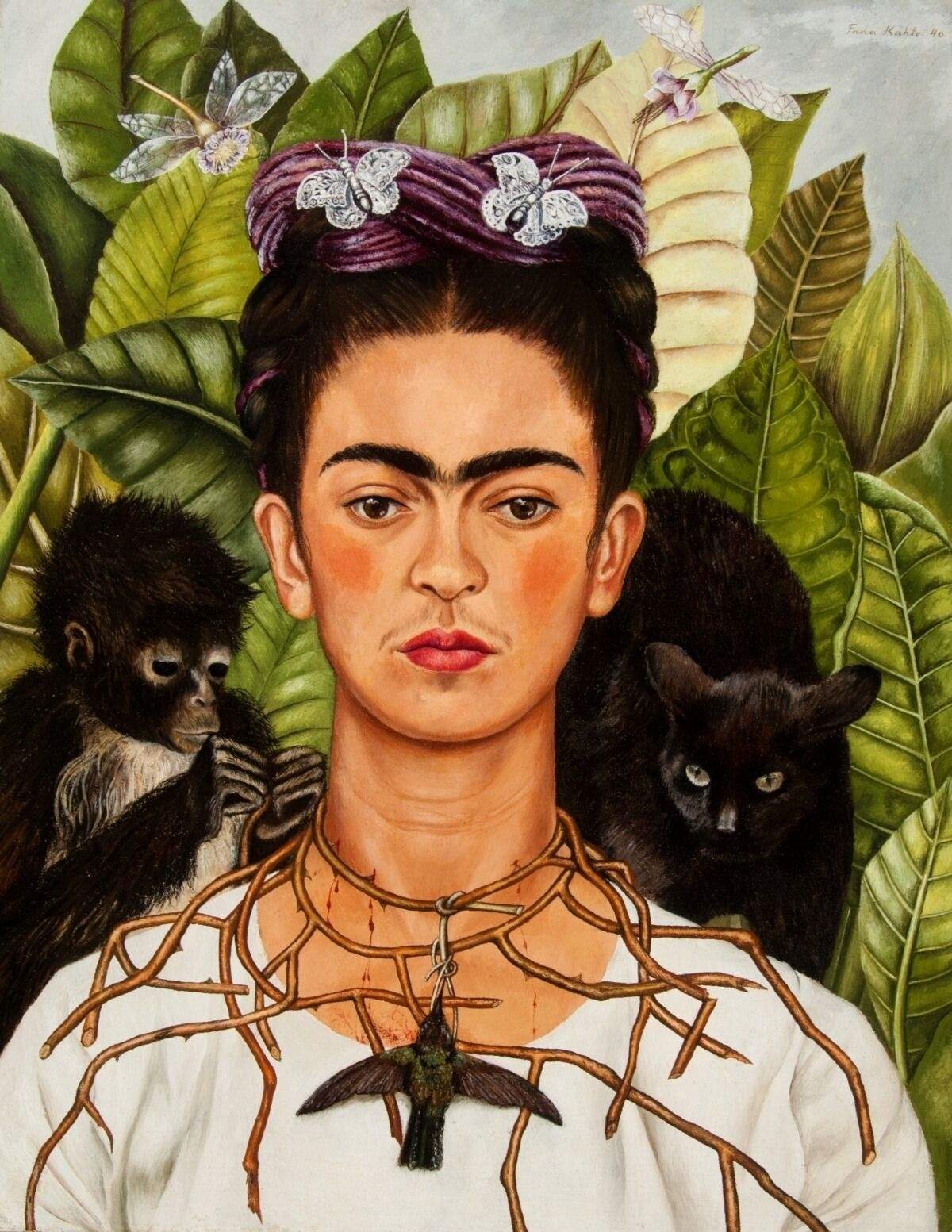
The show opens properly on 22 June 2025 and it’s the first major exhibition to actually ask the question: how did this happen? How did a Mexican painter, largely unknown during her own lifetime, become one of the most recognisable cultural figures on the planet?
Because she wasn’t always an icon. That’s the bit people forget.
Kahlo painted obsessively — her own body, her own pain, her own identity — at a time when the art world wasn’t particularly interested in any of those things, at least not from a woman, and certainly not from a woman in Mexico. She was frequently overshadowed by her husband Diego Rivera, who was the famous one. She sold relatively little. She was rediscovered, championed, and then — somewhere along the way — she became Frida. First name only. You know the one.
What the Tate show does brilliantly is trace that arc through the work itself. There are over 30 of Kahlo’s own paintings here, introducing what the curators call her ‘many selves’ — the devoted (and frequently betrayed) wife, the political activist, the intellectual, the thoroughly modern artist painting thorns into her own neck before anyone had a word for that kind of thing. Alongside the paintings there are garments, jewellery, photographs, personal memorabilia. The woman had extraordinary style, and she knew it — the traditional Tehuana dress, the flowers in the hair, the unibrow worn with complete and utter defiance. That look wasn’t accidental. It was armour and it was art.
But the exhibition goes further than just celebrating Kahlo’s own output. There are over 200 works by the artists she influenced — contemporaries and later generations both — which gives the whole thing a kind of living, breathing quality. You start to see how her ideas rippled outward: through Chicano art, through feminist movements, through queer communities who claimed her as their own, through photographers and painters and film-makers who kept returning to her image and her story because both remain endlessly rich territory.
The final section deals with what the show calls ‘Fridamania’ — and this is where it gets really interesting. Over 200 commercial objects featuring her art, her image, her style and her persona. The tote bags and the fridge magnets and the everything else. It would be easy to treat this as a cautionary tale about commercialisation swallowing an artist whole, but the exhibition resists that reading. Instead it asks something more nuanced: what does it mean when a community — multiple communities — decides that an artist belongs to them? When her face becomes a symbol of resistance, of identity, of belonging for people all over the world who never met her and never could?
That’s the question worth sitting with. Frida Kahlo painted herself because, as she said, she was the subject she knew best. She painted a body in chronic pain — she was badly injured in a bus accident at eighteen and never fully recovered — with a frankness that was genuinely shocking at the time. She painted miscarriage and heartbreak and surgery and politics and Mexican folklore and her own complicated sexuality. She did not make it easy for the viewer and she did not particularly care whether the viewer was comfortable. And yet here we are, nearly seventy years after her death, and she is everywhere.
Maybe that’s the answer. People recognise something real when they see it, even across time and culture and language. The pain is real. The pride is real. The refusal to disappear is very, very real.
Frida: The Making of an Icon is organised by the Museum of Fine Arts Houston in collaboration with Tate Modern, and runs from 25 June to 31 August 2026 for the ticketed food pairing offer — though the exhibition itself opens 22 June. On the food front, there’s a bespoke Mexican menu created in collaboration with Santiago Lastra, founder of Michelin-starred KOL in London, available when you book your exhibition slot. Lunch, dinner or a cocktail. Honestly that sounds like a very good afternoon.
I’m hoping to get over to London for this one. It feels like the kind of show you’d regret missing.
For more information visit tate.org.uk.