
Key Takeaways
- A small coin can preserve the meaning of a major effort, milestone, or act of service.
- Clear symbols and a focused message matter more than packing every detail into one design.
- Texas teams can use challenge coins to recognize identity across public safety, schools, workplaces, sports, and volunteer groups.
- The presentation often gives a coin its lasting emotional value.
- Planning the purpose, recipients, design, quantity, and delivery moment helps turn a keepsake into a tradition.
Across Texas, shared effort takes many forms. It may be a volunteer crew restoring a neighborhood after a storm, a fire department completing demanding training, a school team reaching a season goal, or a business group finishing a difficult project. A custom coin from Lone Star Challenge Coins can give that effort a tangible place in the team’s story. Unlike an email announcement or a digital badge, a coin can be carried, displayed, and revisited years later. Its value is not defined by its size. The real value comes from the moment it represents, the people connected to it, and the reason it was given.
Why Small Tokens Still Matter
Physical objects create a shared reference point. A volunteer group in Houston, a ranch safety crew in West Texas, or a youth coach in the Hill Country can point to one coin and immediately recall what the group overcame together. The item acts as a prompt for a story: who showed up, what was difficult, and why the work mattered. This is especially useful when a group includes new members over time. A coin displayed in an office, station, classroom, or shadow box gives newcomers a visible connection to achievements that happened before they arrived.
From Military Tradition To Modern Texas Teams
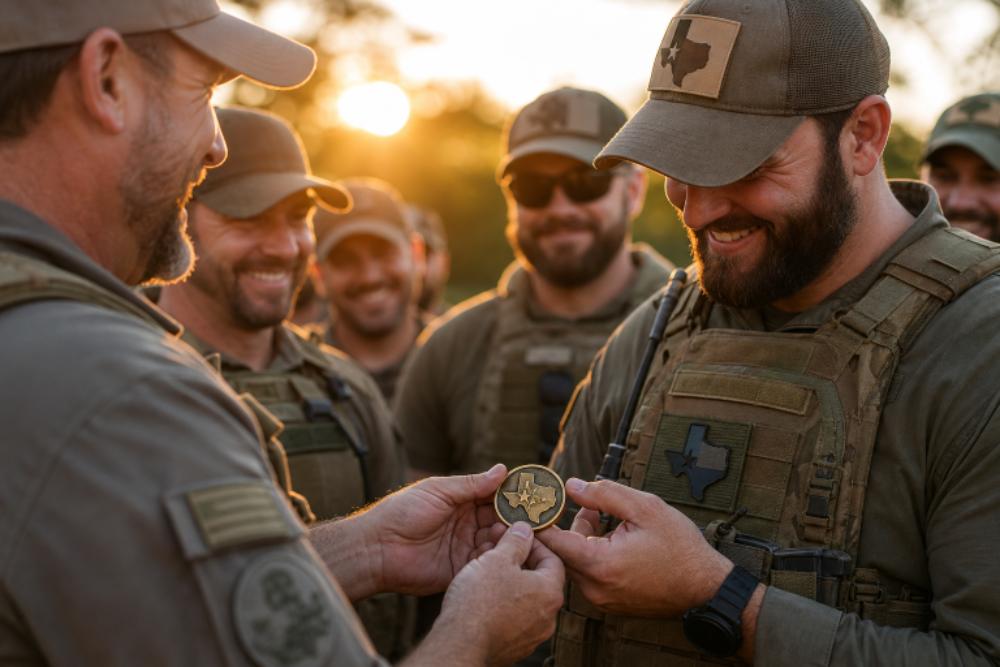
Challenge coins are closely associated with military unit identity, recognition, and camaraderie. The exact origin is not settled, and several stories are commonly repeated, but the challenge coin tradition has long emphasized pride, service, and shared experience. That central idea now translates naturally beyond the armed forces. Public safety agencies, athletic programs, companies, schools, nonprofits, and volunteer organizations can adapt the practice without copying military language or imagery. For example, the Texas Department of Criminal Justice has recognized staff dedication with challenge coins, demonstrating how the format can support workplace recognition in a Texas public service setting.
What Makes A Coin Meaningful?
The strongest coins bring together three simple ideas:
- Identity: The group’s name, symbol, values, or local connection.
- Achievement: The mission, milestone, service, or accomplishment being recognized.
- Memory: A date, location, motto, or image that helps recipients remember the occasion.
A clear message nearly always works better than a crowded design. One short motto, a meaningful Texas landmark, or a symbol known within the team can say more than several competing logos and long lines of text.
Design Elements That Tell A Story
Each design choice should serve the story. Round coins feel traditional, while custom shapes can reflect a badge, a mascot, a building, a tool, or a regional landmark. A larger size allows for more detail, but a coin should still feel practical to carry or display.
- Color: Use a limited palette that supports the group’s existing identity.
- Relief: Raised lettering and images can add depth and make central elements stand out.
- Edges: Roped edges, engraved dates, or subtle text can add character without cluttering the main design.
- Two sides: Let one side identify the team, and let the other record the event or achievement.
Choosing The Right Recognition Moment
Timing shapes the memory. A coin can be especially meaningful when presented immediately after a demanding chapter closes or during a formal gathering where the team can recognize the accomplishment together.
- Training graduation, certification, promotion, retirement, or years of service.
- A completed project, major fundraiser, championship season, or organizational anniversary.
- Emergency response, disaster relief, memorial observances, or sustained community service.
For Texas groups that serve during challenging weather, long-distance travel, or fast-moving local needs, a recognition moment can acknowledge both the result and the discipline required to reach it.
How To Plan A Team Tradition
- Define the purpose. Decide whether the coin welcomes, thanks, honors, or commemorates.
- List recipients early. Confirm who should receive one before setting the quantity.
- Choose one central message. Reduce the story to a phrase everyone understands.
- Select recognizable symbols. Prioritize images with real meaning to the group.
- Review at actual size. Fine lines and tiny text may not remain readable when produced.
- Plan the presentation. Decide who will speak, what story will be shared, and whether the moment is public or private.
- Preserve the context. Keep an event photo or a brief written record for future members.
Common Mistakes To Avoid
- Trying to include every logo, name, date, and slogan on a single surface.
- Choosing attractive imagery that has no connection to the team’s story.
- Approving a design before checking recipient counts and presentation timing.
- Using lettering too small to read without close inspection.
- Handing out coins casually without explaining why recipients earned them.
- Failing to tell new members what an older coin represents.
Questions Teams Often Ask
Are Challenge Coins Only For Military Groups?
No. Although the tradition is strongly connected to military culture, teams in many settings use coins to recognize belonging, service, and achievement.
What Should A Team Include On A Coin?
Start with the group name or symbol, one central image, a short message, and a meaningful event or date. Add only details that strengthen that story.
Should Every Member Receive One?
Give every member a coin when they mark a shared milestone. For individual recognition, a more limited presentation may feel more appropriate.
How Can The Tradition Feel Personal?
Pair the coin with a brief speech, a handwritten note, or a specific example of what the recipient contributed. Context makes the gesture memorable.
Final Thoughts
Texas traditions often endure because they connect people to place, service, shared experiences, and one another. A thoughtfully planned challenge coin can do the same by giving people a physical reminder of an achievement, milestone, organization, or meaningful event. The strongest designs usually begin with a clear purpose and use symbols, words, colors, and details that genuinely connect with the people receiving them. Careful planning can also help ensure that the coin remains readable and visually balanced without becoming crowded with unnecessary elements. The way the coin is presented can add another layer of meaning, whether it is given during a retirement, recognition ceremony, team milestone, volunteer event, or community gathering. With a clear purpose, meaningful design, and sincere presentation, a small token can preserve a shared moment and help recipients remember the people, places, and experiences connected to it long after the work or event is complete.