
Your roof rarely gets much attention until it starts causing problems. A small stain on the ceiling, a few missing shingles, or rising energy bills can turn into a bigger issue faster than most homeowners expect. If you care about curb appeal, comfort, and protecting everything inside your home, it helps to know when repairs are enough and when a full replacement deserves a serious look.
Your roof does more than keep rain out
You probably think of your roof as a shield against weather, which is true, but its job is much bigger. It helps regulate indoor temperature, supports ventilation, protects insulation, and plays a major role in your home’s structure. When roofing materials start to break down, the damage often spreads quietly.
Water can seep into decking, insulation can lose efficiency, and mold can begin growing in hidden areas. Even a roof that looks decent from the street may be underperforming. That’s part of what makes roofing issues tricky. They don’t always announce themselves with dramatic leaks and thunderclap timing.
A healthy roof also affects resale value. Buyers notice an aging roof quickly, especially during inspections. If your home décor is polished inside but the top of the house is struggling, the contrast gets awkward fast.
Repair or replace depends on timing, damage, and cost
A repair makes sense when damage is isolated, and the rest of the roof is still in good shape. A few shingles blown off after a storm? Usually manageable. Flashing failure around a vent pipe? Often fixable. Widespread deterioration across an older roof is a different story.
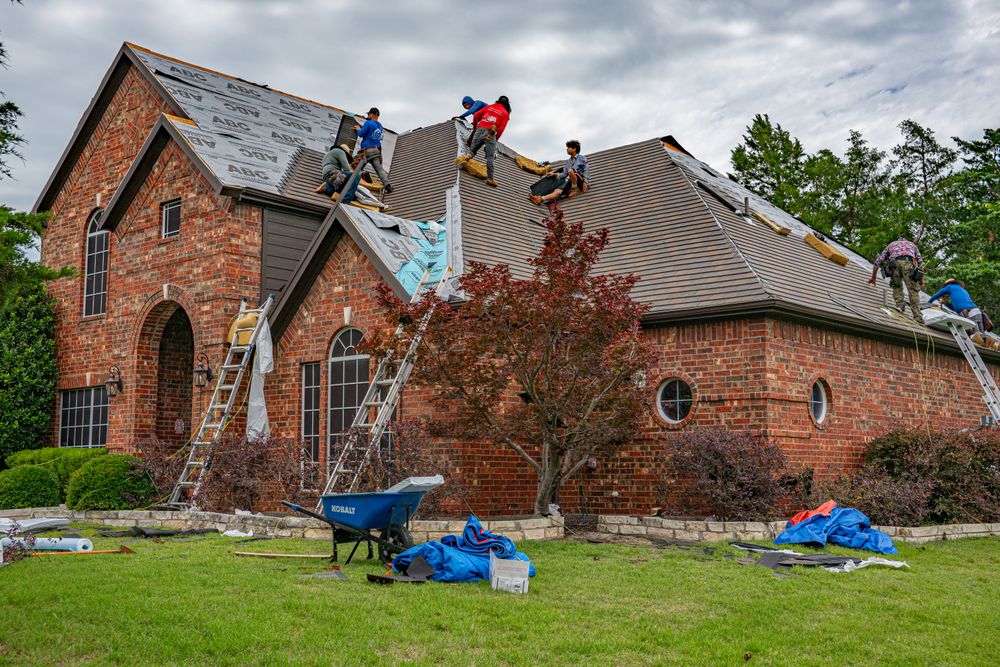
At that point, investing in roof replacement can be the more practical move. You’re not just paying for new shingles. You’re addressing underlayment, ventilation, moisture protection, and the long-term performance of the system as a whole.
A good rule to keep in mind: if repair costs are stacking up, and your roof is already aging, replacement often gives you better value. It can also reduce the stress of wondering what the next storm will uncover. No one enjoys playing weather roulette with their ceiling.
The warning signs you should not ignore
Some roofing problems are obvious. Others are sneaky. If you know what to watch for, you can act before a minor issue becomes a budget-draining mess.
Common signs include:
– Shingles that are curling, cracking, or missing
– Dark streaks, moss, or algae growth
– Granules collecting in gutters
– Sagging rooflines
– Water stains on ceilings or walls
– Daylight visible in the attic
– Sudden spikes in heating or cooling costs
Age matters too. Asphalt shingle roofs often last around 20 to 30 years, depending on materials, climate, ventilation, and installation quality. If your roof is near the end of that range, repeated repairs may start feeling like throwing money at a problem that already has one foot out the door.
You don’t need to panic over every loose shingle. You do need to pay attention when issues repeat.
Materials change how your roof performs and how much you spend
Roofing materials shape the cost, appearance, and lifespan of your next roof. If you’re planning a replacement, it helps to understand the tradeoffs before you commit.
Popular options include:
– Asphalt shingles: affordable, common, and available in many colors
– Metal roofing: durable, energy efficient, and increasingly popular
– Clay or concrete tile: long-lasting and visually striking, though heavier
– Wood shakes: attractive but higher maintenance
– Slate: premium look with excellent longevity, but expensive
Your climate matters here. Homes in hot, humid, storm-prone, or snowy areas need materials suited to local conditions. A roof that looks great on a design board may perform poorly in your region.
You should also think about architectural style. The best roof doesn’t just function well. It should look like it belongs on your house rather than like an afterthought added during a sale weekend.
Installation quality matters as much as the materials
Even the best roofing product can fail early if it’s installed badly. That’s one of the least glamorous truths in home improvement, but it’s a big one. A roof is a system, not a stack of parts.
Proper installation includes:
– Inspecting and replacing damaged decking
– Installing correct underlayment
– Sealing vulnerable areas around chimneys, vents, and valleys
– Providing adequate attic ventilation
– Following manufacturer specs exactly
Shortcuts can lead to leaks, trapped moisture, warped materials, and voided warranties. You may not notice the consequences right away, which makes poor workmanship especially frustrating.
When you compare contractors, ask specific questions. Who supervises the crew? How is debris handled? What warranties are included? Will they document hidden damage if it appears during tear-off? Clear answers usually tell you a lot about how the project will go.
Budgeting for a new roof takes more than one estimate
Roofing quotes can vary a lot, and not always for reassuring reasons. One estimate may include disposal, upgraded underlayment, and warranty coverage, while another looks cheaper because key items are missing.
When reviewing pricing, look at:
– Material type and brand
– Labor and tear-off costs
– Structural repairs if needed
– Flashing, vents, and drip edge details
– Cleanup and disposal
– Warranty terms
– Timeline and weather contingencies
You should get multiple estimates, but don’t choose based on price alone. The lowest bid can become the most expensive if corners get cut. A roof is one of those purchases where cheap can age badly.
If the cost feels steep, think in terms of lifespan and protection. Spreading the investment over 20 years often makes the math easier to understand than staring at one large number on a proposal.
A new roof can improve comfort, efficiency, and style
A replacement roof can do more than solve leaks. It can make your home feel better day to day. Better ventilation and updated materials may help reduce heat buildup in the attic, which can improve energy efficiency and reduce strain on your HVAC system.
You may also notice quieter indoor spaces, better moisture control, and fewer seasonal drafts. Those benefits don’t always show up in flashy before-and-after photos, but they matter when you live under that roof every day.
There’s also the visual upgrade. A new roof can sharpen the whole exterior of your home. If you’ve invested in landscaping, paint, windows, or entry details, an old or worn roof can dull the effect. Replacing it often ties the look together in a way people notice immediately, even if they can’t explain exactly what changed.
Smart homeowners treat roof work like prevention, not panic
The best time to think seriously about your roof is before water starts dripping into a bucket in the hallway. Routine inspections, quick repairs, and clear documentation of your roof’s age and condition help you make better decisions without pressure.
If your roof is showing multiple signs of wear, ask for a professional inspection and a realistic assessment of remaining life. You want facts, not vague reassurance. A well-timed replacement can prevent interior damage, protect your home’s value, and save you from emergency costs later.
Your roof is easy to ignore because it sits overhead and out of sight. Still, it affects nearly every part of your home. Giving it attention before failure hits is less dramatic, more practical, and far better for your budget.