
If you’re thinking about upgrading your home’s exterior, siding deserves more attention than it usually gets. In a place like Marietta, where humid summers, storms, and pollen all put your exterior to work, your siding choice affects more than curb appeal. It shapes maintenance costs, energy performance, and even how confidently you talk about your home when someone says, “Looks great from the street.”
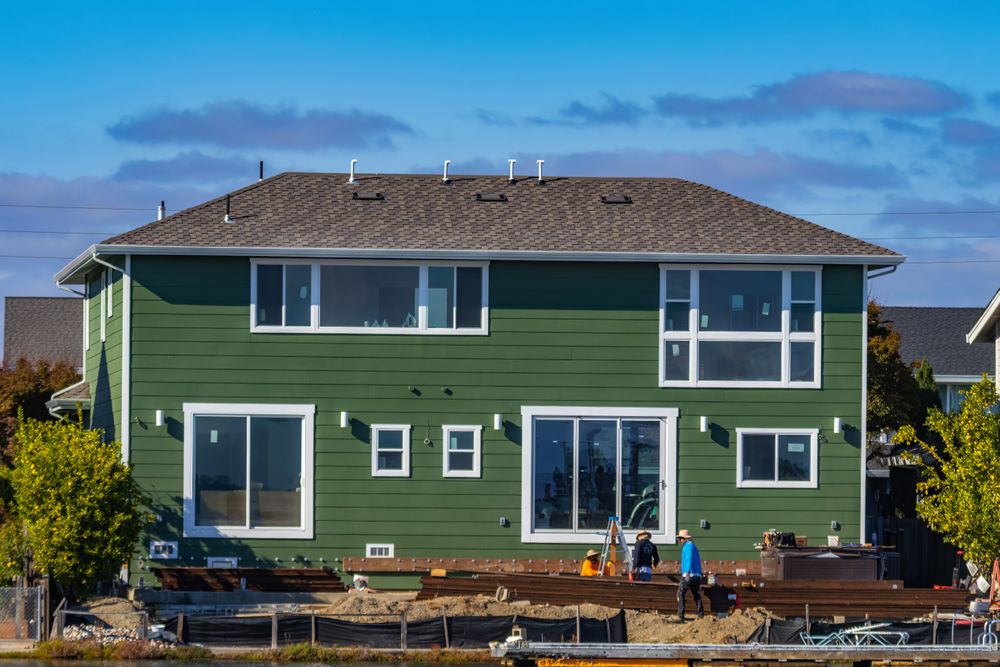
What Siding Really Does for Your Home
Siding is your home’s first line of defense, but it also works as a style decision and a budget decision at the same time. It protects the structure from moisture, wind, sun exposure, and pests. It also changes how polished, modern, or dated your home looks from the curb.
If you pick the wrong material, you may save money upfront and spend more later on repairs, repainting, or moisture issues. If you pick well, you get a cleaner exterior, better insulation performance, and less weekend maintenance. That matters more than most homeowners expect.
Good siding also supports resale value. Buyers notice fading panels, warped boards, and patchy repairs fast. Exterior materials quietly speak for the condition of the whole house, even before anyone walks inside.
Marietta Homes Need Siding That Can Handle Local Conditions
Climate should have a vote in your decision. Marietta homes deal with heat, humidity, heavy rain, and the occasional rough storm. That means your siding needs to resist moisture intrusion, hold up against temperature shifts, and stay stable without constant babying.
For many homeowners, that points toward durable, low-maintenance materials that won’t crack under pressure or trap water behind the panels. Working with a reputable Marietta siding company can help you compare materials that make sense for local weather instead of just looking good in a showroom.
You should also think about mold, mildew, and fading. Some products handle sun exposure better than others, and some are much easier to clean after a long pollen season. Local experience matters here more than marketing brochures ever will.
Know the Most Common Siding Materials Before You Commit
You don’t need to memorize a contractor catalog, but you should understand the basics. Vinyl siding is popular because it’s affordable, low-maintenance, and available in many colors. Fiber cement is tougher, more premium-looking, and resistant to fire and pests, though it usually costs more.
Engineered wood gives you the classic wood look with less upkeep than traditional wood, which can be beautiful but demanding. Metal siding can work well in some designs, especially modern ones, but it’s less common for standard suburban homes.
The trick is matching the material to your climate, maintenance tolerance, and design goals. If you love the look of real wood but hate the idea of repainting and sealing on repeat, that’s not a small detail. That’s your future Saturdays talking.
Pay Attention to Installation, Not Just the Product Label
Even the best siding can fail if it’s installed poorly. That’s one of the least glamorous truths in home improvement, but it’s a big one. Gaps, bad flashing, uneven fastening, and weak moisture barriers can turn a solid product into an expensive headache.
You want proper house wrap, clean trim work, accurate panel alignment, and smart water management around windows, doors, and rooflines. Those details don’t show up in flashy before-and-after photos, yet they determine whether your siding performs for years or starts causing trouble early.
Ask questions about the installation process, warranty coverage, and how damaged sheathing or hidden moisture problems are handled if they appear during the job. A contractor who gets slightly too comfortable saying “it’ll be fine” may not be the one you want holding the nail gun.
Match the Siding Style to the Architecture You Already Have
A good exterior update feels intentional. It doesn’t look like three different houses had a committee meeting. Your siding should work with your roof color, shutters, trim, stone accents, landscaping, and the general shape of the home.
For example, horizontal lap siding often suits traditional homes, while board and batten can sharpen up farmhouse or cottage-style exteriors. Shake-style accents can add texture around gables without making the house look busy. Color matters too. Soft neutrals tend to age better than ultra-trendy shades that may feel dated in a few years.
Drive through neighborhoods you like and pay attention to combinations that look balanced. Notice where contrast works and where it tries a little too hard. A smart siding choice improves character without making your house look like it’s auditioning for social media.
Think Beyond Price and Look at Long-Term Value
It’s easy to focus on the quote and stop there. You should absolutely compare prices, but siding is a long-term purchase, not a disposable upgrade. Lower upfront cost may come with higher maintenance, shorter lifespan, or weaker resistance to moisture and impact.
A more durable product can reduce repainting, limit repairs, and preserve appearance longer. That changes the real cost over ten, fifteen, or twenty years. Energy efficiency can also play a role, especially if your siding upgrade includes insulation improvements or helps seal weak spots in the exterior envelope.
Look at warranties with a skeptical but practical eye. A warranty sounds great, but you need to know what it actually covers, for how long, and under what conditions. Fine print has ended many beautiful home improvement daydreams.
Questions You Should Ask Before Hiring a Siding Contractor
Before signing anything, ask for proof of licensing, insurance, and local project experience. You should also request a written estimate that clearly breaks down labor, materials, disposal, trim details, and any possible extra charges if hidden damage is found.
Ask who will be on-site each day, how long the project should take, and what communication looks like if weather or material delays happen. You’ll also want to know how they protect landscaping, manage cleanup, and handle punch-list items at the end.
Photos of past work help, but references matter more. Talking to past clients can reveal whether the crew was punctual, respectful, organized, and responsive after the check cleared. You’re not only buying siding. You’re buying project management, workmanship, and peace of mind.
The Best Siding Choice Balances Looks, Performance, and Reality
The right siding does three jobs well: it protects your home, improves its appearance, and fits the way you actually live. Not the fantasy version where you love maintenance, monitor trim caulk for fun, and have endless patience for repairs.
A practical decision usually blends weather resistance, manageable upkeep, architectural fit, and reliable installation. If you keep those priorities in focus, you’re less likely to get distracted by trendy finishes or sales talk that sounds polished but says very little.
Take your time, compare materials carefully, and work with professionals who understand local conditions. A smart siding upgrade can make your home look better immediately and perform better for years. That’s a rare home improvement win, and it’s worth getting right.