
Manchester United is a commercial organisation built around stadium income, broadcasting distributions, sponsorship deals, retail products, digital memberships, and global audience relationships. In the financial year ended 30 June 2025, the club reported total revenue of £666.5 million, showing the scale of its operation even during a season without Champions League football.
International payments create practical challenges for football retail, especially when customers use different currencies, checkout methods, and regional payment systems. Businesses address these issues through crypto payment infrastructure provided by gatewaycrypto.io for digital commerce, settlement control, and cross-border transactions.
How the Main Business Lines Work
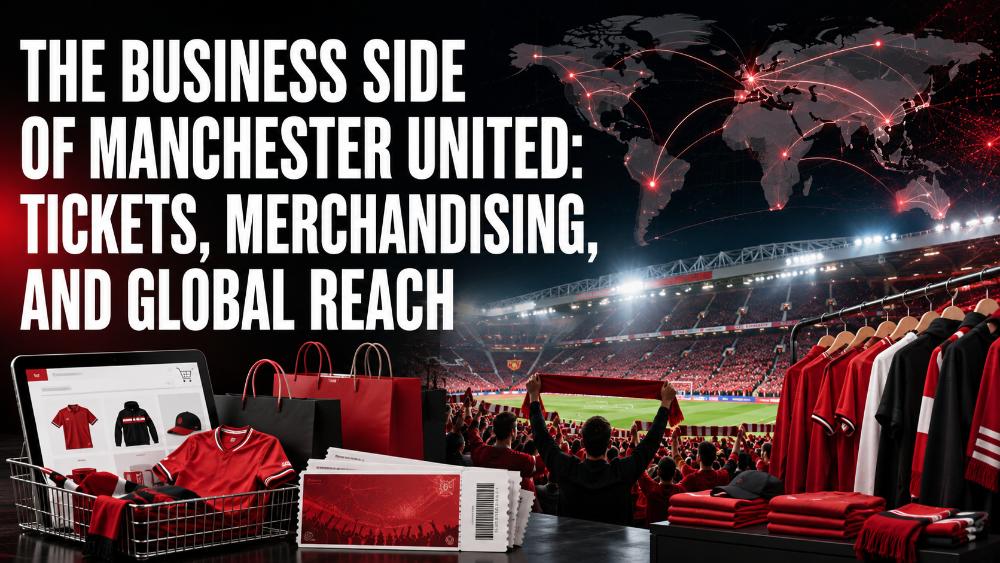
Manchester United’s business model connects local stadium demand with international media and retail markets. Tickets bring supporters into Old Trafford, merchandise extends the brand beyond Manchester, and global reach helps attract sponsors that want visibility across continents.
Matchday Revenue
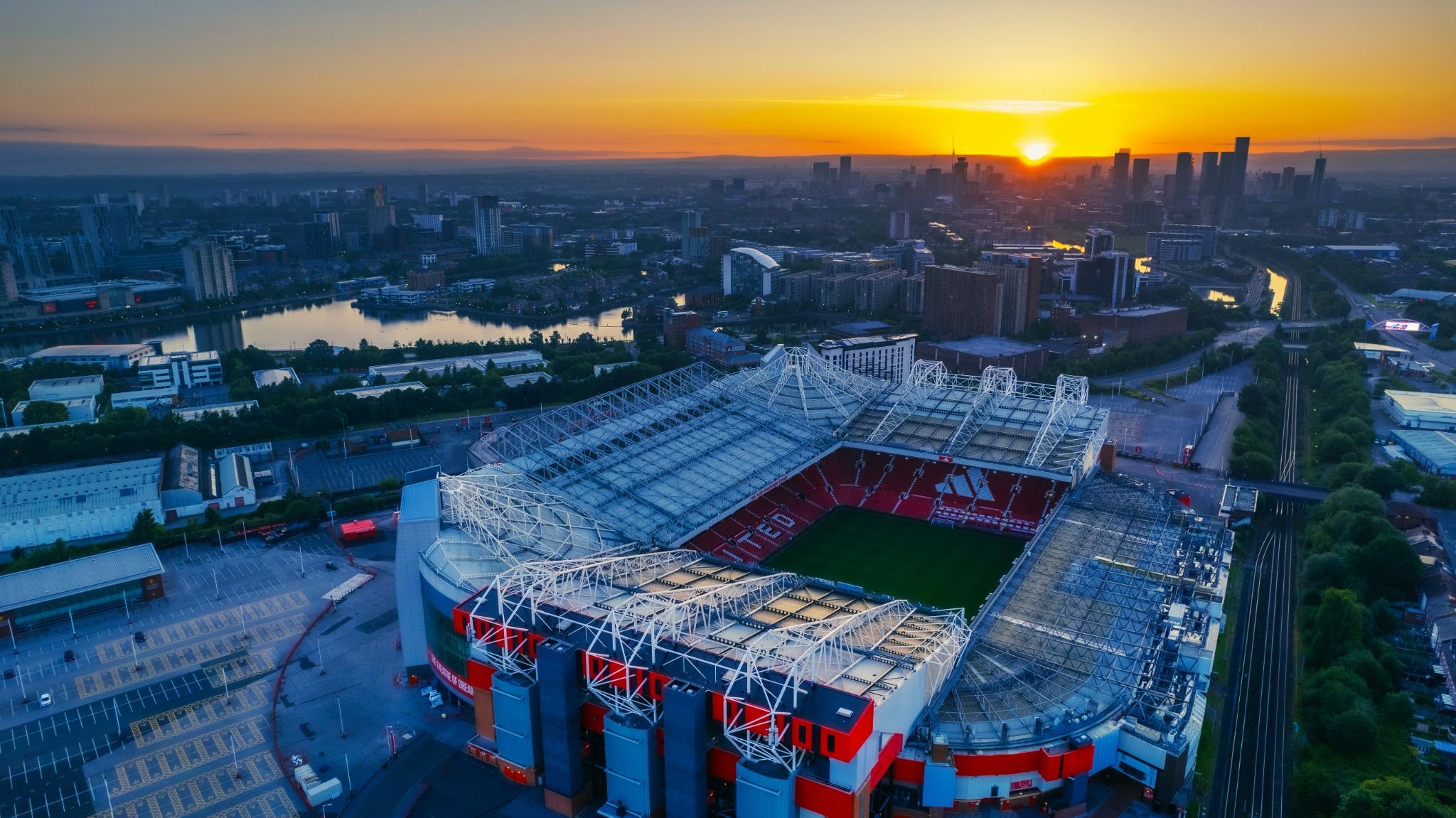
Matchday revenue comes from ticket sales, hospitality, memberships, stadium tours, museum visits, and other activity tied to Old Trafford. The stadium holds roughly 74,000 spectators, making every home fixture a major revenue event. Season tickets also give the club advance cash flow and a predictable base of attendance.
The matchday business has several practical parts:
- Season ticket sales create recurring demand before fixtures begin.
- Hospitality packages add premium income from lounges, dining, and better seating.
- Cup matches and European fixtures increase the number of high-demand events.
Merchandising
Merchandising covers shirts, training wear, scarves, lifestyle products, collectables, and co-branded items. The shirt is the most visible retail product because it carries the club crest, kit supplier branding, and front-of-shirt sponsor. A new kit cycle creates international demand through the official store, partner retailers, and regional distribution.
Retail merchandise depends on stock planning and product timing. Home, away, and third kits follow seasonal launches, while player transfers and cup campaigns influence demand for names and numbers. Online store payments also matter because customers buy from different countries, use different currencies, and expect delivery tracking.
Shirt sponsorship is a separate commercial line from shirt sales, but the two connect visually. The sponsor receives global exposure through matches, highlights, social media, retail photos, and supporter wear. For Manchester United, that visibility has major value because the brand travels far beyond domestic match attendance.
Broadcasting Income
Broadcasting income comes from the Premier League, domestic cups, UEFA, and international media arrangements. In 2025, Manchester United reported £172.9 million in broadcasting revenue, down from the prior year because the European competition mix affects distributions.
Media revenue differs from ticketing because it is not limited by stadium capacity. A supporter in Asia, Africa, North America, or Europe follows matches through broadcasters, streaming platforms, highlights, mobile apps, and social channels. This global visibility also strengthens sponsorship value because commercial partners want audiences far beyond Old Trafford.
Broadcasting also supports the retail funnel. A televised match shows the kit, sponsor, manager, players, stadium, and crowd. When a goal, debut, or derby match creates attention, the online shop and digital channels receive more commercial opportunity.
Digital Memberships
Digital memberships help the club maintain a direct relationship with supporters who do not attend matches. These products include ticket priority, content access, retail benefits, email updates, and supporter communications. They also help the club collect first-party data about location, preferences, and purchase behaviour.
Digital membership value sits in several areas:
- Supporter identification across ticketing, retail, and content platforms.
- Direct communication for match updates, product launches, and membership renewals.
- Retail benefits that connect online purchases with supporter accounts.
- Priority access systems for tickets, tours, and special events.
- Audience data that supports sponsorship reporting and campaign planning.
This data matters because global football commerce depends on direct relationships. A club with millions of followers still needs identifiable customers for memberships, online purchases, newsletters, app use, and ticket demand.
Global Fan Base
Manchester United’s global reach is one of its strongest commercial assets. Supporters outside the UK follow matches, buy shirts, join memberships, watch content, and engage with sponsors.
International fan bases also change the way the club manages payments and retail. A shirt order from Singapore, a membership renewal from Canada, and a digital content purchase from Europe each require reliable checkout, tax handling, delivery information, fraud screening, and customer support. Global football commerce has become a retail and data operation as much as a sport operation.
Why the Business Model Still Matters
Manchester United’s commercial model depends on stadium use, sponsorship delivery, e-commerce systems, content distribution, and audience management. Tickets, merchandising, and global reach work together because each one turns supporter attention into a different revenue stream.
The club’s scale shows how modern football organisations operate as media, retail, entertainment, and data businesses at the same time. Matchday sales connect the club to local supporters, broadcasting expands the audience, and merchandise gives global fans a direct commercial link to the brand. That mix explains why Manchester United remains a major business case in global football commerce.