
As energy costs continue to rise and grid reliability becomes increasingly uncertain, homeowners are actively seeking ways to achieve energy independence. Traditional solar installations, while beneficial, often fall short during power outages and fail to maximize energy efficiency without proper storage integration. This is where hybrid inverters emerge as the cornerstone of modern 4KW complete home solar systems, revolutionizing how residential properties manage and store power.
These sophisticated devices serve as the brain of complete home solar solutions, seamlessly orchestrating power flow between solar panels, battery storage, and the grid. By enabling intelligent energy management, hybrid inverters not only enhance system reliability but also optimize energy consumption patterns. Their ability to provide uninterrupted power during outages while maximizing solar self-consumption represents a significant leap forward in residential energy technology, offering homeowners the perfect balance of energy resilience, efficiency, and independence from traditional power grids.
Understanding Residential Energy Systems and Hybrid Components
Modern residential energy systems have evolved significantly from simple grid-tied solar installations to sophisticated hybrid setups that maximize energy independence. At the heart of these systems lies an intricate network of components working in harmony. Solar panels serve as the primary energy generators, converting sunlight into DC power through photovoltaic cells. These panels connect to hybrid inverters, which act as intelligent power managers, converting DC to AC power while orchestrating energy flow between various system components.
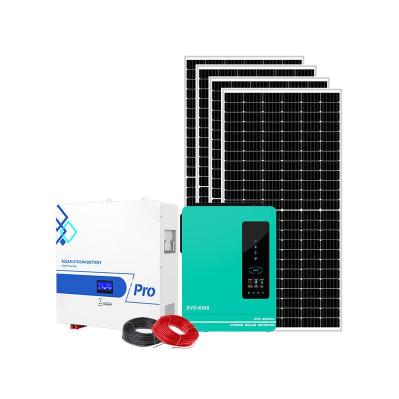
Battery storage systems have become integral to complete home solar solutions, enabling energy storage during peak production hours for use during nighttime or cloudy periods. Advanced lithium-ion batteries, like those from Anern, coupled with smart controllers, provide reliable backup power while maintaining optimal charging cycles. The evolution from traditional grid-tied systems to hybrid configurations represents a significant advancement in residential energy technology, offering homeowners unprecedented control over their power consumption and generation.
The integration of these components through hybrid inverters creates a resilient energy ecosystem that can automatically switch between power sources based on availability and demand. This seamless coordination ensures consistent power supply while maximizing the economic benefits of solar investment through intelligent energy management and storage utilization.
Hybrid Inverter Core Benefits for Home Solar
Hybrid inverters revolutionize residential solar installations by providing seamless power source transitions that traditional systems cannot match. When grid power fluctuates or fails, these sophisticated devices automatically switch to battery or solar power without interruption, ensuring continuous electricity supply to essential home systems. This intelligent power management significantly enhances system reliability while eliminating the common concerns about solar energy availability during nighttime or adverse weather conditions.
The technology’s most compelling advantage lies in its ability to maximize solar energy self-consumption. By intelligently directing excess solar power to battery storage during peak production hours, hybrid inverters ensure that valuable clean energy isn’t wasted. The system continuously monitors household consumption patterns and adjusts power flow accordingly, storing energy when generation exceeds demand and releasing it during high-consumption periods.
Advanced hybrid inverters also excel at optimizing battery charging cycles, particularly during off-peak grid hours when electricity rates are lower. This strategic charging approach, combined with sophisticated power management algorithms, helps homeowners achieve substantial cost savings while extending battery life through controlled charging patterns. The backup power functionality provides critical support during outages, maintaining power to essential circuits and ensuring household resilience against grid instability.
Technical Specifications: Hybrid System Architecture
Modern hybrid inverter systems operate within carefully defined technical parameters to ensure optimal performance and safety. These systems typically achieve power conversion efficiency rates of 96-98% during DC to AC conversion, with sophisticated Maximum Power Point Tracking (MPPT) algorithms continuously optimizing solar input. Residential hybrid inverters commonly support input voltage ranges from 120V to 500V DC from solar arrays, while maintaining stable 240V AC output compatible with standard household circuits.
Smart BMS Integration Essentials
The Battery Management System employs CAN bus and Modbus protocols for real-time communication between system components, enabling precise monitoring and control. Advanced cell balancing mechanisms maintain voltage differences within 10mV across battery cells, while integrated safety features include overcurrent protection, short circuit prevention, and multi-stage temperature monitoring. The thermal management system maintains optimal battery temperature between 20-35°C through active cooling and heating elements, extending battery lifespan and maintaining peak performance.
Critical safety features include galvanic isolation between DC and AC circuits, rapid shutdown capability compliant with NEC 2017/2020 requirements, and sophisticated arc fault detection. The system architecture incorporates redundant microprocessors for failsafe operation, with automatic fault detection and isolation protocols that prevent cascade failures. This comprehensive approach to system safety and performance optimization ensures reliable operation while maximizing energy efficiency and battery longevity.
System-Level Optimization Techniques
Effective system-level optimization begins with comprehensive load profiling tailored to 4KW residential installations. This involves analyzing peak usage patterns throughout different seasons and adjusting system parameters accordingly. Smart load scheduling helps distribute power consumption evenly, reducing strain on batteries and maximizing solar utilization. Critical loads receive priority allocation during limited power scenarios, ensuring essential systems maintain operation even under challenging conditions.
Performance Modeling Strategies
Solar yield forecasting employs advanced algorithms that consider local weather patterns, panel orientation, and seasonal variations to predict energy generation accurately. These models integrate historical performance data with real-time monitoring to optimize system output. Battery cycle life optimization focuses on maintaining optimal depth of discharge levels, typically between 20-80%, while implementing smart charging strategies that respond to both usage patterns and grid pricing signals.
ROI calculation frameworks incorporate multiple variables including electricity rate structures, solar production patterns, and battery degradation rates. The analysis considers time-of-use pricing benefits, potential Virtual Power Plant (VPP) revenue, and reduced grid dependency. Advanced modeling tools factor in equipment lifecycle costs, maintenance requirements, and projected energy price increases to provide accurate long-term financial projections. This comprehensive approach enables homeowners to make informed decisions about system configurations while maximizing their investment returns through optimized performance parameters.
Addressing Solar Energy FAQs for Professionals
Grid infrastructure compatibility remains a primary concern for solar installations, particularly with hybrid systems. Modern hybrid inverters are designed to meet IEEE 1547 standards, ensuring seamless integration with existing power grids through sophisticated anti-islanding protection and power quality management features. These systems automatically maintain grid synchronization while adhering to local utility requirements for voltage regulation and frequency control.
Regulatory compliance encompasses multiple aspects, from NEC 2020 rapid shutdown requirements to UL 1741 SA certification for smart inverter functionality. Installers must verify local jurisdiction requirements for energy storage systems, particularly regarding fire safety codes and setback distances. Additionally, interconnection agreements with utilities often require specific inverter settings and monitoring capabilities, which modern hybrid systems readily accommodate.
Maintenance protocols focus on preventive measures, including quarterly inspection of DC connections, annual thermal imaging of critical components, and regular firmware updates to maintain optimal performance. Remote monitoring capabilities enable proactive maintenance through automated alert systems that identify potential issues before they affect system operation.
The Future of Residential Solar Power Systems
Hybrid inverters have emerged as the cornerstone technology driving the evolution of residential solar power systems. Their sophisticated power management capabilities enable homeowners to maximize solar energy utilization while ensuring reliable backup power during grid outages. By seamlessly integrating battery storage, grid power, and solar generation, these systems deliver unprecedented control over household energy consumption and costs.
The technical advantages of hybrid inverters extend beyond basic power conversion, incorporating advanced features like intelligent load management, optimized battery charging, and sophisticated safety protocols. As grid instability becomes more common and energy costs continue to rise, these systems provide a robust foundation for energy independence. Looking ahead, the continued advancement of hybrid inverter technology, coupled with improving battery storage capabilities, will further enhance the viability of residential solar solutions.
For technical professionals working in the renewable energy sector, understanding and implementing hybrid inverter systems represents a critical skill set. These solutions not only meet current energy needs but also provide the flexibility to adapt to future technological developments and changing energy landscapes. The investment in hybrid inverter technology today sets the stage for more resilient, efficient, and sustainable home energy systems tomorrow.