
Most people start working out because something stopped fitting. A pair of pants that used to sit comfortably now pinches at the waist, or a favorite shirt pulls across the chest in a way it never did before. That moment of friction between your body and your wardrobe is small, private, and surprisingly motivating.
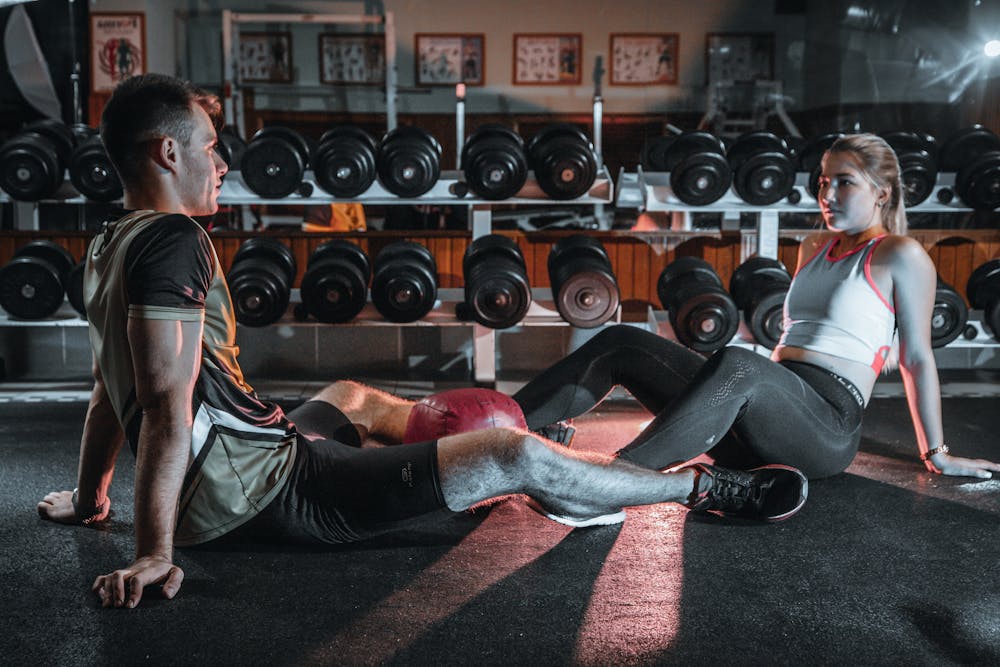
But the thing about getting into better physical condition is that the benefits rarely stay contained to one area of your life. You fix the fit of your clothes, and somewhere along the way, you start standing a little taller at dinner, holding eye contact a beat longer, and feeling less self-conscious when someone puts a hand on your back. The gym has a funny way of doing that. You show up to fix one problem and walk out months later with improvements that extend into your confidence and relationships.
Why Your Clothes Fit the Way They Do
Body composition determines how fabric falls on you. Two people who weigh the same amount can wear the same size pants and look completely different in them because of how their muscle and fat are distributed. When you carry more lean tissue in your shoulders, chest, and legs, garments tend to drape in a way that follows the lines manufacturers designed for. Excess body fat stored around the midsection, hips, or upper arms creates tension in seams and bunching in areas where the fabric was meant to lay flat.
Resistance training in particular changes the ratios. Building muscle in your upper back, for example, improves how a blazer sits on your frame. Developing your glutes and hamstrings fills out trousers in the right places rather than the wrong ones. These are measurable, physical changes that have nothing to do with losing a certain number of pounds on a scale and everything to do with altering where your body holds its mass.
According to the American College of Sports Medicine’s 2026 Worldwide Fitness Trends survey, which collected responses from 2,000 fitness professionals, exercise for weight management ranked 3rd for 2026, its highest position to date. People are paying closer attention to how their bodies look and feel inside their clothing, and the fitness industry is responding accordingly.
How Your Body Feeds Your Confidence in Romantic Relationships
Research published in SAGE Journals found that self-perceived attractiveness, body-esteem, and confidence in appearance all predicted self-esteem, and in each case, romantic self-confidence acted as a mediator. Getting stronger or leaner changes how you carry yourself around a partner or a date, and that shift in self-perception tends to register with the people around you.
A PubMed-indexed review also confirms that chronic exercise likely enhances sexual satisfaction indirectly by preserving autonomic flexibility and improving body image. The connection between physical fitness and romantic fulfillment has solid backing.
A study in Frontiers in Sports and Active Living, surveying 443 adults, found that physical activity had a beneficial influence on both sexual satisfaction and marital satisfaction. Put plainly, wellness improves your love life in ways that go well beyond appearance alone.
The Mental Side of Getting Dressed
There is a feedback loop between your physical state and your mood that plays out every morning when you open your closet. When clothes fit well, you spend less time second-guessing what to wear. You grab something, put it on, and leave the house without cycling through multiple options that all felt wrong.
That sounds trivial, but the accumulated effect of starting your day frustrated with your own reflection is real, and it influences how you interact with other people.
The ACSM survey also found that 78% of exercisers cite mental or emotional well-being as their top reason for working out, ahead of physical fitness or appearance goals. People are exercising because it makes them feel better in their own skin, and that feeling carries forward into their wardrobes, their relationships, and their daily routines.
Physical Fitness and Sexual Satisfaction
The research on this point is worth sitting with. The PubMed-indexed review mentioned earlier notes that regular exercise preserves autonomic flexibility, which benefits cardiovascular health and mood regulation. Both of those factors play a direct role in sexual function and satisfaction for men and women.
When your cardiovascular system works efficiently, blood flow improves. When your mood is stable and your anxiety is lower, intimacy becomes less loaded with tension.
And body image matters here, too. Feeling good about your physical self when you are undressed with another person affects how present and responsive you are. That is not a vague self-help claim. The data supports it plainly.
Clothes as a Proxy for How You Feel About Yourself
A well-fitting shirt does not fix a broken relationship. But it is a signal, both to you and to the people who see you, that you are paying attention to yourself. You are taking care of the body you have. That kind of attentiveness tends to carry over into how you treat a partner, how you show up on a first date, and how willing you are to be vulnerable.
When you lose 15 pounds of fat and add 5 pounds of muscle, your favorite jacket fits differently. Your posture changes because your core is stronger. You make eye contact more easily because you are not quietly hoping nobody notices how tight your collar is. These are small, practical shifts that add up over time.
When Milestones Follow the Work
Relationships tend to deepen when both people are invested in themselves. Getting into better physical condition often coincides with other forms of personal progress, and the milestones that follow—engagements, anniversaries, meaningful commitments—deserve to be marked with something that reflects the care you have put in. Every GOODSTONE ring is bespoke and handcrafted by generational artisans in Los Angeles, using the most durable alloys of gold and platinum.
Starting Without Overthinking It
You do not need a 6-day training split or a meal prep service to begin. Walk for 30 minutes a day. Add 2 sessions of resistance training per week. Eat enough protein. Sleep 7 to 8 hours. These are simple, effective recommendations because they work, and they work for almost everyone.
The clothes will start to fit better within a few weeks. The confidence will take a little longer, but it builds steadily and without much fanfare. And the people closest to you will notice before you do.
Conclusion
Getting in shape often begins with something small, like a shirt that no longer fits the way it used to. But the changes that follow rarely stay limited to your wardrobe. As your body becomes stronger and more balanced, your posture, confidence, and presence begin to shift in ways that affect how you relate to others.
The improvement is gradual, but it is consistent. Clothes start to sit better. Daily decisions feel easier. Interactions become more natural. Over time, those small changes compound into something more meaningful—stronger relationships, better self-perception, and a greater sense of ease in your own life.