
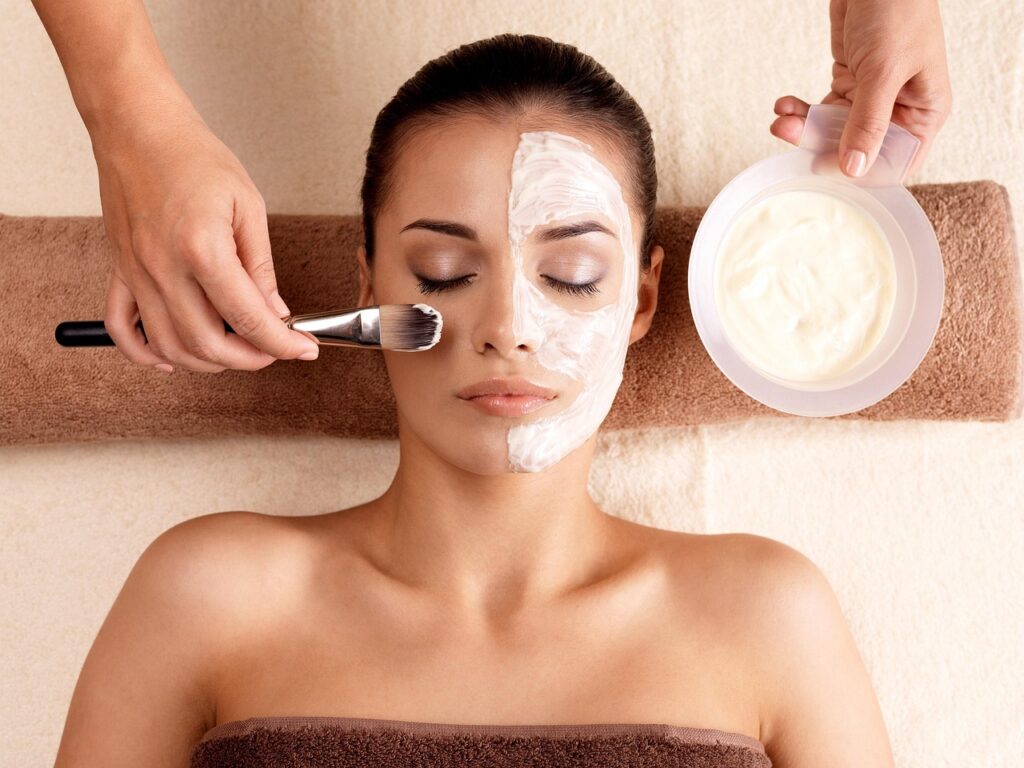
Self-care. A purposeful, daily practice of maintaining your physical, mental and emotional health. It’s not self-indulgent; it’s an essential routine for managing stress and well-being within our busy lifestyles.
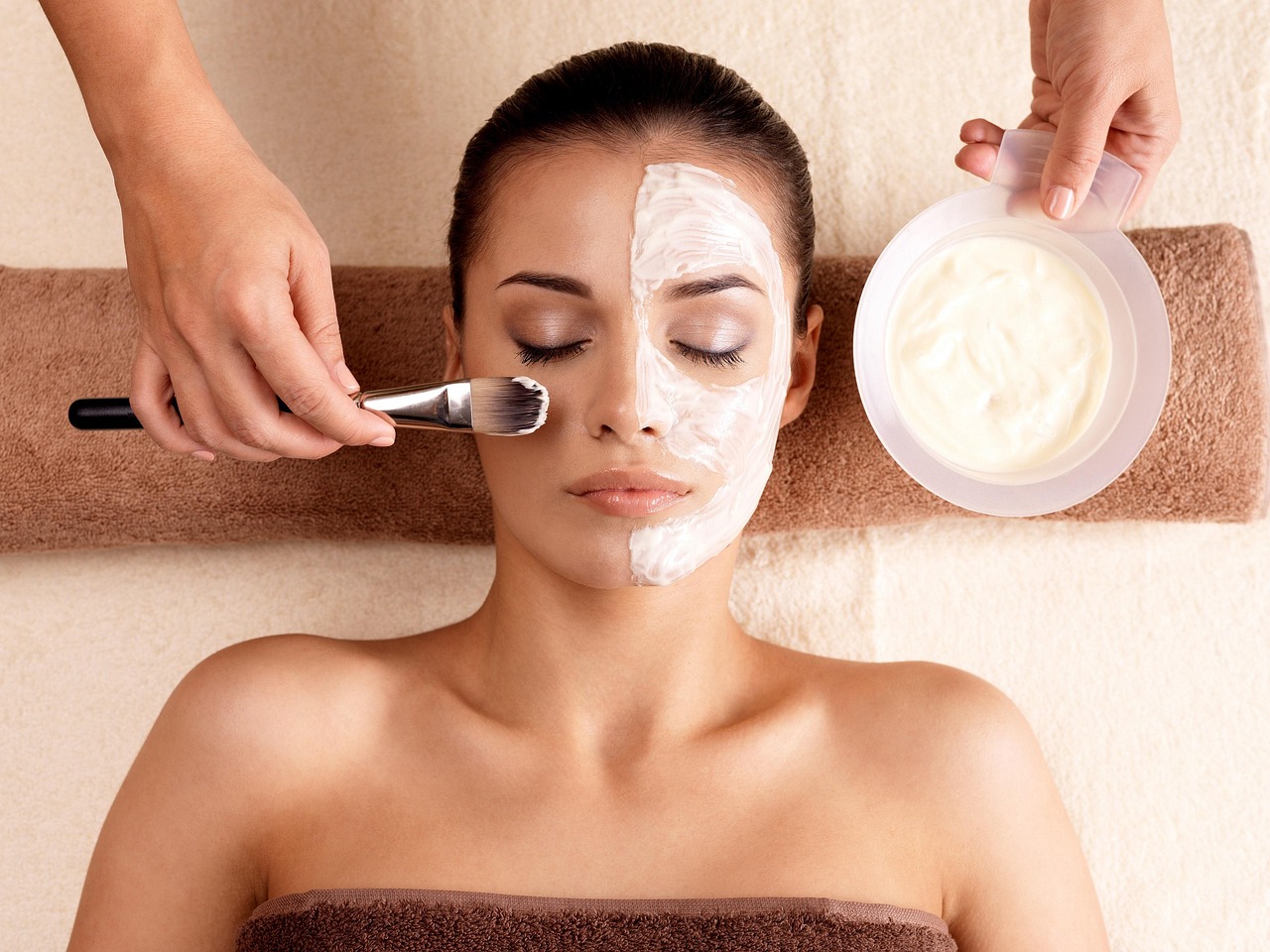
Today, modern technology is reshaping everyday self-care, from smart devices to sophisticated apps. Technology has changed self-care from being a purely manual activity to a holistic approach that is highly personalised and data-driven. Technology enables a proactive strategy to deliver our wellness goals.
Technological advances in skincare are also transforming the industry through AI-driven outputs, advanced device technology and deeper cellular-level treatments.
Convenient and Bespoke Technology
In 2026, technology is transforming self-care from a reactive, occasional activity into a proactive, continuous, convenient and accessible daily routine.
The buzzword for technologically enhanced self-care is ‘preventative’ health. The current trend is advanced wearables that focus on quality of life, with a longevity end goal. In Australia, there are a variety of wearables, from advanced smartwatches, specialised health and fitness trackers, smart apparel, specialised wearables and hearables.
Smartwatches, Fitness Trackers and Hearables
Smartwatches not only help us manage our lives but are also used for general health monitoring. Health and fitness trackers, such as the Oura Ring 4 or Samsung Galaxy Ring, focus on biometrics like sleep stages and recovery. Hearables, such as smart earbuds, offer active noise cancellation, real-time language translation or fitness coaching, like Kentfaith Real-Time Translation Earbuds.
Specialised Wearables
In our increasingly technology-supported reality, there now exists smart apparel, such as biometric sensors in running shoes that measure our gait and technique, offered by pioneers like Stryd, as well as specialised ‘wearables’ such as the advanced product a company like INS LifeGuard Technologies provides. This particular wearable is a specialised smartwatch, directly connected to nurses who monitor falls and other emergency alerts for the elderly.
Sophisticated Cellular Body Scans
Withings Body Scan 2, a scale that measures over 60 biomarkers, offers preventative micro-routines, which can track individual health needs and also give recommendations in real-time to better manage our health. This technology is launching in Australia in May 2026.
Stress Management Systems
Some wearables measure sympathetic (stressed) vs. parasympathetic (calm) states to better manage our well-being. These wearables include Fitbit Sense 2 and Pixel watch (2-4), Garmin smartwatches and WHOOP 4.0/5.0.
Active Stress Reduction
There are even wearables, like Apollo Neuro and Sensate, that are designed to actively reduce stress. Sensate works by using vagal nerve stimulation through sound and vibration to calm the nervous system. AI-powered therapy assistants such as ‘AI companions’ Replika, MoodMission and Youper also exist, which can offer patients 24/7 support.
Skin Pampering
Rapid technological advances have transformed the Australian skincare industry.
Home Skincare Technology
AI-driven skincare personalisation includes skin-scanning apps. A free home skin-scanning app is SkinPalAI, which tracks key skin metrics that determine if your products are working, and recommends personalised skincare routines. Advanced home-use devices include LED light masks, facial toning devices, such as Medicube Booster A-R Pro and ZIIP Halo, and ultrasonic exfoliators.
Clinical Skincare Technology
In-clinic treatments include laser light therapy, micro-needling, dermaplanning, hybrid devices-combining oxygenation, radiofrequency, and ultrasound, such as Geneo X, body contouring and laser pulse therapy. As skincare technology continues to evolve, treatments like fractional laser CO2 are becoming more widely used as part of a broader, tech-enhanced approach to maintaining healthy-looking skin.
Cellular-level Skin Treatments
The latest cellular-level skin treatments are regenerative and target the causes of aging, such as collagen loss and reduced skin elasticity. These treatments improve intercellular communication, accelerate metabolic processes, and stimulate natural collagen and elastin production.
Cellular-level skincare treatments include exosome therapy, which involves extracellular vesicles secreted by stem cells that deliver growth peptides and genetic material directly to damaged skin cells. Polynucleotides are salmon DNA fragments, like Rejuran, that enhance cell turnover, repairing skin at a cellular level. Other stem cell-derived skin treatments use cell supernatant to restore the skin’s capillaries, creating a natural glow and reducing inflammation. Advanced bio-remodelling (e.g. Profhilo), unlike traditional dermal fillers, stimulates collagen and elastin production over a larger skin area.
Learning to Switch Off
When used thoughtfully, technology is a wonderful complementary tool in your health, beauty and wellness journey. By achieving the right balance, you can fully leverage the benefits that technology offers to improve your self-care practices. The future of self-care combines digital insights with mindful, human-centric, offline rituals.
By setting clear digital boundaries, such as tech-free zones and times, this can help to reduce digital overload in a tech-driven world. Use this time to reconnect with yourself, nature and others. When spending time with friends and family, make a conscious effort to put away devices and be fully present. Make technology work for you, not against you.