
If you have worked through every cleanser, serum and spot cream on the shelf and still wake up to fresh breakouts, you are far from alone. Acne is stubborn, especially when it is hormonal or sits deep under the skin. That is why laser treatments for acne-prone skin have earned a place in modern skincare clinics. Instead of working only on the surface, targeted light energy reaches the structures that drive breakouts: overactive oil glands, acne-causing bacteria and the inflammation they leave behind.
How Light Calms an Angry Skin Cycle
Healthy pores shed skin cells in an orderly way, but acne-prone skin does the opposite. Sticky cells and excess oil plug the pore, bacteria multiply in the trapped oil, and the immune system responds with redness and swelling. Lasers interrupt this cycle at several points. Certain wavelengths are absorbed by pigments inside acne bacteria, destroying them. Others gently heat the oil glands so they produce less sebum over time.
There is a second benefit that matters just as much to many patients. By stimulating collagen in the upper skin layers, laser sessions can soften the red marks and shallow scars that breakouts leave behind. Treating active acne and its aftermath within the same plan is one reason clinics recommend lasers when creams alone have stopped delivering results.
The Main Types You Will Hear About
Not all devices do the same job. Blue light therapy targets bacteria near the surface and suits mild, inflamed acne. Pulsed dye lasers calm redness and are often used for lingering marks. Fractional lasers create microscopic channels that trigger skin renewal, making them a favourite for acne scarring. Longer wavelengths, such as Nd:YAG, reach deeper glands and can be safer for darker skin tones. A good clinician matches the device to your skin, not the other way round.
Combination plans are common. A course might pair light treatments with medical-grade skincare, gentle chemical peels or prescription topicals between sessions. What matters is sequencing: calming active inflammation first, then working on texture and marks once breakouts are under control.
What a Session Actually Feels Like
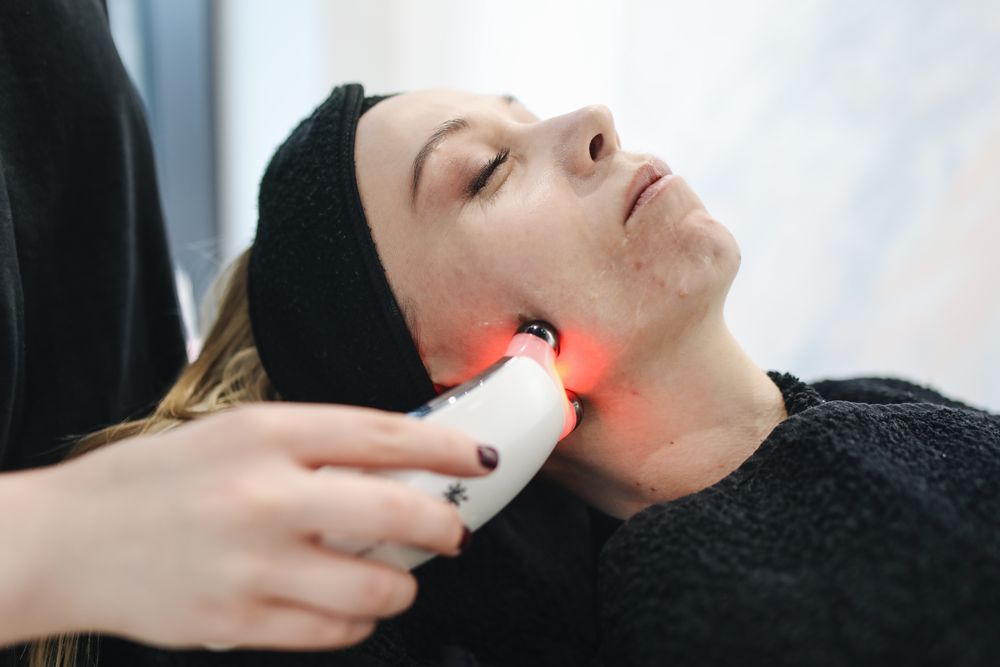
Treatment begins with a consultation and skin analysis, and often a small patch test. On the day, your skin is cleansed, protective eyewear goes on, and the device passes over the treatment area in a series of quick pulses. Most people describe a warm snapping sensation, similar to a light elastic band against the skin. Sessions typically last fifteen to thirty minutes, and many patients return to work the same day with only mild redness.
Choosing where to have it done matters as much as the machine. At a reputable medical aesthetics practice such as Denovo Cosmetic clinic, treatment starts with a proper assessment of your skin type, acne pattern and medical history, because those details decide which settings are safe and effective for you. Experienced practitioners will also tell you honestly when a laser is not the right first step, and suggest alternatives instead of simply selling you a package.
Aftercare That Protects Your Results
Skin is more sensitive after a session, so aftercare is simple but non-negotiable. Use a gentle cleanser and moisturiser, skip harsh scrubs and strong active ingredients for a few days, and wear sunscreen daily — treated skin burns and pigments more easily. Avoid picking at healing spots, however tempting that may be. Your clinic will schedule sessions a few weeks apart so the skin can recover and respond fully between treatments.
Lifestyle still plays a supporting role. Consistent sleep, changing pillowcases often, cleaning phone screens and resisting the urge to squeeze spots all reduce the bacterial and friction load on your skin. None of these replace treatment, but together they stretch the benefits of every session further.
It also helps to photograph your skin in the same light every couple of weeks. Day-to-day changes are easy to miss in the mirror, and discouragement is a common reason people abandon a plan just before it starts working. A simple photo record shows whether breakouts are becoming shallower, less frequent or faster to heal — the early signs that a treatment course is on the right track and worth completing.
Setting Realistic Expectations
Lasers are powerful, but they are not a one-visit cure. Most acne plans involve a series of three to six sessions, with improvement building gradually as oil production settles and inflammation fades. Occasional maintenance visits and a sensible home routine help hold the gains. If your acne is severe, cystic or suddenly worsening, a dermatologist should be involved as well, since some cases need medication alongside light-based care.
Clearer skin rarely comes from a single product or a single appointment. It comes from understanding what is driving your breakouts and choosing tools that address those causes. For many people, laser treatment is the step that finally moves stubborn acne in the right direction — especially when it is delivered by a clinic that treats your skin as a long-term project, not a quick sale.