
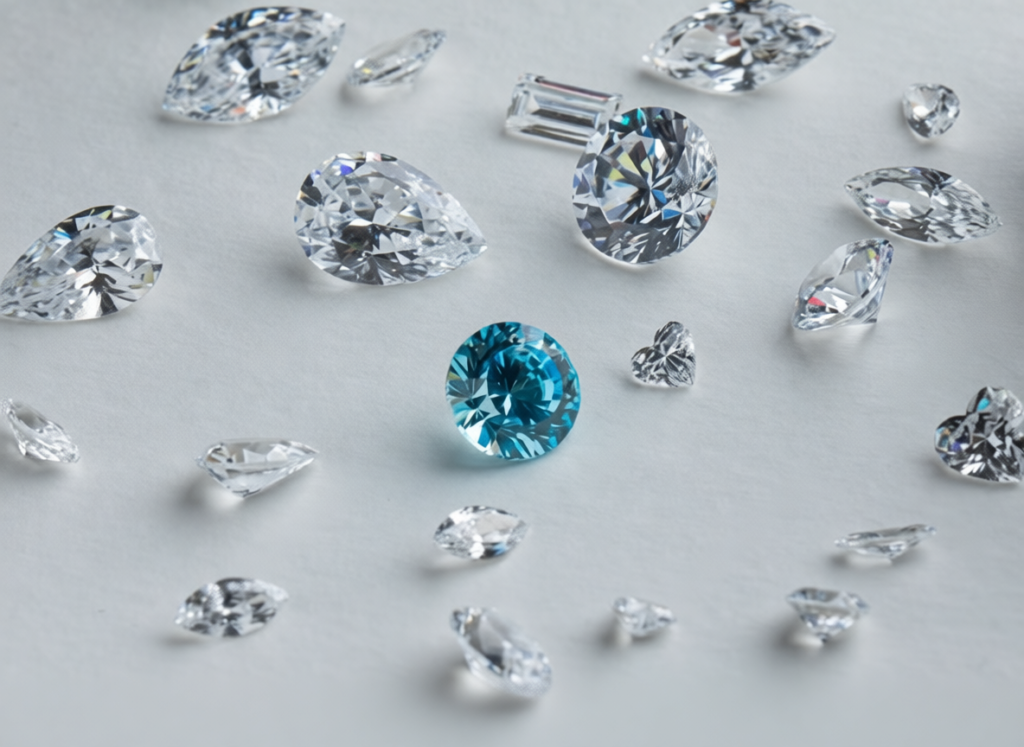
Natural diamonds take billions of years to form because high levels of heat and pressure help create them very deep within Earth’s crust. Lab-made diamonds are produced by scientists using technology and have physical characteristics similar to natural diamonds.
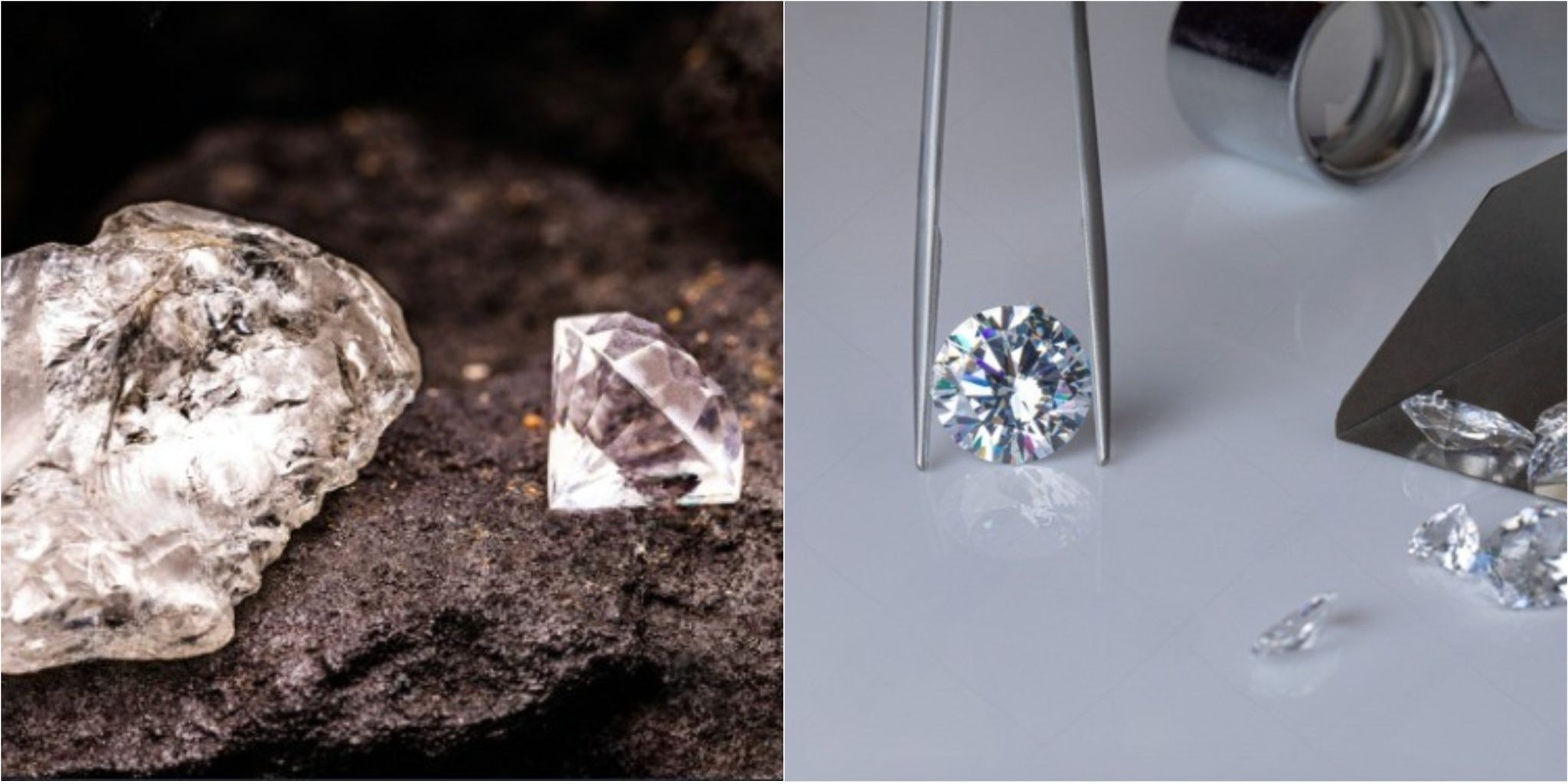
It is difficult for most people to distinguish between the two kinds of diamonds because they share similar physical characteristics. The buyers have difficulty choosing the kind of diamonds that suit their fashion sense and budget.
The guide will show you the fundamental distinctions between lab-created diamonds and natural diamonds through their origin sources, pricing structure, and material strength and diamond value, which will help you decide with confidence.
Comparison: Lab-Grown vs Natural Diamonds
| Feature | Lab-Grown Diamonds | Natural Diamonds |
| Origin | Lab-created | Earth-mined |
| Formation Time | Weeks | Billions of years |
| Price | 30–70% cheaper | Expensive |
| Appearance | Identical | Identical |
| Resale Value | Lower | Higher |
What Are Lab-Grown Diamonds
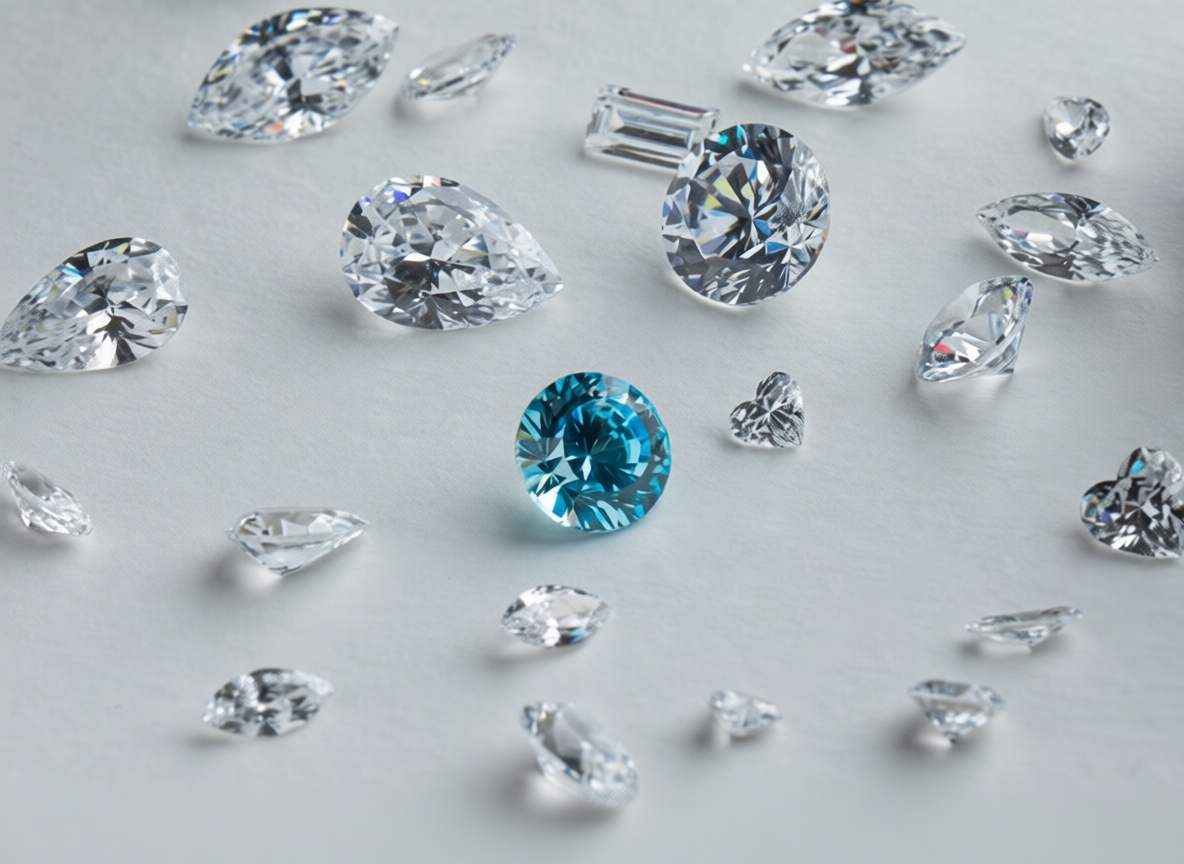
Researchers use current technologies to create diamonds in their laboratories by mimicking natural diamond formation processes. The laboratory scientists produce synthetic diamonds that exhibit identical physical and optical properties to natural diamonds.
The rising need for these products exists because they combine affordable prices with eco-friendly production methods and trendy design features. The majority of customers consider lab-grown products superior for luxury purchases because they offer better value and a more sustainable option.
Pros
- Affordable
- Ethical & eco-friendly
- Same quality as natural
- High clarity
- Easily available
Cons
- Lower resale value
- Less rare
- Prices may drop
- Limited investment value
- Less traditional appeal
What Are Natural Diamonds?
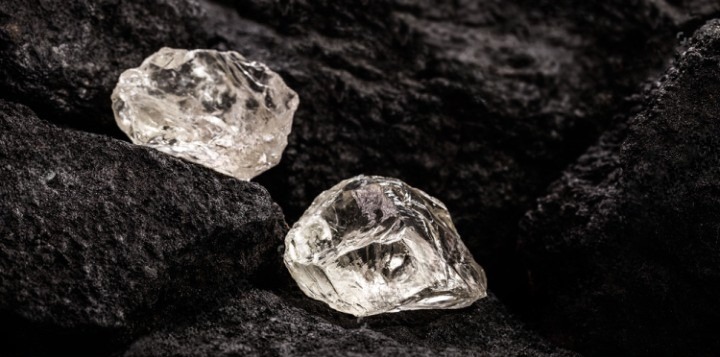
Natural diamonds form over a billion years through a process that occurs deep within the Earth, creating rare and valuable gemstones. The stones have unique value because their historical significance generates an enduring appeal that entices customers.
People choose diamonds for engagement rings and heirloom jewelry because they associate them with both luxury and sentimental value. For those looking for a statement piece that balances presence with timeless appeal, 2 carat diamond rings from Whiteflash can be an option to consider. The objects have increased in market value because they are in limited supply.
Pros
- Strong resale value
- Rare & unique
- Luxury appeal
- Long-term investment
- Emotional value
Cons
- Expensive
- Environmental impact
- Ethical concerns
- Limited availability
- Not budget-friendly
Key Differences Between Lab-Grown and Natural Diamonds
1. Origin and Formation
Natural diamonds are formed deep within the Earth through a process that takes billions of years and requires extreme temperature and pressure. The diamonds maintain their natural value because of their rare origin, which exists in two distinct forms.
Researchers create lab-grown diamonds in controlled environments using two advanced techniques, HPHT and CVD. The method creates diamonds through processes that simulate natural conditions and complete the task within two weeks.
2. Price Difference
Natural diamonds tend to cost more because they are rare and their extraction process requires expensive mining operations. People consider them an exceptional selection that offers enduring value.
Lab-created diamonds are usually 40–70% cheaper than natural diamonds, making them an ideal choice for customers who need to stick to a budget. Many shoppers also look for different options that provide the same value as their current product.
3. Appearance and Quality
Natural diamonds hold their enduring appeal because of their traditional beauty, which displays exceptional brilliance. The traditional jewelry industry considers their sparkle and clarity to be valuable.
Lab-grown diamonds maintain the same appearance as natural diamonds when examined under detailed scrutiny.
4. Durability and Longevity
Natural diamonds are known for exceptional durability, making them the hardest material according to the Mohs hardness scale. The properties of these materials make them ideal for everyday use, particularly as engagement ring stones.
Lab-grown diamonds offer identical durability and strength to natural diamonds. The diamonds provide suitable performance for both everyday wear and permanent jewelry applications.
5. Environmental Impact
Mining natural diamonds often causes environmental damage and ethical issues, depending on how they are obtained. The practice of responsible sourcing has shown better results in recent times.
People today choose lab-grown diamonds because they offer an ethical and sustainable alternative that does not require traditional diamond mining. The sustainable features of these products make them attractive to consumers who seek environmentally friendly options. For more insight into lab-grown gemstones in sustainable jewelry trends, you can explore how the industry is evolving.
6. Resale Value
Natural diamonds tend to hold their value better because their scarcity, combined with established market demand, creates a permanent market for them. The diamonds are regarded as a more trustworthy investment option that will maintain its value throughout time.
Lab-grown diamonds usually have a low resale value because they are easier to produce. To better understand how similar stones perform, exploring the resale value of lab-grown alternatives can help you make a smarter decision.
Which Diamond Should You Choose?
Deciding between lab-grown diamonds and natural diamonds depends on your personal preferences.
Lab-grown diamonds are the perfect solution for people who need affordable, environmentally friendly, and contemporary options. Natural diamond investments suit people who want to own traditional, permanent assets in limited supply.
FAQs
Why are lab-grown diamonds cheaper?
Lab-grown diamonds cost less to produce because their creation occurs through large-scale manufacturing in laboratories, while their mining costs become part of their final retail price.
Do lab diamonds last as long as natural diamonds?
Lab-grown diamonds possess the same durability as natural diamonds, enabling them to last throughout their lifespans when properly maintained.
Do lab-grown diamonds have resale value?
The diamonds retain resale value, yet their resale value usually falls below that of natural diamonds because they are less rare, and people show less interest in purchasing them.
Conclusion
Lab-grown diamonds and natural diamonds share the same visual features because their different origins determine their price points, and their value remains constant. The two alternatives deliver different benefits, which depend on your specific requirements.
The perfect solution exists for situations that require budget management and environmental protection through lab-grown diamonds. Your requirements for investment value and rarity in diamonds lead to natural diamonds as the most suitable option.
The process of selecting the ideal diamond for your personal preferences begins with understanding the various diamond characteristics.