
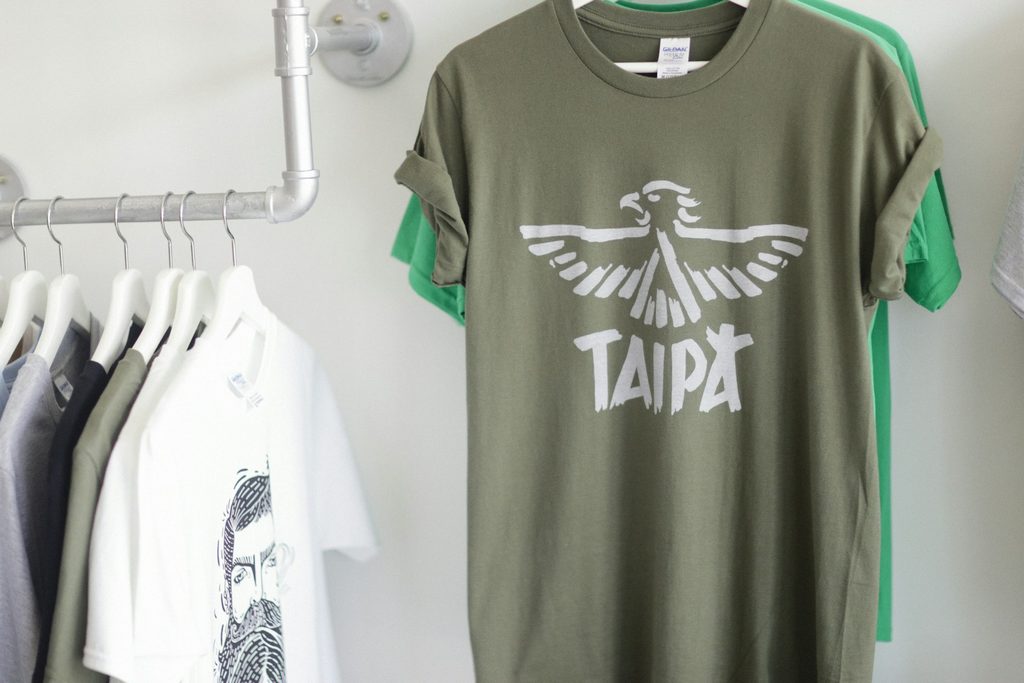
The simple T-shirt is probably the most common piece of clothing you’ll find in modern fashion. It’s like a blank canvas for showing off your personality, a uniform for different groups, and a go-to for effortless style. But this humble item has a surprisingly lively past, changing from a basic undershirt into a powerful symbol of pop culture and cool design.
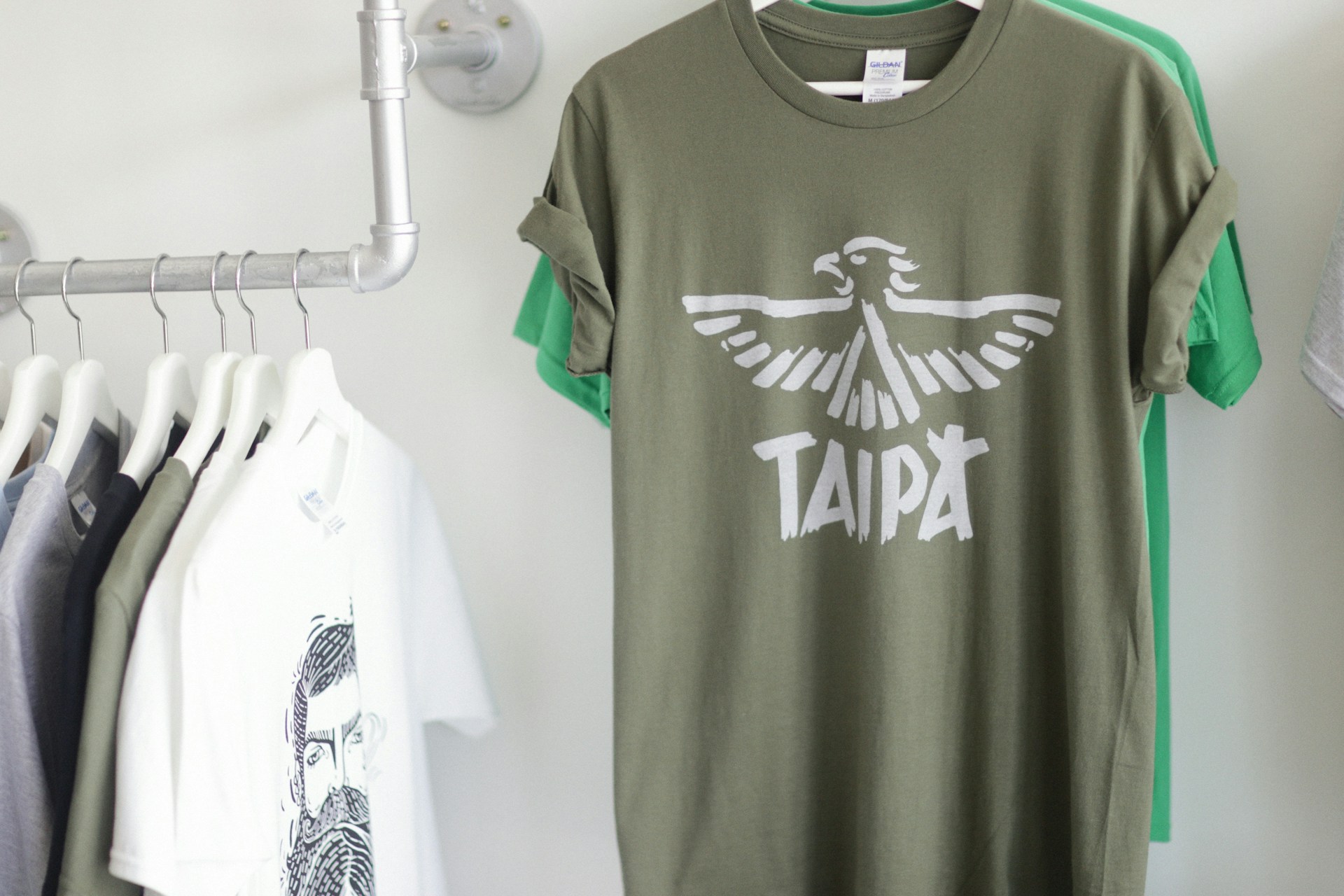
Its journey really shows how much technology, social attitudes, and even environmental awareness have shifted, with its fabric and shape always getting a fresh look. From its military beginnings to its eco-friendly future, the T-shirt’s story is pretty much the story of modern style itself.
A Brief History of the Tee
The T-shirt didn’t start out as a fashion statement at all; it was just practical workwear. The U.S. Navy first handed them out in 1913 as a standard undershirt. Its simple, buttonless design was a big improvement over the more restrictive undergarments people wore back then. For most of the early 20th century, it stayed mostly hidden, worn by workers and soldiers under their uniforms. But that all changed in the 1950s when Hollywood stars like Marlon Brando and James Dean pulled the T-shirt out from under button-downs and put it right in the spotlight. Suddenly, it was a symbol of rebellious, youthful cool.
As this brief history of the t-shirt explains, the T-shirt’s role just kept growing. The 1960s and 70s saw it turn into a way to communicate. Thanks to improvements in screen printing, it was easy to put band logos, political slogans, and cool art on tees. It became a walking billboard for who you were, a key part of a decade-by-decade style journey that really reflected the cultural changes. From the swirly, psychedelic vibes of the hippie movement to the raw, DIY look of punk rock, the T-shirt was right there, telling the story.
Beyond Basic Cotton
For ages, a standard T-shirt pretty much meant one thing: a crew neck, short sleeves, and a straight, often snug, fit made from 100% cotton. While that classic style is still a must-have in any wardrobe, what we call a “T-shirt” has really expanded. Today’s fashion scene offers a much wider variety of cuts, fits, and fabric mixes that suit all sorts of styles and body types. This evolution means that finding the perfect tee isn’t a “one-size-fits-all” deal anymore.
One of the biggest changes has been the move towards more relaxed and oversized fits. Streetwear, skate culture, and just wanting to be comfortable have all played a part. It gives you a different shape you can wear for a chill look or layer. A modern wardrobe isn’t complete without a few different fits, and collections of mens tee shirts now prominently feature relaxed and oversized cuts that totally redefine casual comfort.
Acid Wash and Unique Finishes
The T-shirt’s look took a wild turn in the 1980s with a boom in bold finishing techniques. Acid wash, which you used to only see on denim, started showing up on tees, creating that mottled, high-contrast look that perfectly captured the decade’s “more is more” vibe. Along with tie-dye, which is always popular, these finishes shattered the idea that a T-shirt had to be plain and solid-colored. Each piece became unique, with its own distinct pattern of color and distress.
Today, these techniques have been polished up and given a fresh spin to suit modern tastes. The harshness of early acid wash has given way to more subtle treatments like mineral wash and pigment dyeing. These processes use stones and enzymes to gently wear down the fabric and strip away some color, giving you a super-soft, worn-in feel and a tasteful, vintage look. Garment dyeing, where the whole finished shirt is dyed instead of just the fabric before it’s cut, creates a deeper, richer color and helps stop shrinkage. These modern finishes let designers give a brand-new T-shirt the character and softness of a well-loved favorite right from the very first wear.
Sustainable Fabric Futures
The T-shirt may be simple, but what goes into making one is changing. Regular cotton has long been the go-to fabric, but growing it uses significant amounts of water and pesticides, adding to the fashion industry’s environmental impact. As shoppers pay closer attention to how their clothes are made, designers and manufacturers are seeking materials that are kinder to the planet without sacrificing comfort or style. These changes are also beginning to influence fashion trends, as sustainability is becoming part of what people expect from the clothes they wear.
That shift shows how the T-shirt continues to adapt to the way people live and what they value. It has already moved through decades of changing styles, from a basic everyday layer to a symbol of rebellion and personal expression. Now, new materials and production methods are giving it another chance to evolve, with sustainability becoming an increasingly important part of its future.