
Tailoring is usually associated with boardrooms, weddings and establishment dinners. Yet some of the most striking suits of the past century appeared on stage, in basement clubs and on album covers. Musicians and their followers have repeatedly taken formal clothing and turned it against its original meaning, using sharp cuts and long coats to signal defiance, glamour or detachment. The double-breasted suit and the overcoat, in particular, have enjoyed a second life in alternative culture.
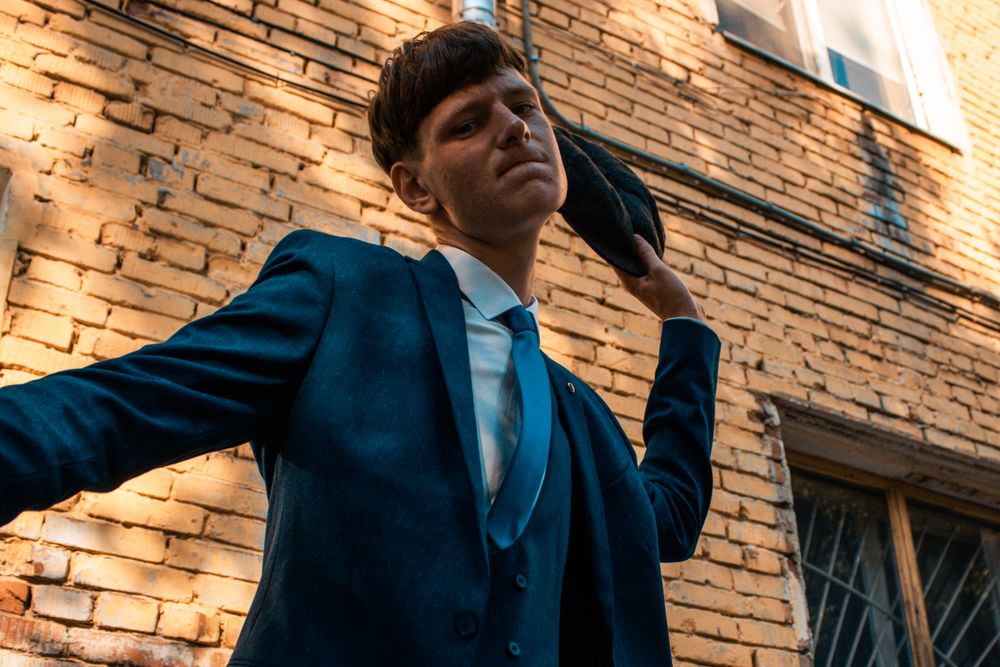
Jazz and swing: tailoring as self-assertionIn the 1930s and 40s, jazz musicians and their audiences turned the suit into a statement. Broad-shouldered, double-breasted jackets and high-waisted trousers projected confidence and success at a time when many Black and working-class musicians faced exclusion from mainstream society. Dressing impeccably on stage was a way of claiming respect and space. The exaggerated zoot suit took this further, stretching proportions into something openly flamboyant.
Mods and the cult of the cutBritain’s mods of the early 1960s treated tailoring with near-religious attention. Their preference ran to slim, single-breasted suits with narrow lapels, often made by local tailors to precise specifications. The obsession with detail, from the number of buttons to the depth of a vent, turned the suit into a coded language that only insiders could read. It was formal clothing, but worn by teenagers on scooters, dancing all night to soul and R&B.
New wave and the return of the double-breastedBy the late 1970s and early 80s, punk’s ripped clothing gave way to new wave and new romantic scenes that embraced glamour. Musicians appeared in oversized double-breasted jackets, pleated trousers and wide lapels, sometimes paired with make-up, bold hair and dramatic lighting. The look borrowed from 1940s tailoring but exaggerated it, mixing nostalgia with a futuristic, theatrical edge.
That influence has never quite disappeared. A double breasted suit still carries a hint of this stage presence: the overlapping front, strong shoulder line and row of buttons create a silhouette that looks both classic and slightly rebellious, depending on how it is styled.
Post-punk and the long dark coatIf new wave celebrated colour and glamour, post-punk and gothic scenes preferred shadow. Long black coats became a defining garment, worn over band tees, skinny trousers and boots. The coat lent a sense of drama and mystery on foggy streets and in dimly lit venues, and it offered practical warmth for nights spent queueing outside clubs.
Today, a well-cut overcoat continues that tradition. Worn long and dark over black denim and boots, it retains its alternative edge; over a suit, it turns towards classic elegance. The same garment moves easily between scenes.
Britpop, indie and the thrift-shop suitIn the 1990s and 2000s, indie musicians rediscovered tailoring through charity shops and vintage markets. Slightly too-tight jackets, mismatched trousers and loosened ties created an aesthetic that mocked formality while still enjoying it. The message was that a suit did not need to be expensive or perfect to look good. What mattered was attitude.
Why subcultures keep returning to tailoringFormal clothing is powerful precisely because it carries meaning. When alternative scenes adopt it, they borrow that authority and subvert it at the same time. A sharply cut jacket worn with boots and messy hair reads very differently from the same jacket at a board meeting. Tailoring gives shape and structure, which makes the rebellion look deliberate rather than accidental.
Bringing the attitude into your own wardrobeTo wear tailoring with an alternative spirit, focus on contrast. Pair a double-breasted jacket with a band tee or a turtleneck instead of a shirt and tie. Choose black, charcoal or deep burgundy over conventional navy. Swap oxfords for boots or creepers, and let a long overcoat do the dramatic work in winter. Above all, wear the clothes as if you chose them for yourself, not for a dress code. That is what every subculture that reclaimed the suit understood.