
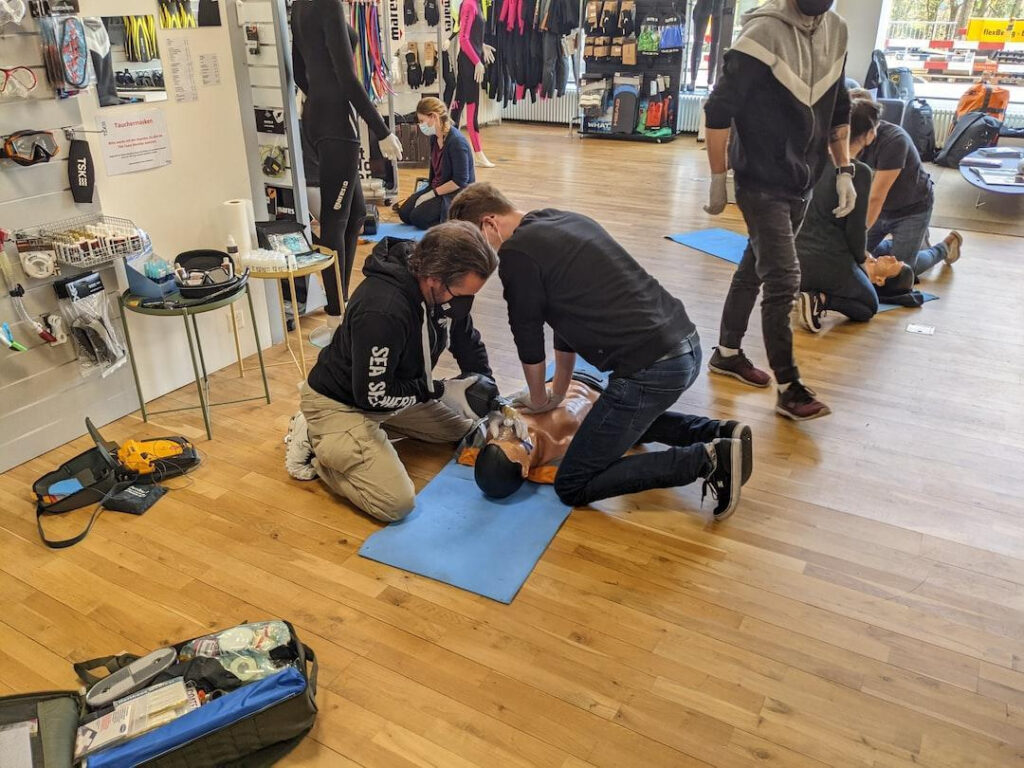
What would you do if a coworker collapsed in the middle of a meeting or on the factory floor?
Emergencies often strike without warning, and the first few minutes are critical. While most companies have safety policies in place, many overlook the human factor that makes all the difference. Training employees in CPR not only saves lives but also strengthens workplace culture and trust.
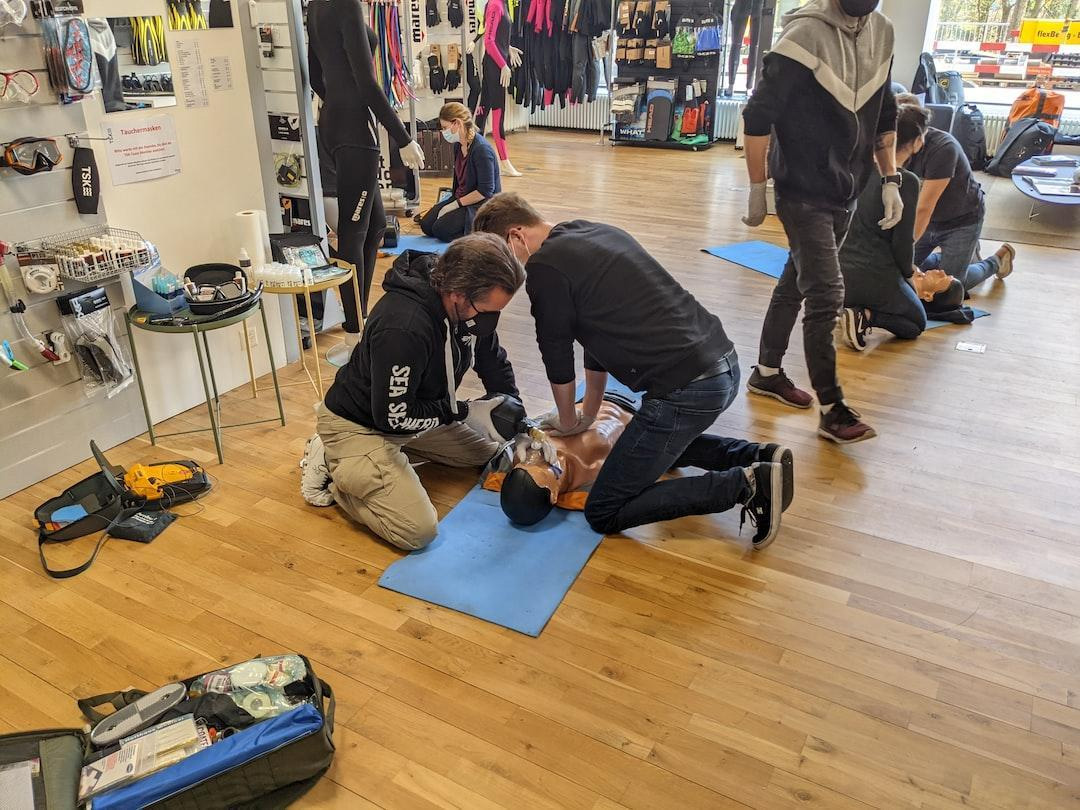
This article explores how CPR certification can add powerful value to corporate safety policies.
Building a Safer Workplace
CPR certification equips employees with the skills to handle emergencies before medical help arrives. This creates a safer environment where workers feel protected and supported in their roles. A company that invests in these skills reduces the chances of small accidents turning into major crises.
When staff are trained, safety moves from being a policy on paper to a living practice. People know how to step in and help when seconds count. This culture of readiness makes safety an everyday value, not just a checklist.
Reducing Corporate Risk
Workplace emergencies carry risks beyond the immediate health of the victim. Companies can face legal, financial, and reputational damage if they fail to act. CPR training lowers these risks by ensuring quick and competent responses.
Trained employees are less likely to panic and more likely to deliver aid that stabilizes a situation. This preparedness helps a company show it took reasonable steps to protect its people. It builds trust with employees, clients, and the public alike.
Boosting Employee Confidence
CPR certification gives employees confidence to act under pressure. Knowing they have the skills to help saves them from the fear of standing by helplessly. That confidence can improve overall workplace morale.
Confidence also spreads across teams. Workers trained in CPR often feel more capable in other aspects of their job. This sense of readiness creates a stronger, more resilient workforce.
Supporting Long Term Safety Goals
CPR training fits neatly with other workplace safety efforts, such as first aid or fire drills. Together, these measures create a complete safety net for staff and visitors. They show a commitment to long term well-being.
For organizations looking to add accessible training options, they can visit https://cprcertificationnow.com to explore CPR and related certification courses. This supports a consistent approach to safety education over time.
Enhancing Company Reputation
Companies that promote CPR certification often stand out as responsible and caring employers. This commitment shows both employees and the public that safety is taken seriously. It can set the business apart in competitive markets.
A reputation for safety can also attract talent and build customer trust. People want to work with and for organizations that value human life. CPR training becomes not just a safety measure but also a mark of credibility.
Every Workplace is a Lifesaving Workplace
A strong safety policy is more than rules and manuals; it is about equipping people with real skills that matter when seconds count. CPR certification gives employees the knowledge to act with courage and purpose. It builds a culture where care and responsibility thrive alongside productivity.
When workplaces invest in lifesaving skills, they create an environment where people feel valued and protected. That sense of safety is the foundation of a stronger and more resilient organization.
Was this article helpful to you? If so, make sure to check out our blog for more useful information and resources.