
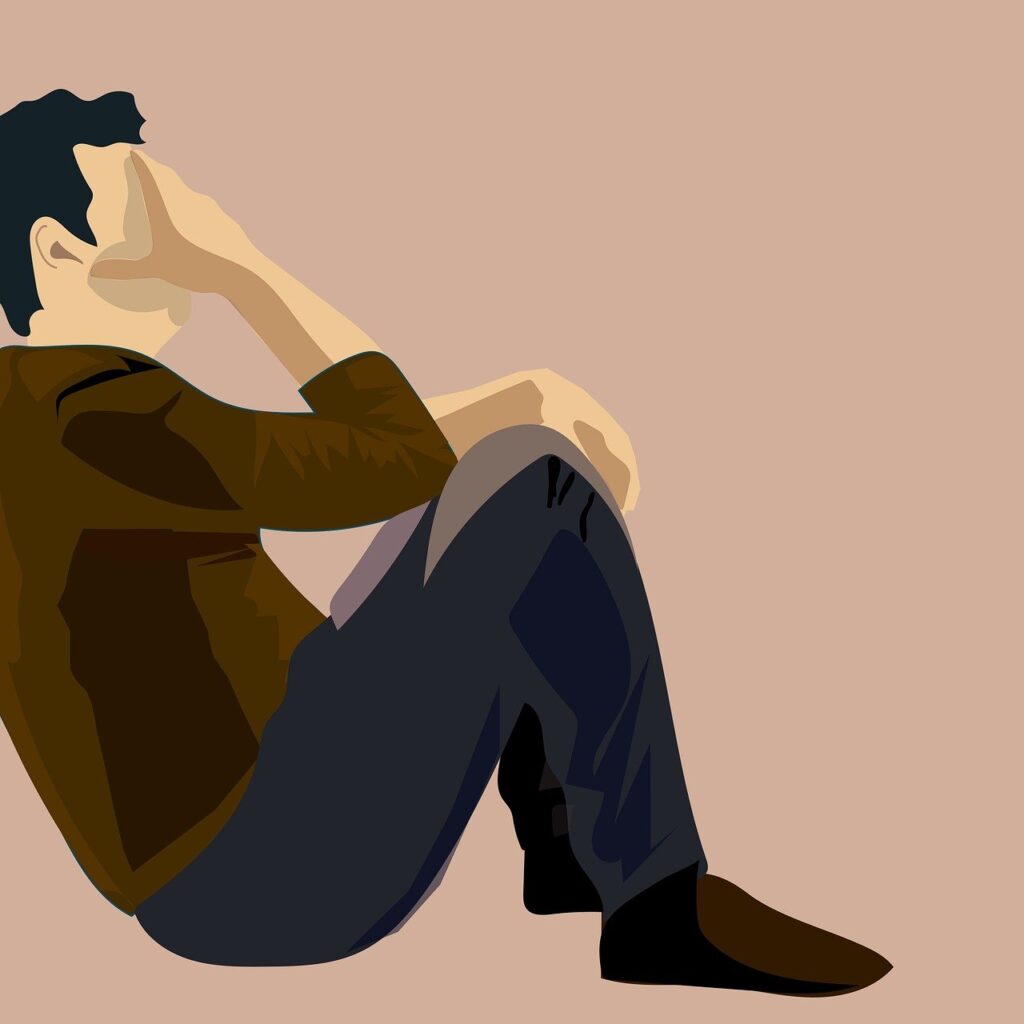
Depression is a complex mental health condition that affects millions of people worldwide. It can impact every aspect of life, from daily functioning to personal relationships, work performance, and overall well-being. While depression can feel overwhelming, it is also highly treatable with the right approach.
Understanding the various treatment methods available can help individuals make informed decisions about their mental health care. From therapy and medication to holistic approaches and lifestyle changes, there are multiple paths to managing depression effectively. Here’s a comprehensive guide to the different treatment options available and how they can help those struggling with depression.
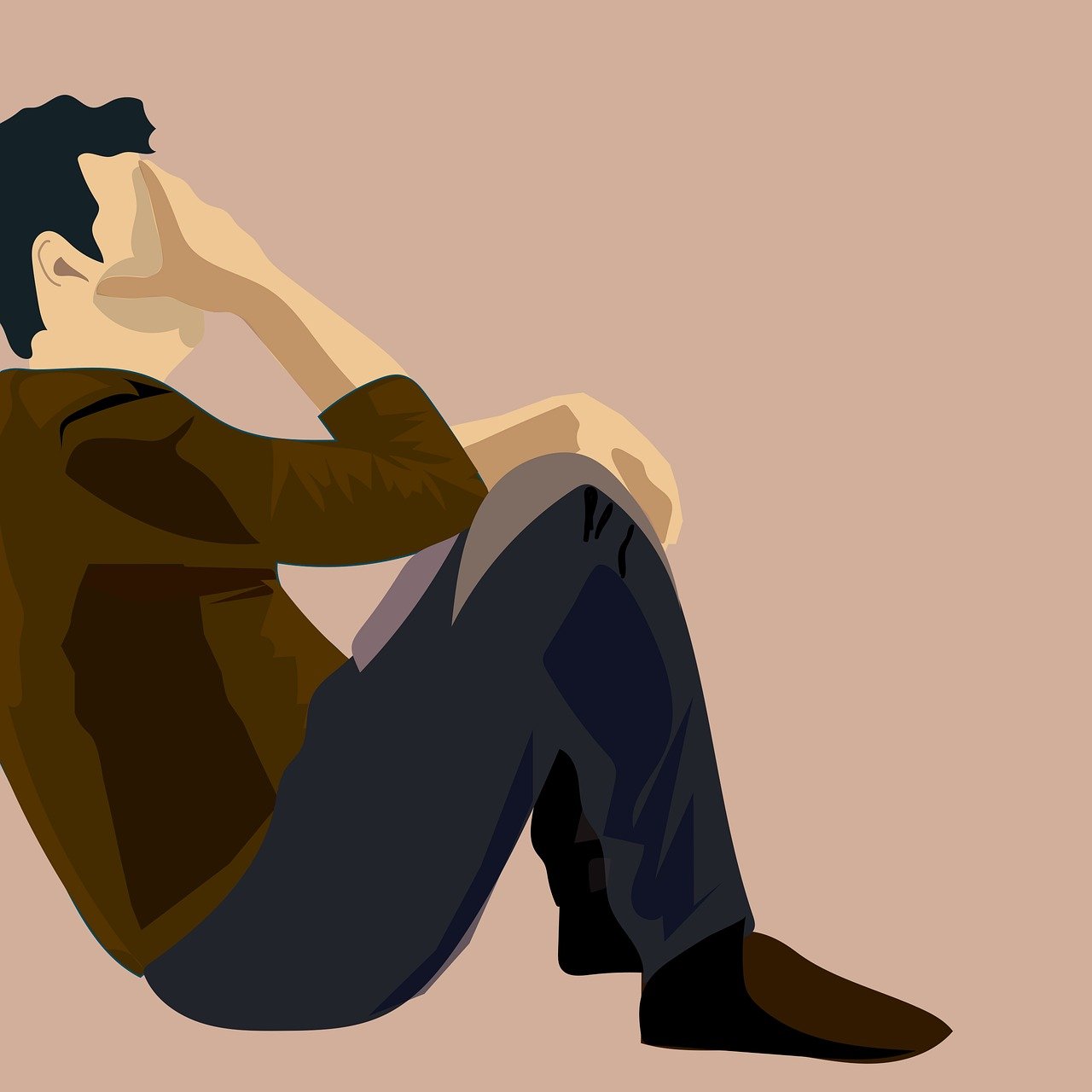
Psychotherapy
Therapy is often the first line of treatment for depression, as it provides a safe space to explore thoughts, emotions, and behaviors that contribute to the condition. Various forms of psychotherapy have proven effective in helping individuals understand their mental health struggles and develop coping mechanisms.
Cognitive Behavioral Therapy (CBT) is one of the most widely used approaches. It focuses on identifying negative thought patterns and replacing them with more constructive and balanced perspectives. This structured, goal-oriented therapy helps individuals change behaviors that may be reinforcing depressive symptoms.
Interpersonal Therapy (IPT) is another effective approach that focuses on improving relationships and social functioning. Since depression often impacts interpersonal relationships, addressing conflicts and enhancing communication skills can help alleviate symptoms.
For individuals dealing with past trauma, trauma-focused therapies such as Eye Movement Desensitization and Reprocessing (EMDR) or Psychodynamic Therapy can be beneficial. These approaches help process unresolved emotions that may be contributing to depressive symptoms.
Medication Options for Managing Depression
For individuals with moderate to severe depression, medication may be a vital part of their treatment plan. Antidepressants help balance brain chemicals that regulate mood, making it easier for individuals to engage in therapy and daily activities. Try to read more about different classes of antidepressants, as each works differently in the brain. Selective Serotonin Reuptake Inhibitors (SSRIs), such as fluoxetine (Prozac) and sertraline (Zoloft), are commonly prescribed because they have fewer side effects compared to older antidepressants.
Serotonin-norepinephrine reuptake inhibitors (SNRIs), such as venlafaxine (Effexor), are another option, particularly for individuals experiencing both depression and anxiety. Other classes of antidepressants, including Tricyclic Antidepressants (TCAs) and Monoamine Oxidase Inhibitors (MAOIs), are typically used when first-line treatments do not provide relief.
The Role of Lifestyle Changes in Depression Treatment
While therapy and medication are essential components of depression treatment, lifestyle changes can significantly impact overall well-being. Small adjustments to daily habits can help improve mood and resilience against depressive episodes.
Regular physical activity has been shown to have a positive effect on mental health by releasing endorphins and reducing stress. Engaging in activities such as walking, yoga, or strength training can help boost energy levels and improve mood.
The diet also plays a role in mental health. Consuming a balanced diet rich in whole foods, lean proteins, and healthy fats supports brain function. Foods rich in omega-3 fatty acids, such as salmon and walnuts, may help reduce symptoms of depression. Reducing sugar and processed foods can also help stabilize mood.
Alternative and Holistic Approaches to Depression Treatment
Many individuals find relief from depression through alternative and complementary treatments that work alongside traditional methods. These approaches focus on the mind-body connection and can provide additional support in managing symptoms.
Mindfulness and meditation techniques, such as deep breathing exercises and guided imagery, help individuals develop awareness of their thoughts and emotions. These practices encourage relaxation and stress reduction, which can alleviate depressive symptoms over time.
Acupuncture and massage therapy have also shown promise in reducing stress and promoting relaxation. These treatments help regulate the nervous system and improve circulation, which can contribute to overall well-being.
When to Seek Professional Help for Depression
It’s important to recognize when depression requires professional intervention. If symptoms persist for more than two weeks, significantly impact daily life, or lead to thoughts of self-harm, seeking help from a mental health professional is crucial.
A healthcare provider can assess symptoms, provide an accurate diagnosis, and recommend a personalized treatment plan. While reaching out for help can be difficult, taking that first step toward treatment is a sign of strength.
Family and friends can also play an essential role in encouraging individuals to seek professional help. Providing emotional support, listening without judgment, and offering practical assistance can make a significant difference in a loved one’s recovery journey.

Depression is a complex condition, but with the right combination of treatment methods, recovery is possible. From therapy and medication to lifestyle changes and holistic approaches, there are numerous ways to manage symptoms and regain a sense of balance.
Finding the right treatment plan is a personal journey, and what works for one person may not work for another. Being open to different methods and working closely with a healthcare provider can help individuals find the best path to healing.
With the right support and resources, overcoming depression is within reach. Seeking help, prioritizing self-care, and staying committed to treatment can lead to lasting improvements in mental health and overall quality of life.