
Taking care of a living space requires regular attention to prevent costly repairs down the road. Simple tasks performed throughout the year protect your property and keep systems running smoothly.
Modern technology makes tracking home upkeep easier than ever before. Setting up structured routines allows property owners to protect their investment with minimal effort.

Upgrading HVAC Air Filters
Clean air filters keep indoor air fresh and reduce strain on heating and cooling units. Homeowners who want expert assistance can go now to arrange professional service before seasonal weather shifts hit. Routine checks stop dust accumulation before it blocks proper airflow throughout the rooms.
Selecting the right replacement filter makes a major difference in system performance. A recent home maintenance guide suggests choosing units with a MERV rating between 8 and 13.
Replacing these filters every 1 to 3 months guarantees steady temperature control. Clogged filters force system components to work much harder than necessary. Quick filter swaps lower monthly utility costs while protecting HVAC hardware.
Flushing Water Heaters Annually
Water heaters collect mineral deposits at the bottom of the tank during daily operation. Sediment buildup restricts heat transfer and lowers hot water capacity. Routine flushing clears out accumulated debris to restore top efficiency.
A publication covering monthly maintenance notes that draining a water heater annually removes sediment buildup to protect efficiency and extend appliance lifespan. Attaching a hose to the drain valve takes less than 30 minutes.
Clear heating elements warm water much faster while consuming less energy. Lower energy consumption keeps utility bills manageable throughout every season. Regular draining keeps plumbing fixtures cleaner by keeping loose rust out of lines.
Setting Up Smart Leak Monitoring
Hidden plumbing leaks can create massive structural damage before anyone notices damp spots. Small sensors placed near water heaters, sinks, and washing machines send immediate alerts to smartphones. Quick notifications give homeowners time to stop water flows before disaster strikes.
An industry report highlights that early warning detection lets owners set convenient repair schedules and avoid emergency calls, saving an average of $200 a year on maintenance costs. Wireless sensors require minimal setup and run on long-lasting batteries. Prevention remains far cheaper than replacing soaked drywall or ruined flooring.
Connecting leak detectors to automated shut-off valves adds another layer of security. Shutting off main supply lines instantly prevents thousands of dollars in water damage. Simple sensor placements bring total peace of mind during long family vacations.
Testing Smoke and Carbon Monoxide Detectors
Safety detectors serve as the primary line of defense against household hazards. Monthly tests verify that sirens and internal battery backups function properly. Replacing backup batteries every year prevents annoying low-battery chirps in the middle of the night.
Wiping detector covers with a microfiber cloth removes accumulated dust that triggers false alarms. Dust accumulation can obstruct internal sensors and slow response times during actual emergencies. Clean covers keep delicate sensors sensitive to air quality changes.
Replacing entire units every 10 years guarantees reliable sensor technology. Older sensors lose sensitivity over long periods of continuous operation. Updating safety gear keeps household warning networks ready for any sudden emergency.
Inspecting Window and Door Seals
Drafty windows and doors allow conditioned air to escape, driving up cooling costs. Damaged weatherstripping permits outdoor humidity to enter living spaces. Inspecting rubber seals every spring catches small cracks before conditioned air escapes.
Replacing worn seals requires simple tools and minimal mechanical skill. Peeling off cracked rubber strips and applying self-adhesive weatherstripping takes only a few minutes per frame. Fresh sealing strips create tight barriers against outside elements.
Adding door sweeps at exterior entrances prevents pests and drafts from slipping underneath. Tight seals keep indoor temperatures consistent across every room. Lower heating and cooling bills quickly cover the minor cost of replacement materials.
Cleaning Outdoor HVAC Condenser Units
Outdoor cooling units gather leaves, grass clippings, and dirt during stormy weather. Debris clogging exterior metal fins restricts airflow and forces compressors to run continuously. Clearing vegetation away from outdoor cabinets improves system cooling capacity.
Performing routine outdoor maintenance involves several straightforward steps:
- Shut off power to the exterior condenser unit before cleaning.
- Clear away leaves, tall grass, and branches within 2 feet of the cabinet.
- Gently spray aluminum fins with a garden hose to remove dirt.
Clean condenser coils release heat far more effectively during hot summer afternoons. Reduced strain on the compressor extends total system operating life. Taking time to clear outdoor units keeps cooling hardware running smoothly.
Recalibrating Smart Thermostats
Smart thermostats optimize home comfort by adjusting indoor temperatures around daily schedules. Temperature sensors can drift slightly over long periods, leading to inaccurate readings. Verifying current readings against an independent thermometer guarantees correct calibration.
Positioning thermostats away from direct sunlight or kitchen heat vents prevents false temperature spikes. Drafts from nearby doors can trick sensors into running equipment unnecessarily. Relocating misaligned sensors keeps climate schedules accurate.
Updating software and checking Wi-Fi connectivity keeps smart schedules running without interruptions. Correct temperature profiles save significant money on seasonal heating and cooling bills.
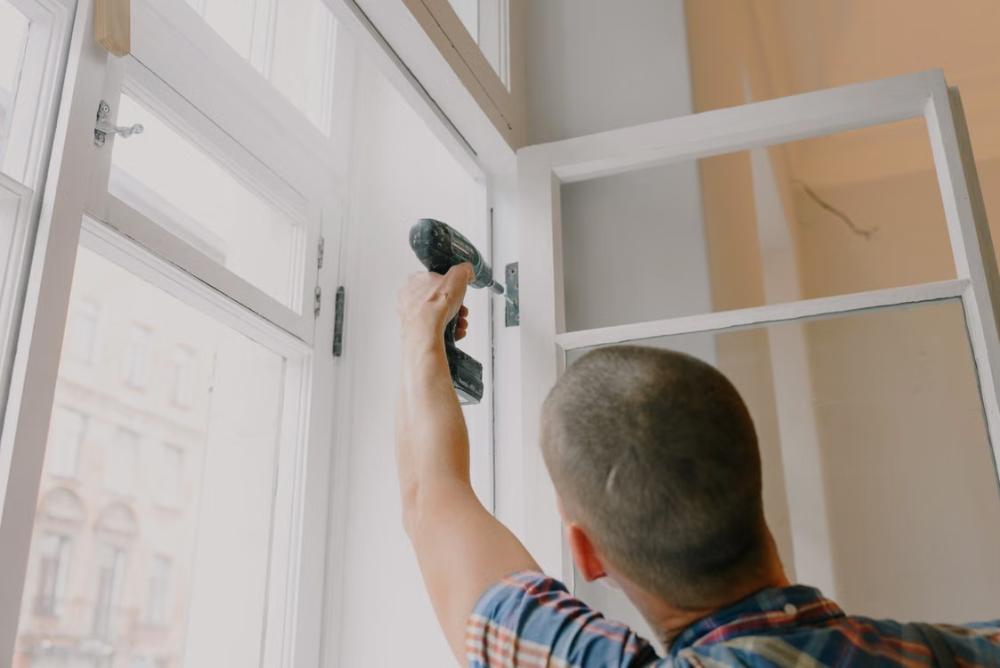
Staying proactive with home maintenance keeps systems efficient and prevents expensive unexpected breakdowns. Small efforts spent on regular checks yield reliable performance across every appliance in your household.
Developing a simple routine turns overwhelming maintenance tasks into manageable monthly habits. Protecting your property today guarantees long-term comfort, safety, and steady energy savings for years ahead.