
Commerce videos do more than attract attention. They show how products look, communicate their value, and give shoppers a clearer idea of what they are considering. For online retailers, choosing an AI video generator involves more than checking visual quality.
The right solution should support product presentation, maintain recognizable details, and produce content that fits different shopping environments. It should also turn existing product assets into useful visual experiences that connect discovery, consideration, and purchasing decisions.
Product Presentation Should Drive the Creative Process
Make Product Details the Center of Every Scene
An effective e-commerce video starts with the product, not the visual effects surrounding it. Shoppers want to examine its shape, texture, proportions, materials, and practical features. A fashion retailer might highlight the fabric and silhouette of a jacket, while an electronics store could focus on a device’s design, ports, and physical controls. An ai video generator should offer enough creative direction to present these details through purposeful movement and camera positioning. Kling AI supports image-to-video generation, allowing retailers to upload product photographs and describe how the camera or subject should move. Close-ups, tracking shots, and camera orbits provide different ways to introduce an item. The objective is to make product information easier to explore while keeping the product itself at the center of the presentation.
Turn Static Listings Into Shopping Experiences
Traditional product listings often rely on several photographs and written descriptions to communicate an item’s value. Video introduces another dimension by showing how a product fits into a particular environment or situation. A furniture retailer might present a chair within a thoughtfully arranged living room. A kitchenware brand could show cookware in a prepared dining setting. These visual contexts give shoppers a better understanding of the product’s intended use. A suitable ai video generator should support both realistic product animation and creative scene development. Kling AI allows users to begin with a written description or an existing image. Retailers can therefore develop lifestyle footage from product concepts or animate selected catalogue images, creating more engaging presentations for product detail pages and online storefronts.
Preserve the Details That Define Each Product
Product recognition matters when customers encounter the same item across several shopping touchpoints. A particular colour, shape, finish, or design feature should remain recognizable throughout its visual presentation. This becomes especially important for fashion collections, branded accessories, furniture ranges, and products with several variations. An AI video generator should offer reference-based creative direction so retailers can establish a visual foundation before developing additional scenes. Kling 4.0’s Omni Reference supports up to 15 combined assets, including images, videos, and subjects. Retailers can combine different product views with visual references to guide the generated footage. This provides a useful starting point for developing multiple product presentations while retaining recognizable visual characteristics across the campaign.
Build an E-Commerce Video Workflow Around Customer Needs
Match Video Formats to Different Shopping Moments
Customers encounter products at different stages of their shopping journey, and each stage calls for a different type of content. A short introductory clip might attract attention on a category page, while a more detailed product demonstration could support customers comparing several options. A lifestyle video might communicate the atmosphere associated with a premium product, whereas a close-up could explain a specific design feature. Retailers should therefore evaluate whether an AI video generator supports different creative directions rather than producing only one style of footage. Kling AI offers text-to-video and image-to-video generation, giving retailers flexibility when planning these formats. Its video generation supports clips of up to 30 seconds, allowing creators to develop longer product presentations, connected actions, and more detailed visual sequences.
Create Consistent Campaigns Across Multiple Products
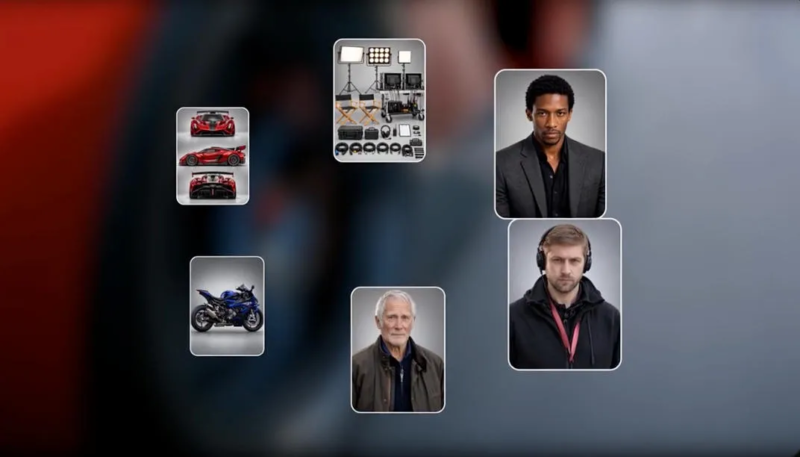
An online store may introduce dozens of products within a single campaign. Although each item deserves individual attention, the overall presentation should still feel connected. Consistency in lighting, camera language, background design, and visual atmosphere gives a collection a recognizable identity. For example, a home décor retailer might present several furniture pieces through different interior settings while retaining a shared visual direction. Kling AI’s Omni Reference can combine product, scene, and style references to guide different elements within generated footage. Its support for up to 10 flexible keyframes also provides additional control over important compositions, subject positions, and scene progression. Retailers can apply these capabilities when developing coordinated visual campaigns for seasonal collections, new arrivals, and promotional product groups.
Connect Visual Content With the Brand’s Shopping Environment
A product video rarely appears in isolation. It sits alongside product titles, prices, descriptions, customer reviews, promotional messages, and other shopping information. The footage should complement these elements rather than compete with them. Retailers should consider the intended placement before generating a video. A homepage banner might require a wider composition that communicates the campaign atmosphere, while a product page could benefit from a closer view of the item. Social media advertisements may need a more immediate visual introduction. Kling AI offers camera direction, image references, and native audio capabilities, supporting different creative treatments for these placements. It also supports dialogue in nine languages, creating opportunities for multilingual product communication across international e-commerce markets.
Conclusion
A suitable AI video generator for e-commerce should combine product-focused presentation, visual consistency, creative flexibility, and practical content production. Retailers need footage that communicates product characteristics while fitting naturally into different shopping environments. Kling AI brings together image-to-video generation, text-to-video creation, reference-based direction, camera controls, and native audio. By starting with clear product information and a defined customer journey, e-commerce businesses can turn visual assets into more informative and engaging shopping experiences.