
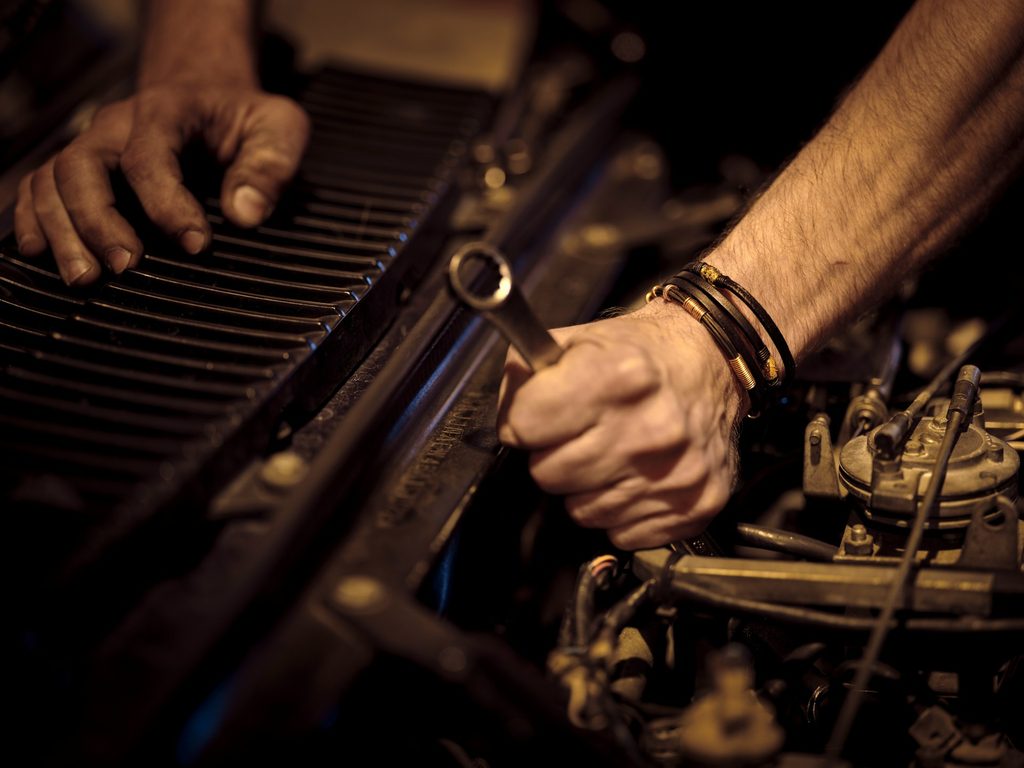
A well-maintained car can stay useful for far longer than its first owner expects. When a major component begins to fail, replacing the whole vehicle may seem like the simplest answer, but skilled restoration can often return it to dependable service at a more manageable cost. That approach also keeps valuable materials in use, reduces unnecessary waste and helps owners preserve cars that already suit their daily lives.
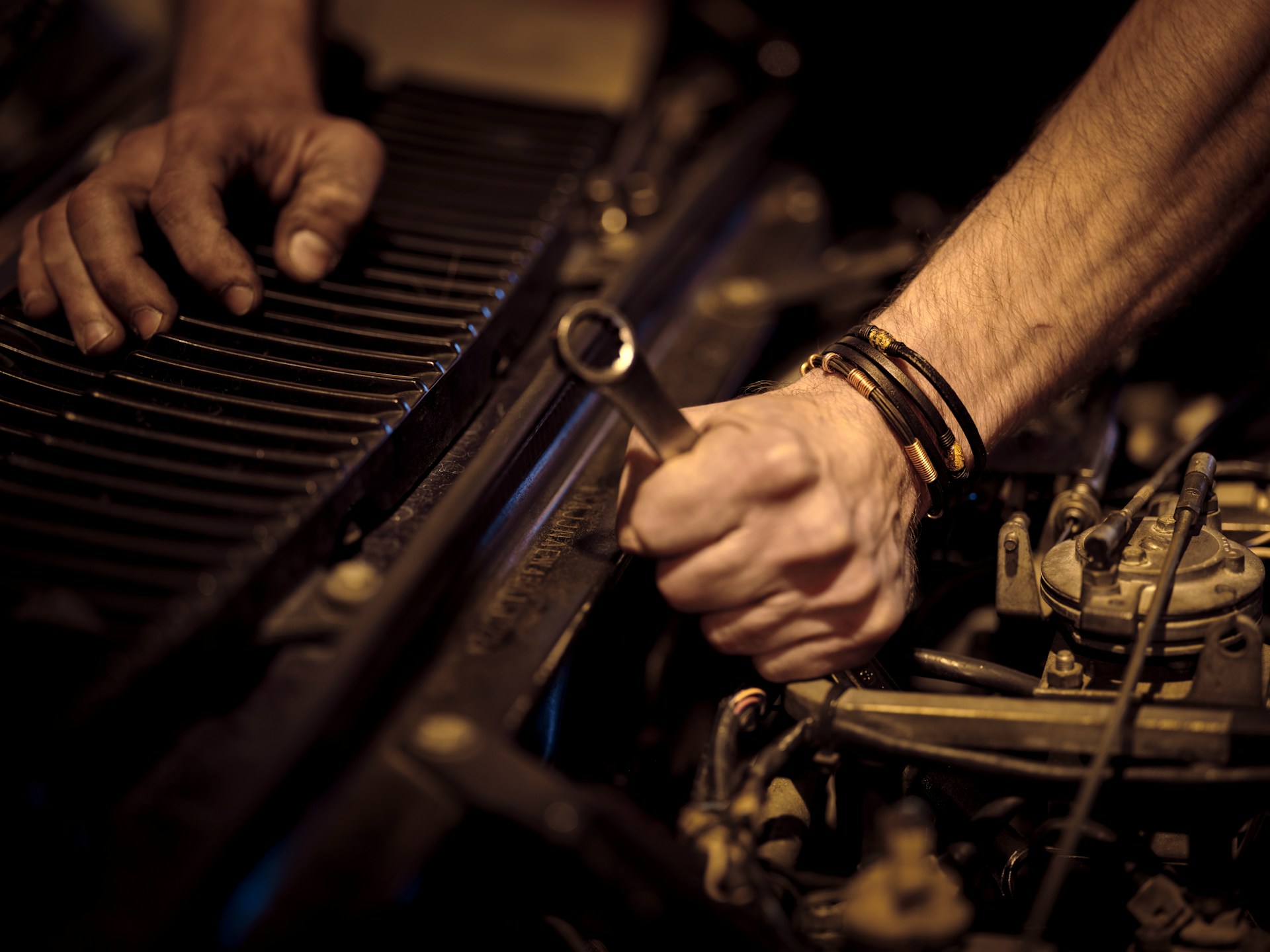
The Rise of Circular Automotive Ownership
Circular ownership treats a vehicle as a collection of serviceable parts, not a disposable product. Components are inspected, repaired, remanufactured and reused wherever practical. Greater use of reuse and remanufacturing in the automotive industry can extend product life while reducing demand for newly manufactured materials.
Manufacturers are also exploring closed-loop systems that recover parts and resources from older vehicles. Projects highlighted through the automotive circular economy show how repair, reuse and recycling can work together.
For drivers, the idea is pleasantly practical. Keep service records, investigate faults early and ask which components can be restored before approving a full replacement.
Breathing Fresh Life Into Key Drivetrain Parts
Automatic transmissions contain precisely fitted mechanical, hydraulic and electronic parts. A fault in one area can produce delayed gear changes, unusual vibration, fluid leaks or a sudden rise in engine speed. These symptoms don’t always mean the entire unit has reached the end of its life.
A specialist can test fluid condition, electronic controls, internal pressure and road performance before recommending a repair. When internal wear is extensive but the main casing remains serviceable, gearbox reconditioning may involve dismantling the unit, cleaning it and replacing worn components before careful reassembly and testing.
Book an inspection as soon as behaviour changes. Continuing to drive with slipping, overheating or contaminated fluid can turn a manageable repair into a far larger job.
Calculating Long-Term Value and Reliability
Compare the full costs before deciding between restoration and vehicle replacement. A newer car brings its own purchase price, registration expenses, insurance costs and possible finance charges. It may also lose value quickly during the first few years of ownership.
Start with a written diagnosis and an itemised estimate. Ask which parts will be renewed, what testing is included and how the warranty works. Then consider the condition of the rest of the car. Good long-term car care also means keeping service records, staying on top of fluid changes and paying attention to small changes in how the vehicle drives before they become larger faults. Restoration often makes more sense when the body, cooling system, electronics and engine have already been maintained properly.
Reliability depends on workmanship and aftercare. Follow the specified service interval, use the correct fluid and investigate leaks promptly. If the car regularly tows heavy loads or operates in high temperatures, ask whether extra cooling or shorter maintenance intervals would be sensible.
How Expert Engineering Prolongs Vehicle Life
Good restoration starts with measurement, not guesswork. Experienced technicians use diagnostic scans, pressure tests, fluid inspection and controlled road testing to separate electronic issues from internal mechanical wear. During a rebuild, they can check tolerances, identify heat damage and replace seals, bearings or friction materials that no longer meet specification.
You can support that work by providing useful details. Explain when the problem began, whether it appears when the vehicle is hot or cold and if any dashboard warning appeared. Bring previous invoices where possible, since they reveal fluid changes and earlier repairs.
Once the work is complete, ask for clear running-in and maintenance guidance. Careful servicing protects the restored assembly and gives smaller faults less opportunity to spread through connected systems.
A car with a known history, sound structure and professionally restored drivetrain can remain a dependable part of everyday life. The key is to respond to early symptoms before heat, friction and contaminated fluid cause avoidable damage.