
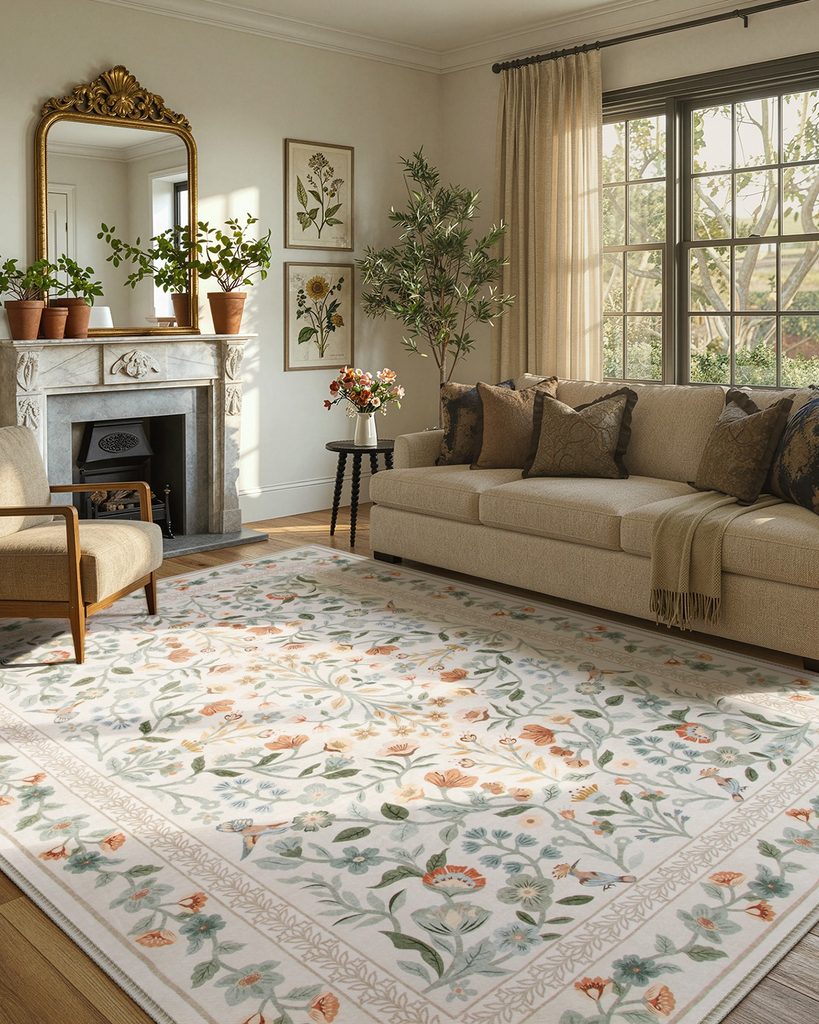
A room does not have to follow one particular design era to look well put together. An old wooden cabinet can sit comfortably beside a modern sofa, just as a contemporary dining table can look more inviting with vintage-style chairs. The interesting part of mixing these elements is the contrast. Older designs bring warmth and character, while modern furniture keeps the space feeling fresh and practical.
The challenge is knowing how much of each style to use. Too many antique-looking accessories can make a room feel dated, while an entirely modern interior may lack the warmth some homeowners want. A thoughtful mix of furniture, rugs, colors, and materials can create a home that feels collected over time rather than decorated around a single theme.
Start With a Mix of Old and New Furniture
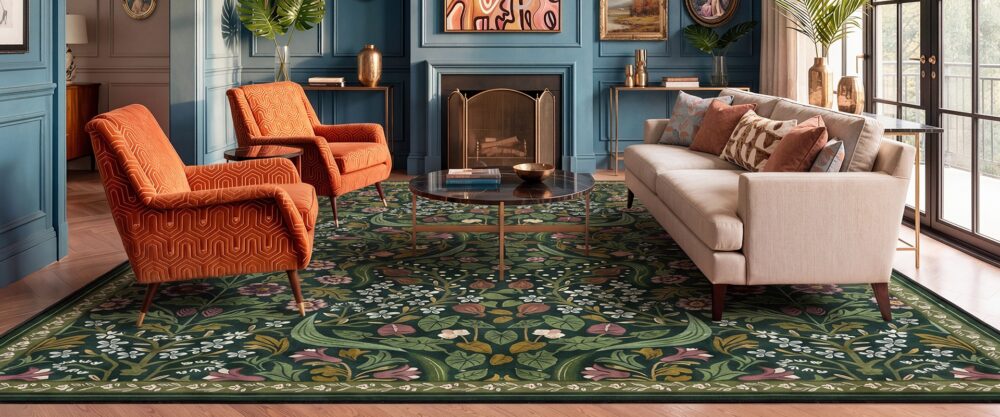
One of the easiest ways to combine vintage-inspired decor with modern home style is to give each piece a clear purpose. You do not need to replace all your furniture or search for matching items from the same period. A few contrasting pieces can give a room much more personality.
For example, a modern living room with a simple, neutral sofa can accommodate a vintage-inspired wooden coffee table or a traditional accent chair. The clean lines of the sofa prevent the older furniture from making the room look too formal. Similarly, a contemporary bedroom can feel warmer with a wooden bedside table, an aged-finish dresser, or a decorative mirror with an antique-style frame.
Lighting also helps connect the two styles. A modern floor lamp can sit beside a traditional armchair, while a pendant light with a slightly aged metal finish can add character above a contemporary dining table. Try to maintain some consistency in the materials or colors so that these pieces feel related.
Accessories should be chosen with the same approach. A few ceramic vases, framed prints, or decorative objects are usually enough. Filling every shelf with vintage-style ornaments can make the room feel more like a themed display than a comfortable living space.
Let Vintage Rugs Add Character to Modern Rooms
Furniture is not the only way to introduce an older design influence. Rugs can bring vintage-inspired patterns into a contemporary room without requiring major changes to the existing decor.
Traditional motifs, faded floral designs, ornamental borders, and distressed finishes can add visual interest beneath modern furniture. For instance, a beige or cream sofa may look a little plain against a neutral floor, but a patterned rug in muted blue, rust, or soft green can give the seating area more depth. The modern furniture keeps the arrangement balanced, while the rug adds detail.
Homeowners can explore different vintage rugs to find patterns that work with their existing furniture and color scheme. Lahome offers vintage-inspired designs that can complement both traditional and contemporary interiors. A softly distressed pattern can look particularly appealing in a modern room because it introduces an aged appearance without making the entire space feel old-fashioned.
Size and placement matter just as much as the pattern. In a living room, choose a rug large enough to sit beneath at least the front legs of the main seating furniture. This creates a connected arrangement instead of making the rug look like a separate decorative object. In smaller rooms, a subtle pattern can add character without competing with the furniture.
Understanding the Cottagecore Look
Cottagecore is another style that works naturally with vintage-inspired decor. It takes inspiration from countryside homes, traditional craftsmanship, natural materials, and relaxed interiors. Rather than relying on expensive antiques or elaborate furniture, the style focuses on creating a comfortable atmosphere through simple decorative details.
Floral prints are one of its most recognizable features. They appear on curtains, cushions, bedding, upholstery, and rugs. Botanical patterns, small-scale flowers, and soft vintage-inspired illustrations can make a room feel warm without requiring a complete redesign.
Natural materials also play an important role. Wooden furniture, woven baskets, linen fabrics, cotton throws, and ceramic accessories all fit comfortably within this look. Slightly worn finishes and handmade-looking details add to the relaxed appearance.
Color choices tend to be soft rather than dramatic. Cream, sage green, dusty rose, pale yellow, muted blue, and warm beige are common options. These shades work well with contemporary furniture, too, particularly when used alongside clean shapes and uncluttered arrangements.
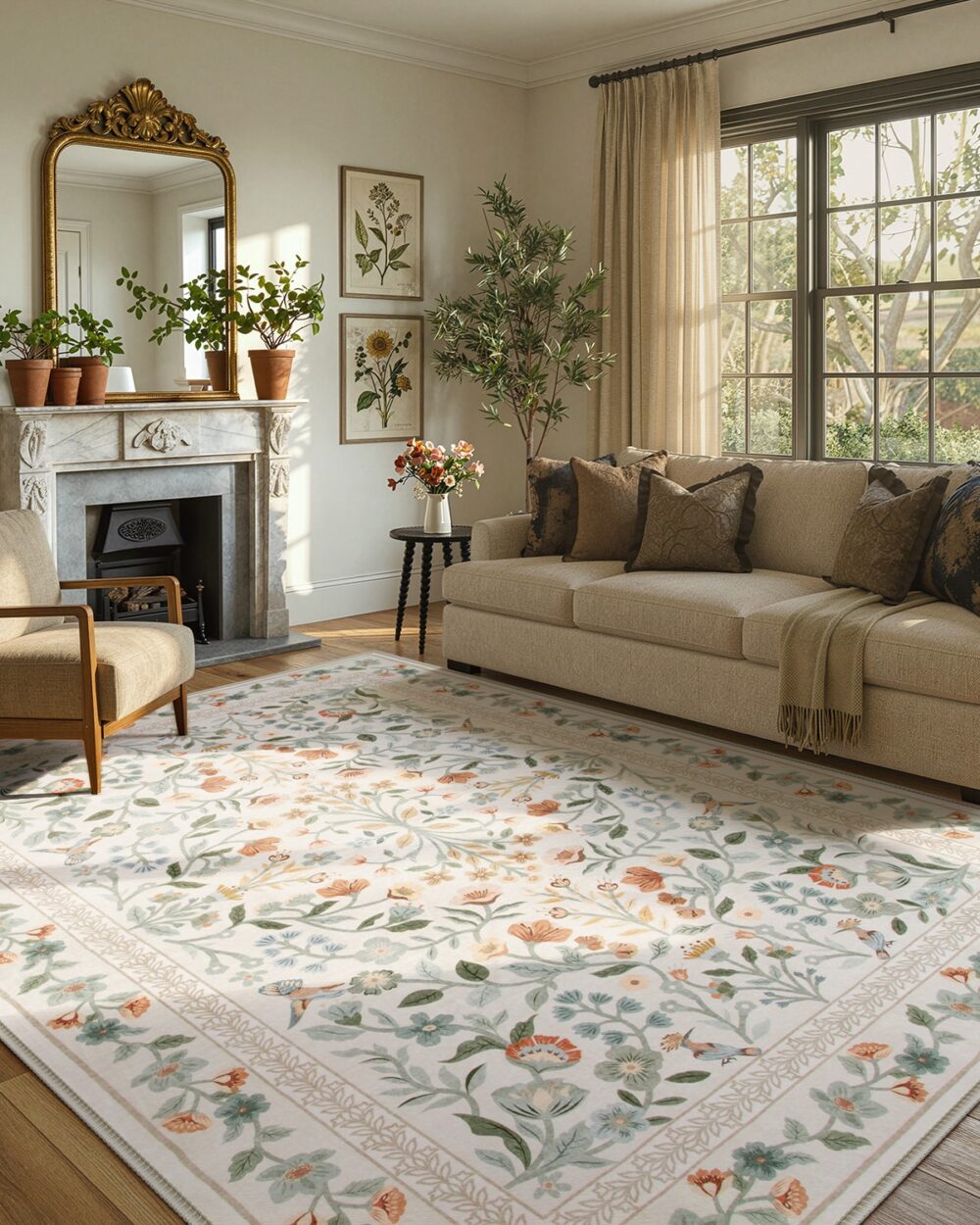
For anyone interested in introducing this aesthetic through floor decor, cottagecore rugs offer floral and decorative patterns that suit relaxed, nature-inspired interiors. Lahome’s cottagecore rug selections provide examples of how traditional-looking designs can fit into bedrooms, living rooms, and other everyday spaces without making the decor feel overly themed.
Balance Colors, Finishes, and Textures
A successful mix of vintage and modern decor usually depends more on the relationship between materials and colors than on the age or style of individual furniture pieces.
Start with a simple color palette. Warm wood tones pair well with cream, olive green, muted terracotta, and soft grey. If your room already has dark wooden furniture, consider balancing it with lighter upholstery or a neutral rug. On the other hand, a room with mostly white or light-colored furniture can benefit from darker wood accents or a patterned rug with deeper shades.
Texture provides another way to make different styles feel connected. A smooth modern sofa can look inviting beside a woven rug, a linen cushion, or a wooden side table with a slightly aged finish. Similarly, polished metal lighting can contrast nicely with natural wood and soft fabrics.
Avoid introducing too many competing finishes. For example, combining heavily distressed furniture, dark patterned wallpaper, ornate accessories, and several bold rugs may make the room feel crowded. If one element already has a strong visual presence, keep the surrounding decor relatively simple.
It also helps to repeat certain details around the room. A wooden frame, a brass lamp base, or a particular shade of green can appear in more than one place. These small connections make an otherwise mixed arrangement feel intentional.
Bringing the Look Into Different Rooms
The balance between vintage and modern decor can change depending on how a room is used. A living room may have more decorative freedom, while a bedroom benefits from softer textures and a quieter color scheme.
Living Room: Keep Modern Seating and Add Traditional Details
A contemporary sofa makes a practical starting point for a mixed-style living room. Choose a neutral design in beige, grey, or cream, then introduce a vintage-inspired coffee table or a wooden sideboard. A patterned rug beneath the seating area can connect these pieces and give the room a more settled appearance.
Keep cushions relatively simple if the rug has a detailed floral or ornamental pattern. You could also add a vintage-style mirror or a ceramic table lamp to introduce another older design element without overcrowding the space.
Bedroom: Use Soft Colors and Natural Materials
Bedrooms often look better with a gentler approach to vintage styling. A modern upholstered bed can be paired with wooden bedside tables, cotton bedding, and a traditional floral rug. Soft green, dusty pink, and warm ivory are useful colors for creating a relaxed atmosphere.
You can also introduce vintage character through smaller details, such as a framed botanical print, a woven storage basket, or a dresser with an aged finish. Keep the main furniture arrangement simple so the room remains comfortable and easy to maintain.
Dining Area: Combine Clean Furniture With Characterful Accents
A contemporary dining table can look interesting with vintage-inspired chairs, particularly if their shapes or finishes differ slightly from the table. Wooden chairs around a simple modern table are an easy combination, while upholstered seating can soften a dining area with metal or glass furniture.
A patterned rug can help define the dining space, especially in an open-plan home. Choose a design that complements the furniture without making the area feel too busy. Also consider practical needs: a low-pile rug is generally easier to move chairs across and clean after everyday spills.
Create a Home That Feels Collected, Not Dated
Vintage-inspired styling works best when it leaves room for modern comfort. You can enjoy traditional patterns, aged wood, floral details, and decorative furniture without turning every corner into a reminder of the past.
Choose a few pieces that bring character, then give them space to stand out. Modern furniture, restrained colors, and carefully selected rugs can keep the overall look balanced. The result is a home that feels personal and welcoming, with older design influences adding interest rather than defining the entire space.