
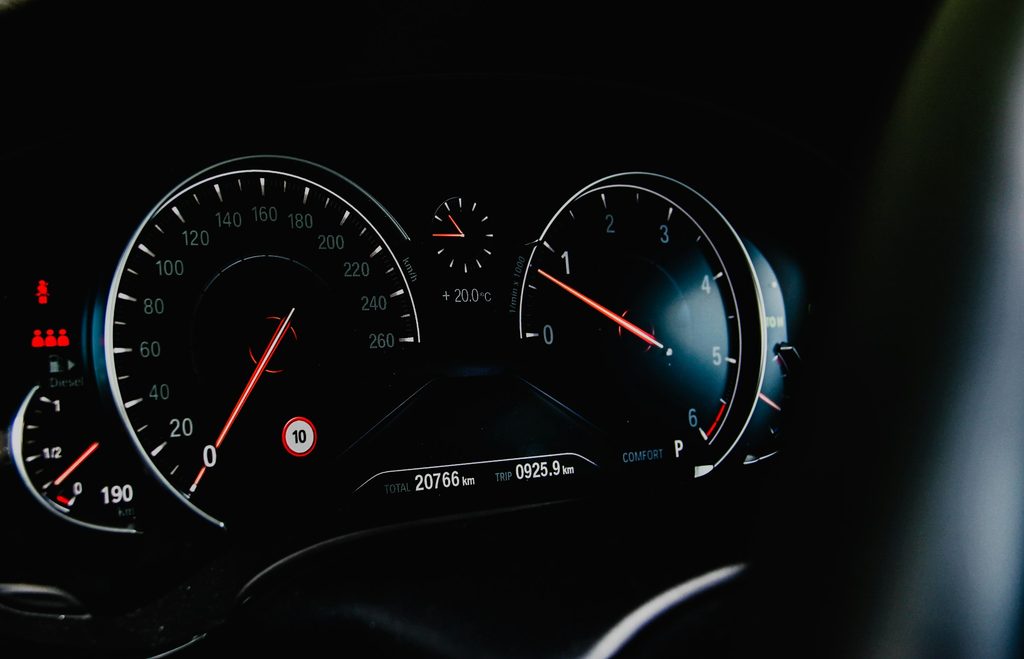
Learning to drive now involves far more technology, planning and online admin than it did a generation ago. The basic skills remain familiar, from controlling the car to reading the road, but learners practise them in vehicles packed with assistance systems while using apps to revise theory and organise lessons. Even arranging private practice can involve temporary cover bought from a phone. For young drivers, this mix of digital convenience and added complexity creates an experience that feels distinctly modern.

Simulators and Digital Theory Prep
Theory preparation once meant working through a printed handbook and attending classroom sessions. Learners can now answer practice questions on the bus, watch hazard-perception clips at home and track which subjects need more revision. Many apps recreate the timing and layout of an official test, making the real appointment feel less unfamiliar.
Digital tools work best when used in short, regular sessions. Twenty minutes of focused practice on road signs or stopping distances will usually prove more useful than a long session when you’re tired. Review every incorrect answer and explain the rule in your own words. That small habit reveals whether you understand the subject or have simply memorised the correct box to tap.
Simulators add another layer. They can introduce mirror routines, junction planning and steering without the pressure of surrounding traffic. Comparisons of simulator and real lessons show why the two formats serve different purposes. A simulator offers repetition in a controlled setting, while time in a car teaches you how road surfaces, visibility and other people’s behaviour affect each decision.
Treat simulation as preparation for practical experience. If you rehearse approaching a roundabout digitally, ask your instructor to focus on the same skill during your next lesson. Linking the two settings turns screen-based practice into something you can apply on the road.
Modern Cars and Complex Driving Tests
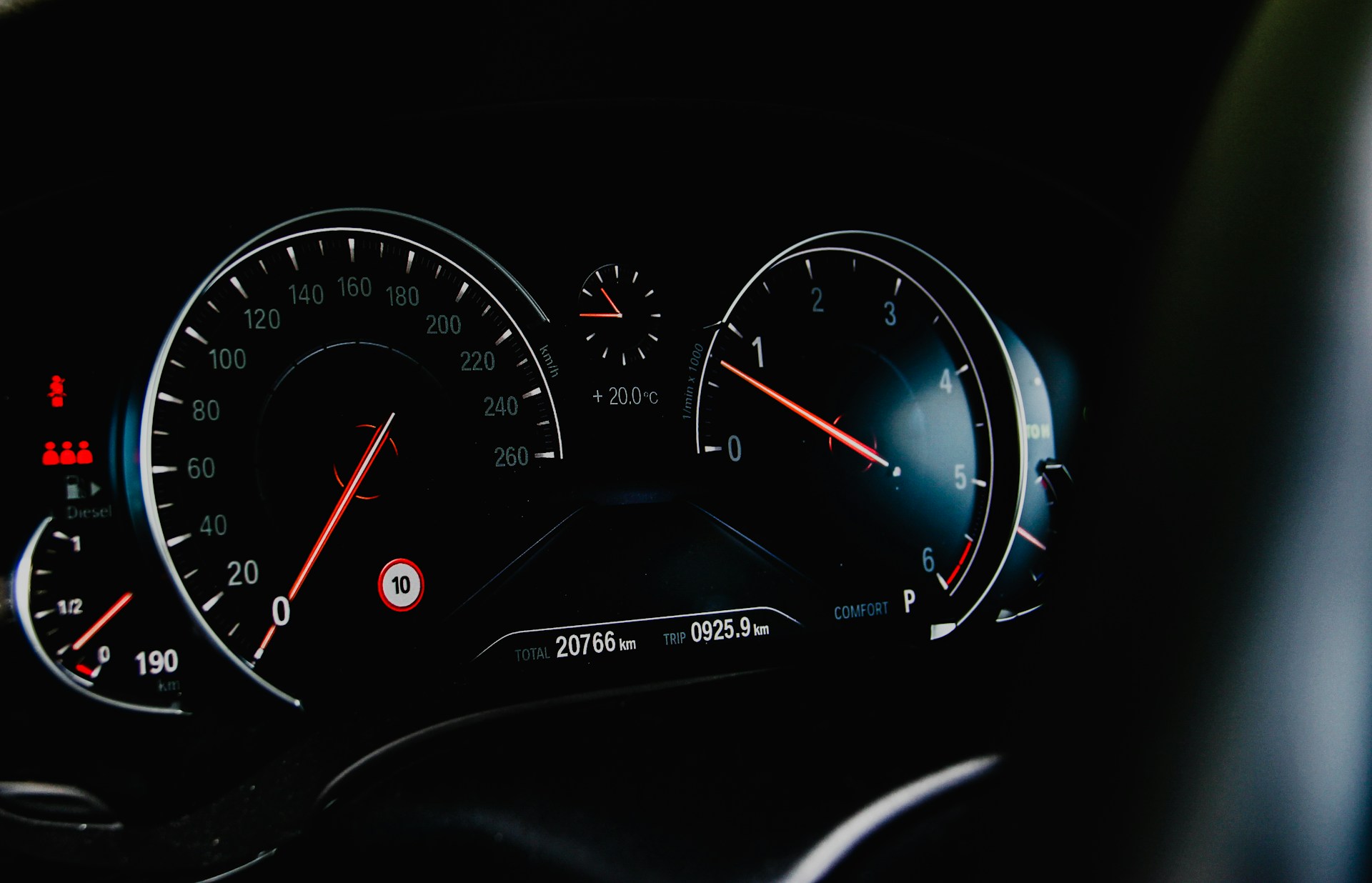
Modern learner cars may include reversing cameras, parking sensors, automatic emergency braking and lane-support systems. These features can reduce risk, but they also give beginners more information to process. You still need to observe properly and understand what the car is doing. A warning light or audible alert supports your judgement without replacing it.
Vehicle technology is also changing what drivers can expect from everyday cars, with some modern models combining comfortable road handling with the ability to tackle rougher terrain. Exploring modern road cars with off-road capabilities offers a useful look at how manufacturers are adapting vehicle design to different driving conditions and lifestyles.
Driving tests have evolved alongside the vehicles. Examiners may assess independent driving, the safe use of satellite navigation and your response to everyday traffic conditions. The challenge comes from combining several skills at once. You might need to follow directions, choose the correct lane, check for people crossing and maintain an appropriate speed within a few seconds. As discussions of why driving lessons feel difficult highlight, observation, vehicle control and sound decision-making all play an important role, although testing requirements vary between countries.
Practise in more than one setting when possible. A quiet residential route helps with junction routines, while a busier town centre develops lane planning and awareness. You should also ask what each dashboard symbol means before setting off in an unfamiliar car.
Private practice brings a separate practical question: insurance. Cover must suit the learner, the vehicle and the period of practice. Marmalade could be an option for young drivers who are comparing specialist policies for different stages of learning and early driving. Read the policy details closely, including who may supervise and when the cover starts and ends.
Finding Flexible Protection for Private Practice
Private practice can help you repeat a skill until it feels natural. An instructor may introduce parallel parking during a lesson, then a parent or another eligible supervisor can help you rehearse the same routine in a suitable place. That extra time supports consistency, particularly when professional lesson slots are limited.
Set one clear aim for each drive. A 35-minute session might focus on moving away smoothly, handling three types of junctions, and parking at the end. Trying to cover every skill at once makes it difficult to spot what improved. Keep a simple note on your phone after the session, recording the roads used, conditions encountered and one point to revisit.
The supervising driver should agree on instructions before the car moves. Different wording can confuse a learner, so use the same terms as the professional instructor wherever possible. Advice on professional driver training explains the value of structured teaching, which private sessions can then reinforce through carefully chosen repetition.
Check the practical details before every session. Confirm that the car is legal to use, that the learner has the required documentation and that suitable insurance is active. Adjust the seat, mirrors and steering position before starting the engine. Phones should be silenced and put away unless one is being used legally for directions in a secure holder.
End the drive before concentration drops. Learners often gain more from a calm, focused session than an extra half-hour completed while tired or frustrated. A brief discussion afterwards can identify one genuine success and one skill for the next lesson.
Personal Mobility in a Connected Era
Passing the test now opens the door to a connected form of personal mobility. Drivers use mapping apps to compare routes, digital parking services to pay for a space and vehicle apps to monitor maintenance reminders. Electric and hybrid cars introduce further changes, including charging plans, regenerative braking and different dashboard displays.
This connectivity can be useful, though it creates fresh distractions. Set your route and audio before moving off. If directions become confusing, continue safely and find an appropriate place to stop instead of adjusting the screen while driving. A missed turn adds a few minutes, while a rushed correction can create a much bigger problem.
New drivers may also encounter telematics, which can record factors such as speed, braking and the time of day a car is used. Think of the information as feedback. Repeated harsh braking, for example, may show that you’re looking too close to the front of the car or making decisions too late. A comparison of cars and simulators illustrates how physical feedback and digital measurement can produce very different experiences.
Connected services also make it easier to combine driving with other forms of transport. You might drive to a station, finish a trip by train and use an app to check parking restrictions before leaving the car. That flexibility matters because personal mobility no longer depends on using one vehicle for every part of a day.
The smartest modern driving habit is surprisingly simple: prepare the technology before you set off, then give the road your full attention. Apps, sensors and digital feedback can all help, but the best drive still begins with a properly adjusted seat, clear mirrors and a driver who’s ready to concentrate.